

Australia welcomes its first EMBL ARISE Fellow at Monash University

Australia’s capabilities in research infrastructure (RI) have received a major boost, with Monash University set to host EMBL Fellows as part of the Career Accelerator for Research Infrastructure Scientists (ARISE) – a flagship European initiative designed to train the next generation of RI leaders. ARISE Fellow Dr Richard Jacoby from the European Molecular Biology Laboratory (EMBL) will […]
Australia at the forefront of tracking our universe in real time

Australia is helping track millions of new asteroids, exploding stars, and other real-time changes in the night sky. The NSF-DOE Vera C. Rubin Observatory, a revolutionary new imaging system located in Chile’s Atacama Desert, has issued its first ~800,000 scientific alerts documenting every visible change it captures with the world’s biggest digital camera. Rubin will […]
Australian technologies on the path to real-world use

The Australian National Fabrication Facility (ANFF) works with small and medium enterprises (SMEs) as they develop new technologies and devices and move them beyond the lab. For many SMEs, this is the stage where ideas become physical, functional and repeatable. Access to the right tools, facilities and hands-on expertise makes the difference between something that […]
The unseen engine

How Australia’s investment in research and infrastructure is forging global quantum leadership Over the past 20 years, Australia has quietly secured a position at the forefront of the quantum revolution. Not only are we building some of the world’s first commercial quantum computers but quantum science is being employed in a new generation of sensors, […]
The Australians helping uncover the blue universe

Australian researchers and engineers are helping design and deliver a new instrument for one of the world’s most productive telescopes. Australian researchers and engineers are helping design and deliver a new instrument for one of the world’s most productive telescopes. The Blue Multi Unit Spectroscopic Explorer (BlueMUSE) is an integral-field spectrograph destined for the European […]
EMBL Australia PhD Course celebrates 10 years of training Australia’s future research leaders

More than 60 PhD students from across the country came together in Adelaide for the 10th EMBL Australia PhD Course – a unique, two-week residential program designed to equip emerging researchers with the skills and confidence needed for modern scientific careers. Co-hosted with the South Australian Immunogenomics Cancer Institute (SAiGENCI), this year’s course focused on future-ready […]
How NCRIS infrastructure helped UQ’s vaccine platform: a billion-dollar success

A landmark deal has placed Australian vaccine innovation on the world stage, with leading healthcare company Sanofi completing the acquisition of Vicebio. Vicebio was formed in 2019 to advance The University of Queensland (UQ)’s Molecular Clamp platform, a novel vaccine technology designed to stabilise viral proteins in their native shape. This approach helps the immune […]
Australia’s climate future: new ACCESS model goes global

Australia’s latest climate model, called ACCESS-ESM1.6, is ready to enter the global stage through the Coupled Model Intercomparison Project (CMIP7), which will inform the next Intergovernmental Panel on Climate Change (IPCC) report. Climate change will shape everything about life in Australia – from the homes we live in and the food we grow to the […]
Updating our taxonomic backbone for accuracy, names matching and better searchability
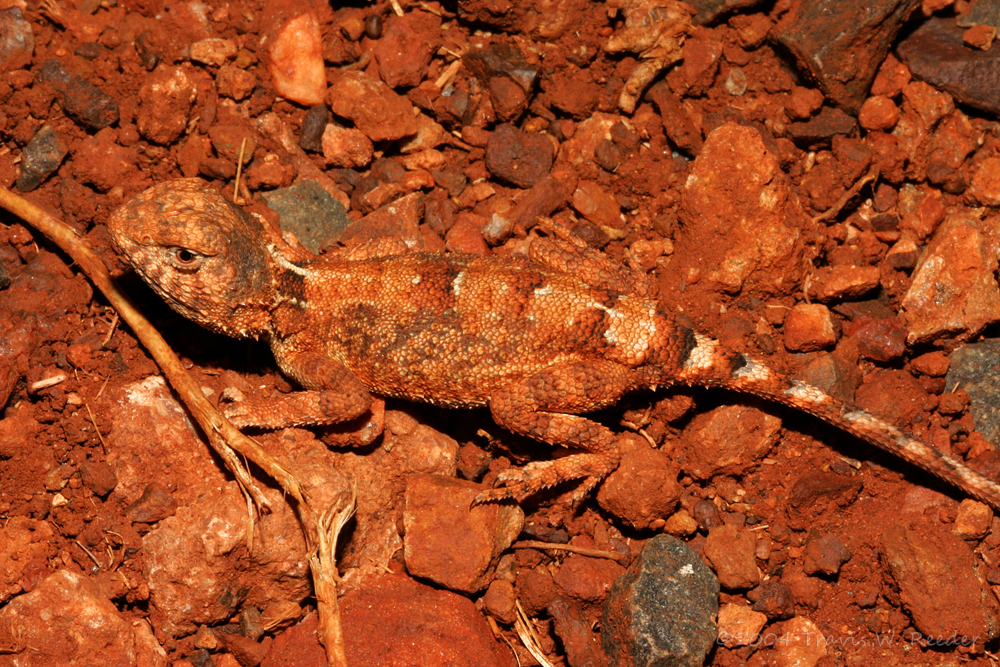
“Your hip bone’s connected to your back bone” goes the old song, but did you know the Atlas of Living Australia (ALA) uses a backbone as well? Ours is taxonomy and we use it to arrange all the names in the ALA. Taxonomy is the science of naming, describing and classifying organisms. It’s the basis […]
Early warning from above! – how Gadi detects vegetation drought stress before it’s visible using a new satellite-based method

Droughts are one of Australia’s biggest natural hazards. They reduce crop yields, threaten livestock, reduce water storage volumes in dams, damage forests, and increase the risk of bushfires. Often, by the time plants show visible signs of stress, such as yellowing leaves and/or thinning canopies, the damage is already done. A team of researchers, led […]
ACCESS models help to unveil the causes of the unprecedented 2023 North Atlantic Ocean heatwave

A paper published recently in Nature using two ACCESS models, has revealed the drivers of a marine heatwave that swept across the North Atlantic Ocean during the summer of 2023, causing severe impacts on climate and ecosystems. “The intensity of the warming in that single summer was equivalent to about two decades worth of warming for the […]
Barcodes uncover early blueprints of our cellular origins

A landmark study by WEHI scientists, including the LoxCode mouse, a sophisticated preclinical model developed by MAGEC, a Phenomics Australia node specialising in in vivo genome engineering and disease modelling, has shed new light on one of the most fundamental mysteries of biology: how cells divide and grow into the complex structures that make up […]
Ten years on the radar: How Australian infrastructure is supporting space agencies around the world

Over ten years ago, a curious network of triangular aluminium structures was erected across the quiet paddocks of Queensland’s Darling Downs region. Scattered amongst grazing livestock, these radar corner reflectors sit idly, without using power, collecting data or transmitting signals. But despite their seemingly simple design, these metal structures play a critical role in Earth […]
Strengthening international research relations and showcasing Australian capability

Driving global collaboration through the Prato 2025 Health Research Infrastructure Symposium The 2025 Australian & European Health Research Infrastructure Symposium, held from 16-18 September at the Monash University Prato Centre in Italy, united leaders from major Australian and European research infrastructures to strengthen international partnerships and tackle shared challenges in health and life sciences. The three-day […]
AuScope in Antarctica: unlocking climate-response secrets hidden beneath the ice

Antarctica holds clues about how our planet is responding to climate change, and what that means for our future. AuScope is helping Australian researchers uncover critical new knowledge, by building and deploying polar-rated instrument sets that can withstand Antarctic extremes, drilling deep beneath the ice to retrieve ancient sediments, and developing software for modelling how […]
Supercomputer simulations reveal novel approaches to enhancing atmospheric water harvesting

Water molecules are everywhere, from the atmosphere around us to the technologies that power our modern world. Yet extracting this moisture from the atmosphere in an efficient way remains a significant challenge. In a major breakthrough using Gadi, researchers have discovered a way to dramatically enhance atmospheric water capture using a smart combination of graphene […]
ACCESS-NRI joins the international Momentum partnership to advance climate and weather prediction

Australia’s climate simulator, ACCESS-NRI is thrilled to announce its participation in the Momentum Partnership, joining an international collaboration that develops world-leading modelling frameworks for weather and climate science. The Momentum Partnership includes access to the UK Met Office’s Unified Model (UM Model), which is the atmosphere component of the ACCESS framework. ACCESS-NRI’s partner collaborators, CSIRO and the […]
NIF helped provide the evidence that led to the approval of Australia’s first dementia treatment

MRI and PET imaging provided essential evidence that supported the approval of donanemab. Challenge Dementia is a major health challenge in Australia, currently affecting nearly half a million people and ranking as the nation’s second-leading cause of death. This number is expected to double by 2058. Donanemab is a new disease-modifying therapy that uses monoclonal […]
NIF Node Director leads WHO resolution to improve global imaging access

Increasing imaging capacity will reduce the rising burden of premature deaths from cancer and other diseases. Challenge Each year, about 17 million people die prematurely from cancer and other non-communicable diseases – and this burden is increasing. Imaging plays a critical role in early cancer detection and more effective treatments. Better access to imaging will […]
Seeing the details through the lens of a regional model: enabling researchers to understand weather extremes

In short: Australia’s climate simulator (ACCESS-NRI) has released a fully supported version of a regional model that enables researchers to understand extreme weather events like hurricanes, floods and droughts, which are not captured by the wide-angle lens of global climate models. ACCESS-rAM3 regional model 6-hour simulation of cloud water and cloud ice of a thunderstorm […]
Preparing Australia for lumpy skin disease

Scientists at CSIRO’s Australian Centre for Disease Preparedness (ACDP) are working with government agencies and industry to prepare Australia for lumpy skin disease. What is lumpy skin disease? Lumpy skin disease is a highly infectious disease of cattle and water buffalo caused by a capripox virus. It does not occur in Australia and it does […]
World’s largest longitudinal muscle MRI study set to benefit children with cerebral palsy

The completed MUGgLE study has produced vital data on muscle growth patterns and muscle under-development in children with cerebral palsy. Challenge Cerebral palsy, the most common physical disability in children, affects ~34,000 Australians. It impacts movement and posture, often leading to muscle weakness and stiffening. Previous studies have typically only examined muscle groups collectively – […]
MAB: advancing bioimaging through collaboration and innovation

EMBL Australia Group Leader Dr Senthil Arumugam, along with Dr Toby Bell and Dr Kate McArthur, recently launched the Monash BDI Advanced Bioimaging (MAB) platform – a researcher-led, global collaboration hub designed to bring innovative microscopy technologies directly to the researchers who need them. From light-sheet imaging to custom-built microscopes and large-scale data visualisation, MAB integrates experimental […]
Supercomputing powers the fight to accelerate phage therapies against antibiotic-resistant infections

NCI, Pawsey, and ARDC help researchers rapidly identify therapeutic phages from metagenomic data through the powerful new Sphae toolkit. Flowchart of Sphae’s modular process for predicting suitable phages for antimicrobial therapy. Antibiotic resistance is one of the most pressing global health threats of our time, prompting scientists to urgently explore alternative ways to combat deadly […]
Supercharging Australian climate science: Australia’s Earth system model gets revamped for a clearer view of our future and past climate.

In short: Australia’s climate simulator (ACCESS-NRI) upgraded the ACCESS Earth system model to make it easier to use, ensuring reliable results and tailoring the code to the researcher needs. This sophisticated model provides a virtual laboratory for exploring Earth’s complex systems and has been widely used by the Australian climate research community, contributing to our understanding […]
Research Impact: Geospatial Factors Applied to Road Accidents

Road accidents are a major source of trauma worldwide. Over 1.3 million people are killed in road accidents annually, and collisions are a leading cause of death and injury across all age groups. Aside from the human cost of road accidents, there is a significant financial toll. The US Centre for Disease Control and Prevention […]
Binar CubeSats pioneer radiation detection technology

CubeSats – small satellites roughly 10cm in size – punch above their weight when it comes to space research. Their low weight and affordable components make space research cheaper and more accessible, and they are especially popular for Australian research institutions. The Binar Space Program, based at Western Australia’s Curtin University, specialises in CubeSats running […]
Powerful software reveals brain superhighway ‘tracts’ for surgery and research
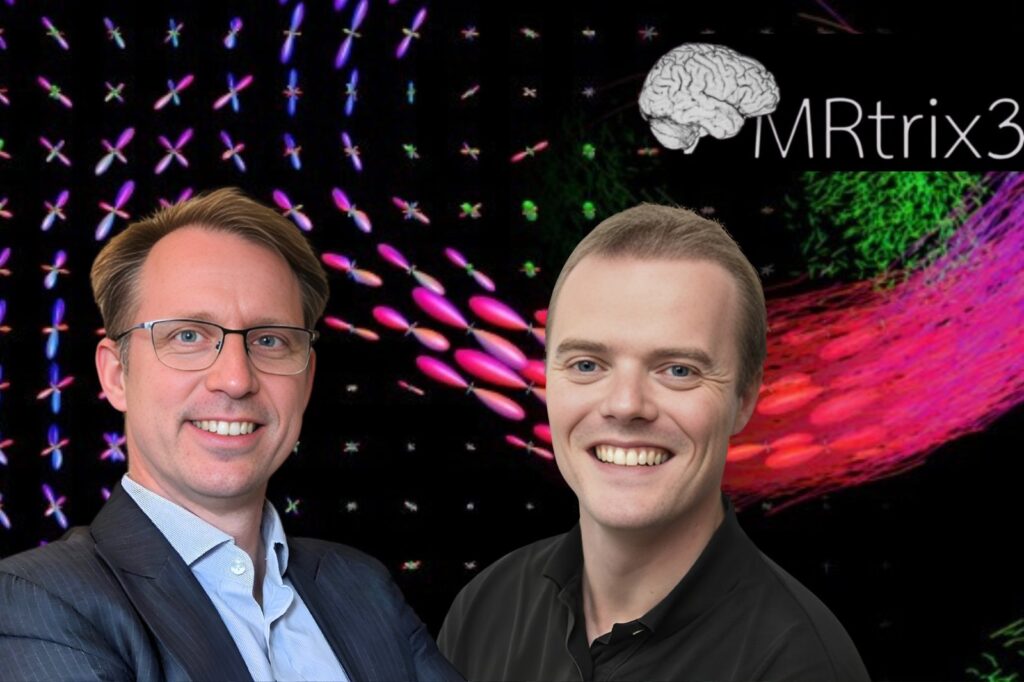
Our brains work a bit like highly advanced supercomputers, with bundles of white matter, known as ‘tracts,’ acting as superhighways that facilitate information flow and enable various brain functions. Injuries and disturbances in these tracts are linked to numerous neurological and psychiatric disorders. However, imaging these white matter tracts is challenging. These tracts are made […]
Unlocking the power of Australia’s Tier 1 supercomputer
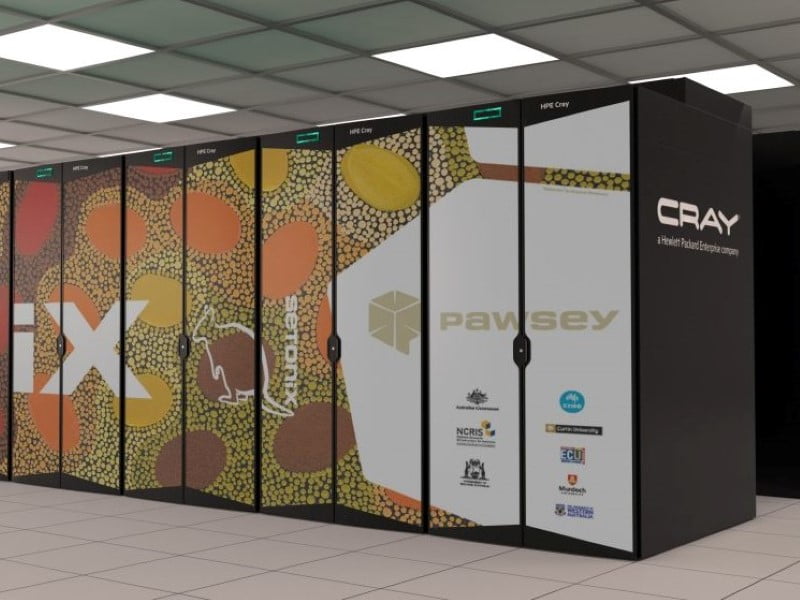
Through a national framework for trusted identity, accessing one of Australia’s Tier 1 supercomputers will become easier. The Pawsey Supercomputing Research Centre (Pawsey) is one of two Tier-1 high-performance computing facilities in Australia. Its primary function is to accelerate scientific research for the benefit of the nation. Pawsey’s service and expertise in supercomputing, data, cloud […]
Liquid lenses for better satellite monitoring

Heavy Ion Accelerator Facility’s Space Irradiation Beamline (HIAF-SIBL), hosted at the Australian National University, has played a vital role in an exciting first for the Australian space industry: the first time that Australian space radiation testing has been done on an Australian space payload. The occasion? Testing innovative liquid lenses that enable a satellite to […]
Partnering for impact with Australian industry
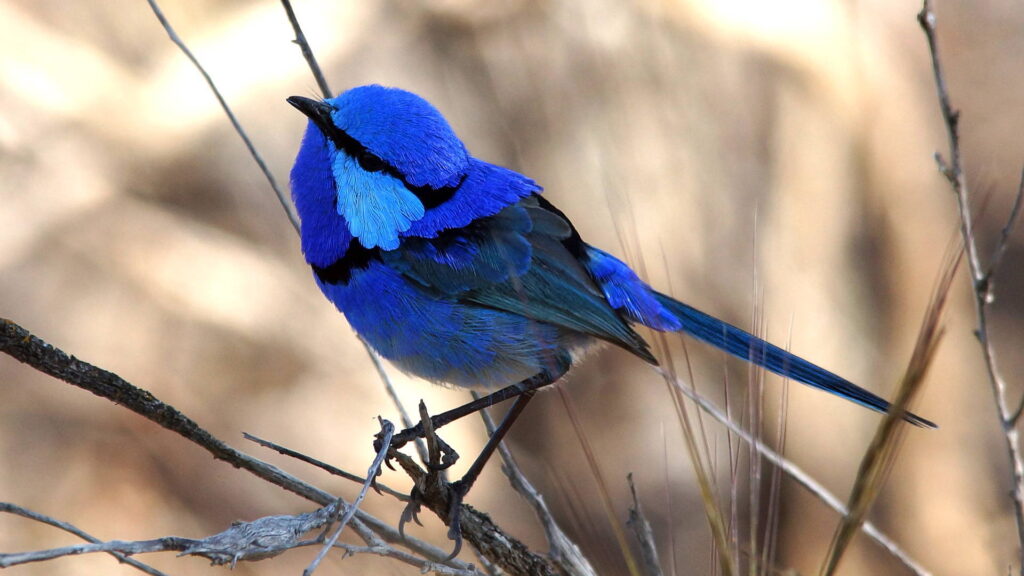
Supporting industry with data access The Atlas of Living Australia (ALA) is Australia’s national biodiversity data infrastructure. It allows industry, researchers, decision-makers and the community to contribute, access and analyse data on Australia’s plants, animals and fungi. The ALA is partnering with industry to leverage the power of biodiversity data and infrastructure to support business […]
Data Without Borders: the role of Globus in international genome research
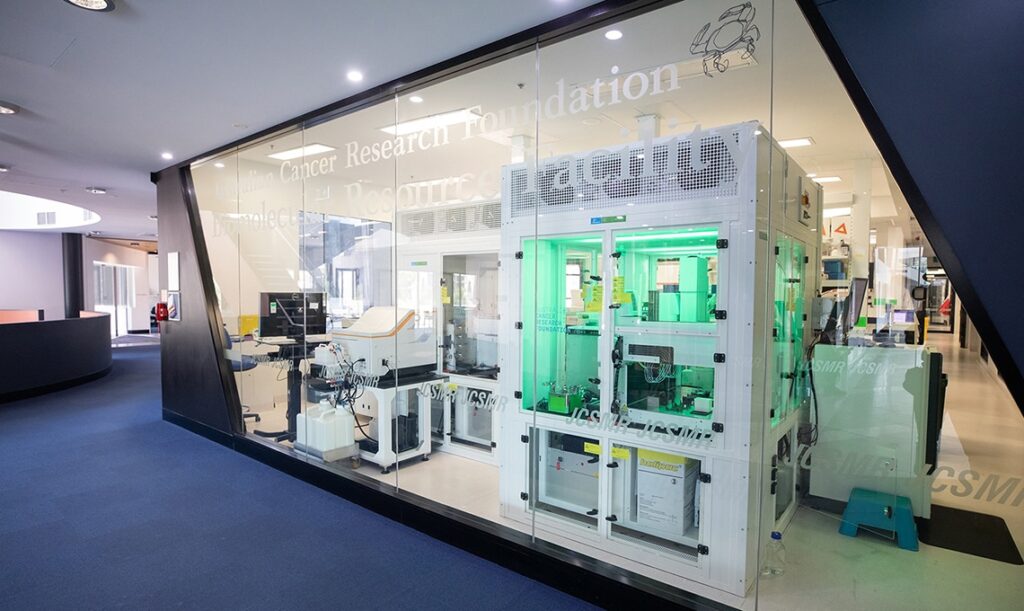
Genetics technical specialists at the Biomolecular Resource Facility are using the Globus data movement service through AARNet to share huge datasets with national and international collaborators. The Biomolecular Resource Facility (BRF) is located in Canberra within the John Curtin School of Medical Research at the Australian National University (ANU). As a core laboratory providing research […]
Future-proofing computational proteomics
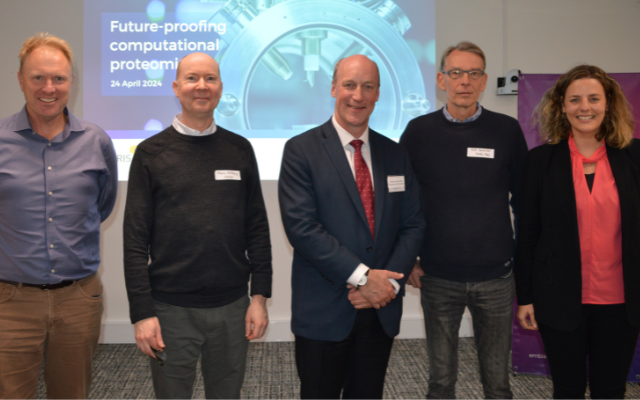
EMBL Australia and Bioplatforms Australia joined forces to host a pivotal proteomics workshop titled ‘Future-proofing Computational Proteomics’ on 24 April, featuring leading guest speakers, Dr Rolf Apweiler, Prof Marc Wilkins and Dr Richard Lipscombe. The Australian proteomics community discussed advancements in proteomics research and the pivotal role of computational approaches in shaping the future of […]
Implanting a Revolution

Quantum computing is a revolution in progress, and Dr Shao Qi Lim is excited to be part of it. “I’m lucky to be part of this revolutionary field,” says Dr Lim, a postdoctoral fellow in the ARC Centre of Excellence for Quantum Computation and Communication Technology (CQC2T) based within the Experimental Condensed Matter Physics (ECMP) […]
Strengthening our European connections to EMBL and beyond

On a recent visit to EMBL Heidelberg, Ian Smith, Chair of the EMBL Australia Council, spoke about the synergies between EMBL and EMBL Australia, opportunities for collaboration and ideas for exciting future programs. Ian Smith, Chair of the EMBL Australia Council, chatted to EMBL about the synergies between the organisations, opportunities for collaboration, and ideas […]
Integrated Earth 2023 conference highlights the ambition of Australia’s Earth science community

Members of the earth science community from all over Australia came to Canberra in September to take part in a unique gathering – the Integrated Earth 2023 conference. Supported by the Australian Academy of Science as an Elizabeth and Frederick White Conference, Integrated Earth brought together researchers from the five broad spheres of Earth science: […]
Record-breaking fast radio burst discovery highlights synergies between ESO and SKA

A global team led by Macquarie University’s Dr Stuart Ryder and Swinburne University of Technology’s Associate Professor Ryan Shannon have discovered the most distant fast radio burst ever detected, and one of the most energetic. The team determined its location and distance from Earth by using a combination of the world’s best optical and radio […]
Associate Professor Lee Spitler – AAO and Advanced Navigation, Moon to Mars Initiative

Associate Professor Lee Spitler – AAO and Advanced Navigation, Moon to Mars Initiative As part of a Moon to Mars Initiative, Australian Astronomical Optics (AAO) at Macquarie University will build a new optical multi-beam laser collimator that will land on the moon. The project is part of a collaboration between AAO and lead partner, Advanced Navigation, […]
Scientists discover 36-million-year geological cycle that drives biodiversity

Tectonic changes alter sea levels that can create breeding grounds for life Movement in the Earth’s tectonic plates indirectly triggers bursts of biodiversity in 36-million-year cycles by forcing sea levels to rise and fall, new research has shown. Dinosaur Stampede exhibit at Dinosaur Canyon, located in Queensland’s Winton Formation which was formed during the Cretaceous […]
ADACS gives astronomers a vital boost in their effort to make a gravitational map of the southern universe
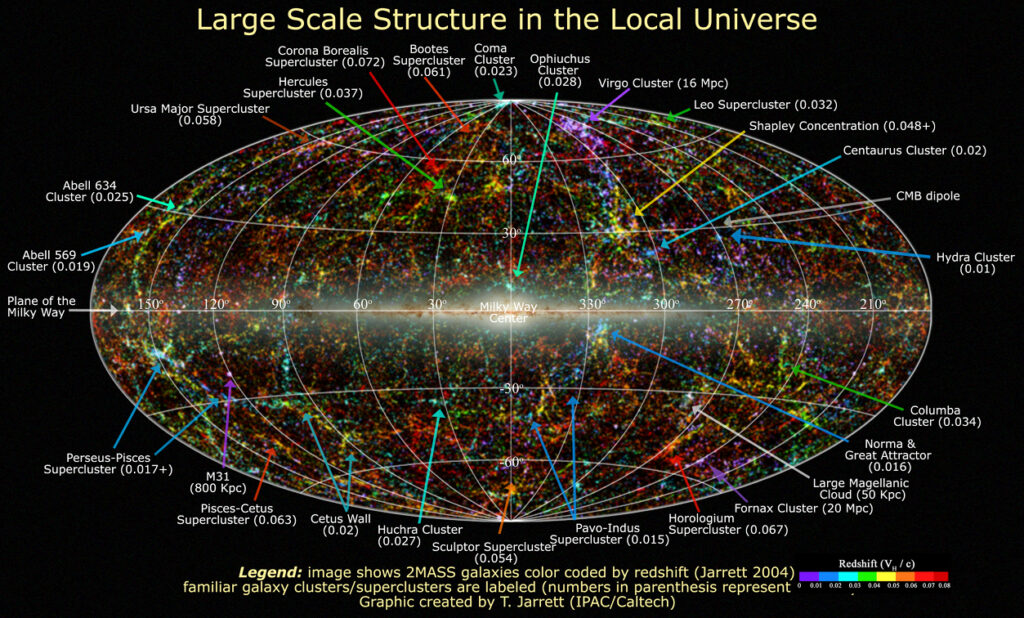
In the era of big data, Australian astronomers have a powerful strategic advantage to help them extract insights from the immense data volumes that characterise modern astronomy. Astronomy Data and Computing Services (ADACS) – delivered jointly by Swinburne University of Technology and Curtin University – was established by AAL in 2017 to remove the computational […]
Biobanks: the Australian Phenome Bank

The Australian Phenome Bank: a national biobank and database aiding the discovery of genetic disease causes and advancing Personalised Medicine. Phenomics Australia’s Biobanking service provides a database and cryobank of mouse sperm and embryos essential for discovering and distributing disease models in Australia. The challenge: Ensuring the ongoing availability of mouse strains preserving the investment made in […]
Shared Vocabularies Create Oceans of Opportunities

Research vocabularies are helping researchers aggregate data from a wide range of sources and disciplines to find evidence-based solutions to big societal challenges such as climate change. In 2021, an analysis of sea temperature data collected from the Southern Ocean over 25 years revealed disturbing evidence that the potential for Antarctic ice-sheet melting has been […]
Carpentries Partnership for Australia to Uplift Digital Research Skills

A new partnership between 10 Australian research institutions will train instructors in The Carpentries, a proven method for teaching digital research skills to researchers. We are pleased to announce a new partnership between 10 Australian research institutions to train instructors in The Carpentries digital research skills. The partnership will be announced today at the ARDC Digital […]
Launching DReSA: A Portal for Digital Research Training in Australasia
DReSA is a portal for discovering digital research training events, materials, providers and trainers in Australia, New Zealand, and the region. We are excited to announce the launch of Digital Research Skills Australasia (DReSA), a portal for discovering digital research training events, materials, providers and trainers in Australia, New Zealand, and the region. The portal launched […]
From rocks to Cochlear, swords and sunscreen

Our spectrometry wizards at Macquarie University’s MQ GeoAnalytical laboratory (MQGA) are at it again, innovatively applying their new age-dating technique to novel science challenges outside of the geology domain. From detecting trace elements in cochlear implants in Australia to tracing the provenance of Iron Age sword fragments from Dubai, this newly NCRIS enabled geo-analytical technique […]
WearOptimo create real-time, Microwearable health sensors

WearOptimo have used Microscopy Australia’s facilities to develop a world-first, wearable, real-time health sensor, which is now in clinical trials. WearOptimo aims to provide affordable, wearable technology to revolutionise monitoring of biomarkers, which act as an early warning sign of disease. Initially, their sticker like device will provide real time monitoring of hydration and of heart […]
Mysterious Lithium-Producing Stars Analysed on Nectar
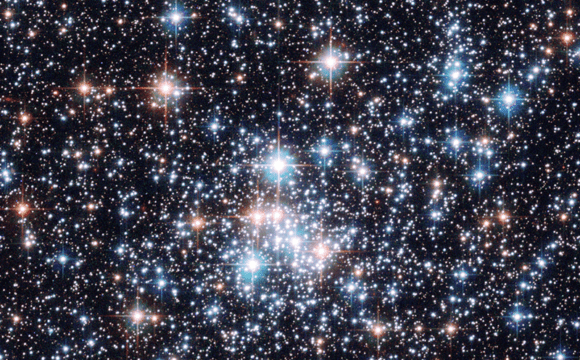
Dr Simon Campbell, ARC Future Fellow at Monash University, is unravelling the origin of the elements in the universe, one ARDC Nectar Research Cloud processor at a time. Here on Earth, Lithium is used in electric cars, giant solar-storage batteries, medicine, mobile phone batteries and heat resistant glass, but little is known about how the […]
Uncovering a rare autoinflammatory disease

Phenomics Australia has enabled an international research consortium to identify the genetic cause of a previously undiagnosed autoinflammatory disease (CRIA Syndrome). The challenge: effective CRIA Syndrome treatment is limited. Humans suffering from this rare condition present a series of painful symptoms of unknown cause, including periodic fevers and swollen lymph nodes, recurring from early childhood […]
A wonder material made from waste

In February 2020, Clean Earth Technologies (CET) signed an agreement with Flinders University to produce commercial quantities of an environmental wonder material. Developed by Prof. Justin Chalker and his team at Flinders University, this novel polymer — made exclusively from waste materials — is capable of pulling oil from the oceans and contaminants like mercury […]
Developing Personalised Treatment for Kids With Cancer

CAVATICA is a cloud-based platform for collaboratively accessing, sharing, and analysing childhood cancer data. Childhood cancer kills more children than any other disease in Australia and tragically, every week three children and adolescents in Australia currently die because of cancer. Every child is different, every cancer is unique, and so treatment has to be tailored for […]
Observing the Universe With the MWA

The ARDC-supported All Sky Virtual Observatory (ASVO) serves as a data portal to distribute MWA data to the international astronomical community. Operational in Western Australia since 2013, the Murchison Widefield Array (MWA) is now in its second phase, with double the number of antennas and ten times the resolution. A total of 4,096 antennas now […]
Better cholesterol imaging

An international team of researchers has developed a new way to localise cholesterol is in cells and tissues. This provides insights into how cholesterol moves in and out of cells and could eventually lead to new therapies for cardiovascular disease. Deuterated cholesterol enabled by the National Deuteration Facility and NanoSIMS (nano-Secondary Ion Mass Spectroscopy) at […]