

Forecasting ocean currents reduce environmental impact and cost of global shipping

Each day more than 50,000 cargo ships travel the world’s oceans, carrying about 90% of all goods traded worldwide. Global shipping is an enormous industry and responsible for 3% of the world’s greenhouse gas emissions. If the shipping industry were a country, it would rank as the sixth-largest emitter of greenhouse gases.CSIRO research vessel (RV) […]
A nasal spray to protect against COVID-19 and future respiratory viruses

Researchers at the Kirby Institute at UNSW Sydney are developing a new antiviral approach that could help protect against COVID-19 and potentially other respiratory viruses. The work, led by A/Prof Chantelle Ahlenstiel, explores the use of short interfering RNA (siRNA) therapeutics delivered through an intranasal spray. Unlike vaccines that train the immune system to recognise […]
Bioplatforms-supported startups recognised in NSW Emerging Technology Commercialisation Fund

Three startups supported by Bioplatforms Australia have been announced as recipients of the NSW Government’s Emerging Technology Commercialisation Fund, recognising the strength of Australia’s deep-tech pipeline and the role of national research infrastructure in translating discovery into real-world impact. The successful companies are Number 8 Bio, Platypus Bio and HydGene Renewables. Each is developing technologies […]
Australia at the forefront of tracking our universe in real time

Australia is helping track millions of new asteroids, exploding stars, and other real-time changes in the night sky. The NSF-DOE Vera C. Rubin Observatory, a revolutionary new imaging system located in Chile’s Atacama Desert, has issued its first ~800,000 scientific alerts documenting every visible change it captures with the world’s biggest digital camera. Rubin will […]
Australian technologies on the path to real-world use

The Australian National Fabrication Facility (ANFF) works with small and medium enterprises (SMEs) as they develop new technologies and devices and move them beyond the lab. For many SMEs, this is the stage where ideas become physical, functional and repeatable. Access to the right tools, facilities and hands-on expertise makes the difference between something that […]
The unseen engine

How Australia’s investment in research and infrastructure is forging global quantum leadership Over the past 20 years, Australia has quietly secured a position at the forefront of the quantum revolution. Not only are we building some of the world’s first commercial quantum computers but quantum science is being employed in a new generation of sensors, […]
Clarity on climate change: NCI supports localised Australian climate simulations

Australia’s ability to understand and plan for climate risk depends on access to high-quality climate models, high-performance computing to run the models, and the effectiveness of the infrastructure that connects them. Dr Chermelle Engel at the ACCESS Community Workshop 2024. In a recent advancement, Australia’s climate simulator (ACCESS-NRI) released an adapted regional model, ACCESS-rAM3, to […]
The Australians helping uncover the blue universe

Australian researchers and engineers are helping design and deliver a new instrument for one of the world’s most productive telescopes. Australian researchers and engineers are helping design and deliver a new instrument for one of the world’s most productive telescopes. The Blue Multi Unit Spectroscopic Explorer (BlueMUSE) is an integral-field spectrograph destined for the European […]
Urban greening for health

On average, someone is hospitalised for a heart attack every 9 minutes, according to the National Heart Foundation of Australia. And the toll on taxpayers runs into billions each year. Reduced cardiovascular disease Few studies have explored whether health benefits from urban greening translate into reduced healthcare expenditure. Study co-lead Professor Xiaoqi Feng from the University […]
Research Impact: AURIN data and infrastructure shaping a more sustainable urban future

Densifying the great Australian dream Owning a home is the great Australian dream. But as Australia’s population continues to grow, understanding how to plan and deliver housing is more important than ever. Urban planning therefore plays a critical role in government and industry decision-making, shaping where and how people live. Emeritus Professor Peter Newton has […]
Listening to the ancient world beneath our feet to support critical mineral discovery

At the border of South Australia and New South Wales lies the Curnamona Province, a region that holds an untold story about Earth’s evolution over billions of years. By using NCRIS-enabled infrastructure, researchers are building a detailed 3D model of the Province, known as the ‘Curnamona Cube.’ The Cube reveals the hidden geological history of […]
Research impact: understanding bikeability to shape healthier, more connected cities.

Across Australia, cities are looking for safer, easier ways to support cycling. ‘Bikeability’ describes how well an area supports cycling through its infrastructure, safety, environment and access to everyday destinations. But understanding what actually makes an area ‘bikeable’ is not straightforward. Until now, studies have used different definitions, indicators, and modelling approaches to explore bikeability, […]
Early warning from above! – how Gadi detects vegetation drought stress before it’s visible using a new satellite-based method

Droughts are one of Australia’s biggest natural hazards. They reduce crop yields, threaten livestock, reduce water storage volumes in dams, damage forests, and increase the risk of bushfires. Often, by the time plants show visible signs of stress, such as yellowing leaves and/or thinning canopies, the damage is already done. A team of researchers, led […]
ACCESS models help to unveil the causes of the unprecedented 2023 North Atlantic Ocean heatwave

A paper published recently in Nature using two ACCESS models, has revealed the drivers of a marine heatwave that swept across the North Atlantic Ocean during the summer of 2023, causing severe impacts on climate and ecosystems. “The intensity of the warming in that single summer was equivalent to about two decades worth of warming for the […]
New season of turtle tracking helping to understand the sub-surface waters of Northern Australia

IMOS is providing valuable oceanographic measurements in this poorly sampled region whilst simultaneously delivering information about turtle behaviour and movements by attaching satellite tags to turtles. On a recent field trip satellite tags were attached to 20 olive ridley turtles during the nesting season at Imalu Beach on Melville Island, which is in the Tiwi […]
Advancing early melanoma detection: Phenomics Australia & ACEMID collaboration

Phenomics Australia’s Histopathology & Slide Scanning Node is working with the Australian Centre of Excellence in Melanoma Imaging & Diagnosis (ACEMID) Pathology team to drive new advances in the early detection and diagnosis of melanoma. Every year, more than 18,000 Australians are diagnosed with melanoma. According to ACEMID Project Leader Professor H. Peter Soyer (The University of Queensland), identifying […]
Supercomputer simulations reveal novel approaches to enhancing atmospheric water harvesting

Water molecules are everywhere, from the atmosphere around us to the technologies that power our modern world. Yet extracting this moisture from the atmosphere in an efficient way remains a significant challenge. In a major breakthrough using Gadi, researchers have discovered a way to dramatically enhance atmospheric water capture using a smart combination of graphene […]
Better connecting people who power Australia’s innovation

A new national platform, ARDC Research Link Australia (RLA), is helping connect researchers, industry and government by making expertise and collaboration information easier to find and use. A recent pilot project with RLA shows how verified, accessible insights into Australian researchers’ capability can drive partnerships, innovation and productivity across the nation. Connecting People, Capability and […]
Safer and more accurate scans for pregnant women and children

The NIF-supported Australian National Total Body PET Facility creates benefits for both research translation and patient care. Challenge Exposure to ionising radiation is a significant concern for vulnerable patients – particularly pregnant women and children – who may require PET/CT scans for diagnosing or staging cancer, infection, or inflammatory diseases. Traditional methods of reducing radiation […]
Seeing the details through the lens of a regional model: enabling researchers to understand weather extremes

In short: Australia’s climate simulator (ACCESS-NRI) has released a fully supported version of a regional model that enables researchers to understand extreme weather events like hurricanes, floods and droughts, which are not captured by the wide-angle lens of global climate models. ACCESS-rAM3 regional model 6-hour simulation of cloud water and cloud ice of a thunderstorm […]
World’s largest longitudinal muscle MRI study set to benefit children with cerebral palsy

The completed MUGgLE study has produced vital data on muscle growth patterns and muscle under-development in children with cerebral palsy. Challenge Cerebral palsy, the most common physical disability in children, affects ~34,000 Australians. It impacts movement and posture, often leading to muscle weakness and stiffening. Previous studies have typically only examined muscle groups collectively – […]
A software time dial for the paleoclimate community

The ACCESS-NRI team has added a “time dial” into the Earth System Model (EM1.5) that allows paleoclimate researchers to match the right value of Earth’s orbit around the Sun during different past climates. The ACCESS Earth System Model 1.5 (ACCESS-ESM1.5) is used by the paleoclimate community to understand the climate of the Earth from thousands […]
Research Impact: School provision, workforce distribution, housing, and the staffing of schools in Sydney

More children and young people are accessing schooling than at any other point in history. This is largely due to the pursuit of Sustainable Development Goal 4 (SGD4), which aims to “ensure inclusive and equitable quality education and promote lifelong learning opportunities for all.” In tandem with the millennial development goals, this has contributed to […]
Supercharging Australian climate science: Australia’s Earth system model gets revamped for a clearer view of our future and past climate.

In short: Australia’s climate simulator (ACCESS-NRI) upgraded the ACCESS Earth system model to make it easier to use, ensuring reliable results and tailoring the code to the researcher needs. This sophisticated model provides a virtual laboratory for exploring Earth’s complex systems and has been widely used by the Australian climate research community, contributing to our understanding […]
Streamlining remote sensing data transfers for environmental research
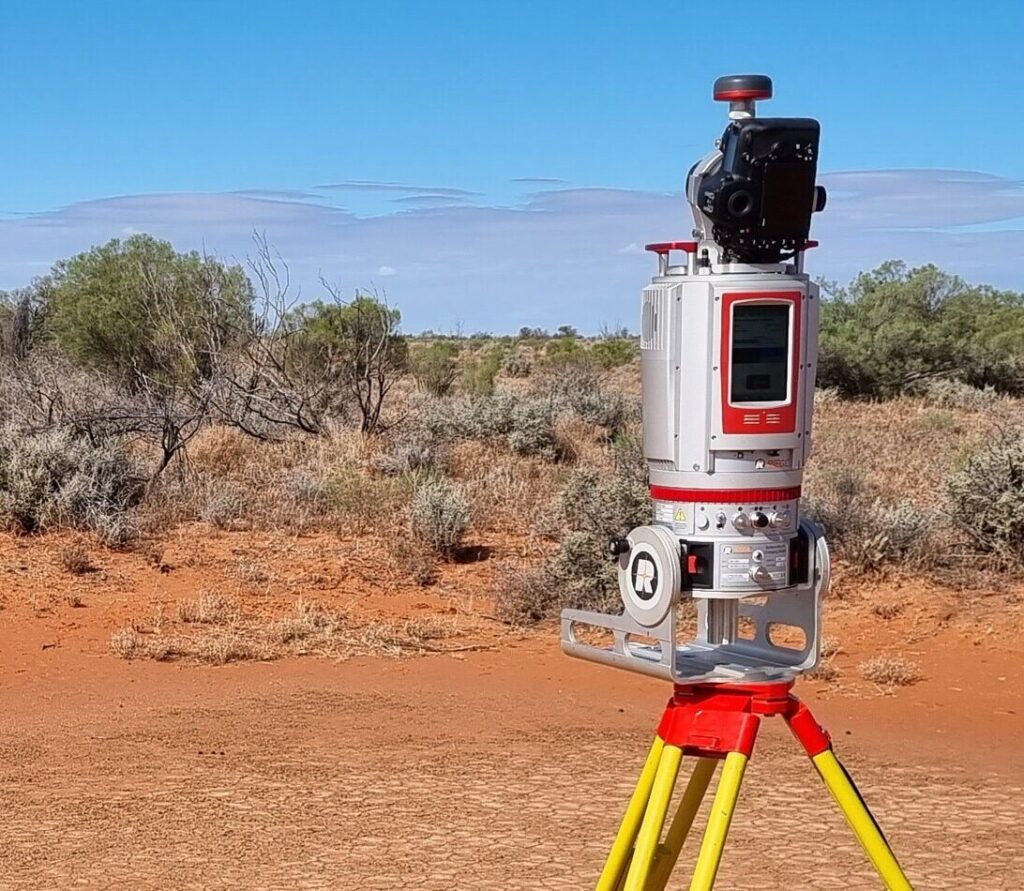
FileSender addresses the challenge of moving large datasets around for researchers participating in the Joint Remote Sensing Research Program. For environmental researchers, the volume of data generated by remote sensing technologies can be massive and challenging to manage. The Joint Remote Sensing Research Program (JRSRP) is a leader in this field, involving experts from academia […]
Making visible the impact of Australia’s national microscopy infrastructure

Through trust and identity, the impact of Australia’s distributed microscopy infrastructure will be revealed. Microscopy Australia is a consortium of university-based microscopy facilities that provides more than 3,500 Australian researchers a year, with access to state-of the-art microscopes. Through access to their facilities, crucial research is enabled in areas such as future energy innovations, improved […]
State support injects big cash for upgrades and new national research infrastructure

National Collaborative Research Infrastructure Strategy (NCRIS)-supported programs have received nearly $30 million in co-investment from the New South Wales and Queensland Governments through the NCRIS Support Program and Research Infrastructure Co-Investment Fund (RICF), respectively. Co-funding arrangements such as the NCRIS Support Program and RICF are another way that NCRIS ensures that spending on research infrastructure […]
Future-proofing computational proteomics
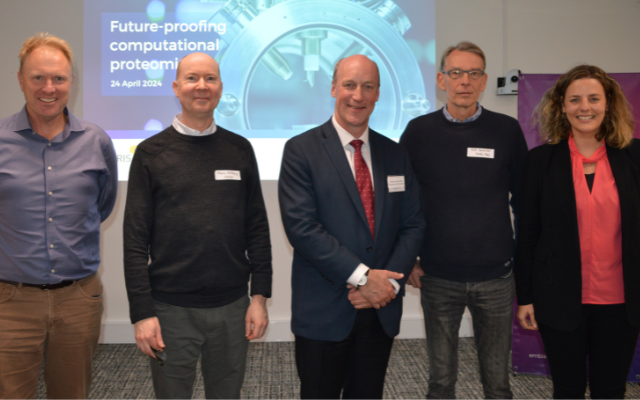
EMBL Australia and Bioplatforms Australia joined forces to host a pivotal proteomics workshop titled ‘Future-proofing Computational Proteomics’ on 24 April, featuring leading guest speakers, Dr Rolf Apweiler, Prof Marc Wilkins and Dr Richard Lipscombe. The Australian proteomics community discussed advancements in proteomics research and the pivotal role of computational approaches in shaping the future of […]
Supporting Australia’s food security and agriculture industry

Over 90% of fruit, vegetables, meat, milk, and eggs sold in Australia are domestically produced, and over half of Australia’s agricultural produce is exported. As an important contributor to the Australian economy, the gross value of Australia’s agricultural food production is forecast at $79 billion for 2023-24, and our agricultural exports are forecast at $65 […]
Enhancing Resilience and Flavor in Plant-Based Proteins: The Plant Protein Atlas Initiative

With the world’s population expected to reach unprecedented levels by 2050 and a 73% projected increase in meat consumption, there is an urgent need to double food production. Australia’s plant protein market is poised to reach an estimated value of $18 billion (AUD) by 2032, while the global plant protein food sector is projected to […]
New native mice species

Two new native mice have scurried into the list of Australian mammal species! The words “species” and “Australia” are unfortunately traditionally linked to their disappearance from our continent’s highly biodiverse ecosystem. Following from last year’s discovery of a very much alive mouse species which was previously thought to be extinct in the wild, researchers have […]
Implanting a Revolution

Quantum computing is a revolution in progress, and Dr Shao Qi Lim is excited to be part of it. “I’m lucky to be part of this revolutionary field,” says Dr Lim, a postdoctoral fellow in the ARC Centre of Excellence for Quantum Computation and Communication Technology (CQC2T) based within the Experimental Condensed Matter Physics (ECMP) […]
Brain research supercharged by new ‘control panel’ accessible worldwide
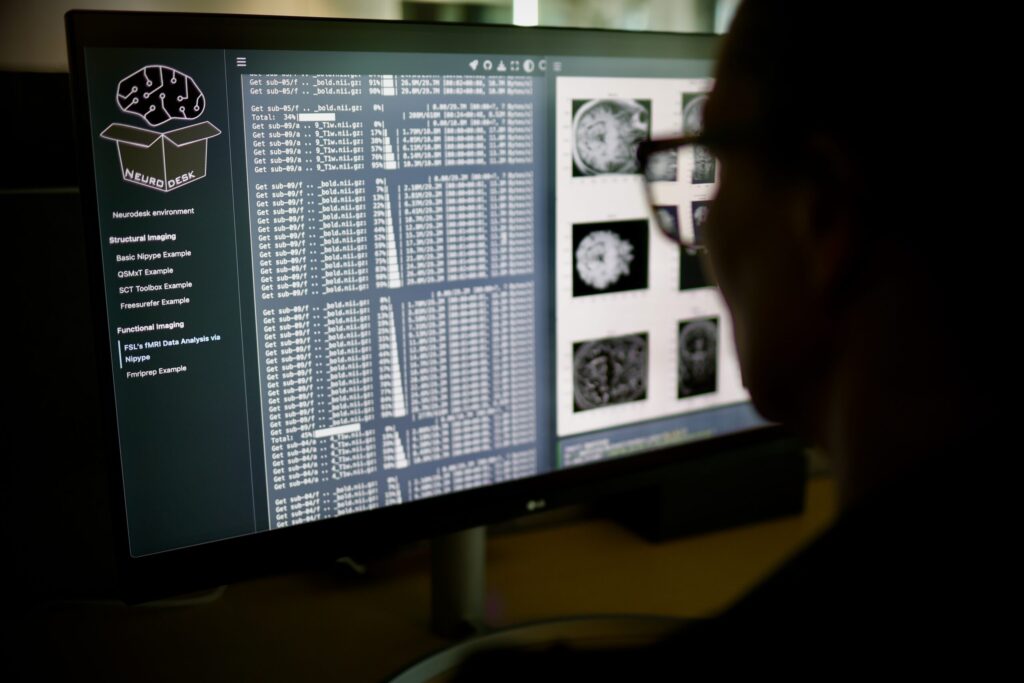
The flood of data from brain research worldwide has now been channelled into an easy-to-use, open-access processing tool built to supercharge our understanding of the human brain. Neurodesk – a platform for processing, analysing and sharing massive datasets – has solved critical issues in the search for answers about brain disorders and diseases such as epilepsy, […]
Data sharing platform to transform Ag industry

AgReFed helps researchers and industry professionals find and analyse trusted, reusable agricultural data from across Australia. An ARDC-supported national partnership is helping to advance the country’s agricultural sector through innovative application of digital technology. The Agricultural Research Federation (AgReFed) is an Australian platform that aims to improve the discoverability of trusted, reusable, and analysis-ready agri-data […]
Unlocking the Secrets of Galactic Bars: A Cosmic Quest

Astrophysicists from the Sydney Institute for Astronomy (SIfA) at the University of Sydney are using the computing power of the National Computational Infrastructure (NCI) to create virtual cosmic playgrounds, offering insights into our Galaxy’s past, present and future. By constructing a model of a galaxy and allowing a small satellite to pass by, called a […]
Record-breaking fast radio burst discovery highlights synergies between ESO and SKA

A global team led by Macquarie University’s Dr Stuart Ryder and Swinburne University of Technology’s Associate Professor Ryan Shannon have discovered the most distant fast radio burst ever detected, and one of the most energetic. The team determined its location and distance from Earth by using a combination of the world’s best optical and radio […]
Associate Professor Lee Spitler – AAO and Advanced Navigation, Moon to Mars Initiative

Associate Professor Lee Spitler – AAO and Advanced Navigation, Moon to Mars Initiative As part of a Moon to Mars Initiative, Australian Astronomical Optics (AAO) at Macquarie University will build a new optical multi-beam laser collimator that will land on the moon. The project is part of a collaboration between AAO and lead partner, Advanced Navigation, […]
Scientists discover 36-million-year geological cycle that drives biodiversity

Tectonic changes alter sea levels that can create breeding grounds for life Movement in the Earth’s tectonic plates indirectly triggers bursts of biodiversity in 36-million-year cycles by forcing sea levels to rise and fall, new research has shown. Dinosaur Stampede exhibit at Dinosaur Canyon, located in Queensland’s Winton Formation which was formed during the Cretaceous […]
Associate Professor Julia Bryant – The Hector instrument and Nicholas Hacko Watchmaker

Associate Professor Julia Bryant, Astralis-USyd – AAT’s Hector instrument and Nicholas Hacko Watchmaker A major new instrumentation project for the Anglo-Australian Telescope (AAT) has led to a partnership with one of the most specialised watchmakers in Australia. The instrument, Hector, is a multi-Integral Field Unit spectrograph built for the AAT by the Astralis Instrumentation Consortium. The […]
A One Health approach to Japanese encephalitis
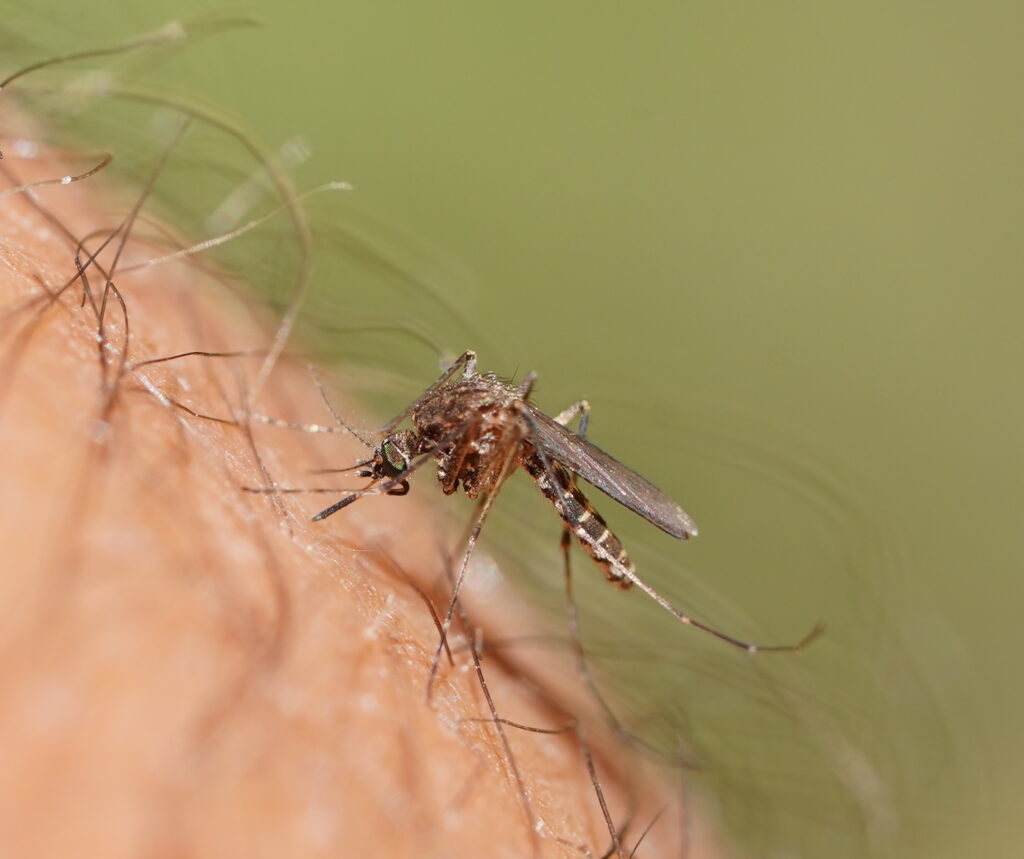
Scientists at CSIRO’s Australian Centre for Disease Preparedness (ACDP) provided diagnostic testing and outbreak response support when a widespread outbreak of Japanese encephalitis occurred in piggeries in southern Queensland, New South Wales, Victoria and South Australia. What is Japanese encephalitis? Japanese encephalitis (JE) virus is a potentially fatal disease that infects about 100,000 people worldwide […]
Delivering Data to Improve Reporting on Australia’s Environment

Australia’s national research infrastructures are working together to streamline access to integrated data for State of the Environment reporting and other environmental assessments. The collaborative project is ensuring easy, open access to comparable, time-series datasets for key measures of the state of Australia’s environment and biodiversity. Every five years, the Australian Government delivers the State […]
AuScope underpins Julimar polymetallic minerals discovery

In November 2021, Chalice Mining Limited released a maiden resource statement for the Julimar polymetallic mineral deposit on Wadjuk Country in Western Australia. This is an exciting milestone for Chalice on the path to delivering palladium, nickel, copper and platinum for clean energy technologies. Equally impressive is the decades-long backstory to the Julimar discovery, which […]
Carpentries Partnership for Australia to Uplift Digital Research Skills
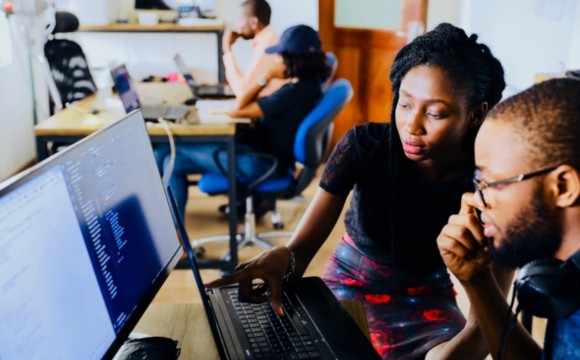
A new partnership between 10 Australian research institutions will train instructors in The Carpentries, a proven method for teaching digital research skills to researchers. We are pleased to announce a new partnership between 10 Australian research institutions to train instructors in The Carpentries digital research skills. The partnership will be announced today at the ARDC Digital […]
Launching DReSA: A Portal for Digital Research Training in Australasia
DReSA is a portal for discovering digital research training events, materials, providers and trainers in Australia, New Zealand, and the region. We are excited to announce the launch of Digital Research Skills Australasia (DReSA), a portal for discovering digital research training events, materials, providers and trainers in Australia, New Zealand, and the region. The portal launched […]
From rocks to Cochlear, swords and sunscreen

Our spectrometry wizards at Macquarie University’s MQ GeoAnalytical laboratory (MQGA) are at it again, innovatively applying their new age-dating technique to novel science challenges outside of the geology domain. From detecting trace elements in cochlear implants in Australia to tracing the provenance of Iron Age sword fragments from Dubai, this newly NCRIS enabled geo-analytical technique […]
Mysterious Lithium-Producing Stars Analysed on Nectar

Dr Simon Campbell, ARC Future Fellow at Monash University, is unravelling the origin of the elements in the universe, one ARDC Nectar Research Cloud processor at a time. Here on Earth, Lithium is used in electric cars, giant solar-storage batteries, medicine, mobile phone batteries and heat resistant glass, but little is known about how the […]
Improving Environmental Decision Making with Research Platforms
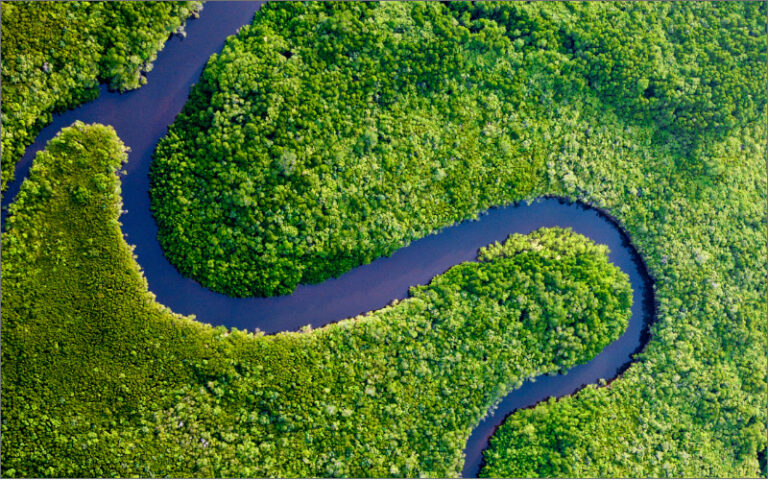
Over 7,000 users based at 400 different institutions in 35 countries have accessed ARDC-supported digital research platforms for ecological modelling to inform environmental research and decision making. Australia’s Environment Is in a State of Decline In a 2020 independent review of Australia’s environmental legislation, the Environment Protection and Biodiversity Conservation Act 1999, Prof Graeme Samuel […]
Australian Urban Health Indicators

Creating new health indicators that improve the understanding of the health of Australian urban and regional populations Australian Urban Health Indicators (AusUrb-HI) is a collaboration between NCRIS facilities – the Australian Urban Research Infrastructure Network (AURIN), the Australian Research Data Commons (ARDC) and the Population Health Research Network (PHRN) – and researchers, that will develop a suite of new indicator data […]
Nano-thin piezoelectrics advance self-powered electronics

A new type of ultra-efficient, nano-thin material could advance self-powered electronics, wearable technologies and even deliver pacemakers powered by heart beats. The flexible and printable piezoelectric material, which can convert mechanical pressure into electrical energy, has been developed by an Australian research team led by RMIT University. It is 100,000 times thinner than a human […]
Australian cities are quiet during lockdown. Earthquake scientists are making the most of it

Our responses to the COVID-19 pandemic have dramatically changed human activity all over the world. People are working from home, schools are closed in many places, travel is restricted, and in some cases only essential shops and businesses are open. Scientists see signs of these changes wherever they look. Carbon dioxide emissions are down, air […]
EcoCommons

A world-first collaborative commons for analysing and modelling ecological and environmental challenges. The Challenge Our planet is facing massive biodiversity loss due to overexploitation of species, invasive species, pollution, climate change and the degradation, fragmentation and destruction of habitats. Decision makers concerned with biodiversity need powerful computing and analytical capabilities to help navigate this challenge […]
Developing Personalised Treatment for Kids With Cancer

CAVATICA is a cloud-based platform for collaboratively accessing, sharing, and analysing childhood cancer data. Childhood cancer kills more children than any other disease in Australia and tragically, every week three children and adolescents in Australia currently die because of cancer. Every child is different, every cancer is unique, and so treatment has to be tailored for […]
Liveability For All On Our Urban Fringes

NCRIS-enabled projects AURIN and TERN are delivering data and analysis tools to support research and planning for more sustainable urban environments. Discussions around suburban sprawl have made headlines in recent months as the reality of life at the fringes is revealed for new residents. Many were attracted to new outer suburb developments, or exurbs, by the promise […]
Cleaning the Sydney Harbour Bridge

The Sydney Harbour Bridge was opened in 1932 and not surprisingly, is a heritage-listed structure. A mammoth effort is required to look after the Bridge to keep it looking its iconic best. Cleaning the paint and stone, and replacement of aging and damaged paint is a major part of this. Dirt, rust and the existing […]
Elastagen – Skinnovation in treatment for burns victims

Elastagen Pty Ltd is a clinical stage medical device company that is pioneering Elastatherapy™ using the human protein elastin to naturally repair and augment the skin. The company has arisen out of patented research conducted by Prof. Tony Weiss’s group at the University of Sydney and their first clinical trials have demonstrated the biocompatability and […]
National Network of Trusted Data Repositories

The Trusted Data Repositories for the National Imaging Facility project brought together researchers and informatics specialists from UQ’s Centre for Advanced Imaging (CAI), Monash Biomedical Imaging (MBI), Monash eResearch Centre, the University of Western Australia, RCC (Research Computing Centre, UQ) and the University of NSW to establish best practices for TDRs to store imaging data […]
Better cholesterol imaging

An international team of researchers has developed a new way to localise cholesterol is in cells and tissues. This provides insights into how cholesterol moves in and out of cells and could eventually lead to new therapies for cardiovascular disease. Deuterated cholesterol enabled by the National Deuteration Facility and NanoSIMS (nano-Secondary Ion Mass Spectroscopy) at […]