

Assessing Ecological Risks from Naturally Occurring Radioactive Materials (NORM)

The National Sea Simulator (SeaSim), supported through NCRIS, enabled Australia’s first experimental assessment of ecological risks associated with naturally occurring radioactive materials (NORM) and co‑occurring contaminants such as mercury linked to offshore oil and gas infrastructure. Researchers from the Australian Nuclear Science and Technology Organisation (ANSTO), working with AIMS scientists, recreated realistic decommissioning scenarios by […]
Genomics for biosecurity: stronger screening for plant pathogens

Australia’s biosecurity relies on the rapid and accurate detection of pathogens at the border. The Australian Government’s Post Entry Quarantine facility faced increasing volumes of high-risk imported plants requiring screening. Traditional viral screening approaches were labour intensive and highly specialised, and fast becoming unsustainable. Image credit: Robin Eichner (DAWE) Australian BioCommons, enabled through Bioplatforms Australia, […]
SeaSim Accelerates Large‑Scale, Climate‑Ready Reef Restoration

The National Sea Simulator (SeaSim), funded through NCRIS, is Australia’s most advanced marine experimental facility and a cornerstone of the Reef Restoration and Adaptation Program (RRAP). SeaSim’s industrial‑grade automation, precise environmental control, and bespoke experimental systems enable complex, long‑term studies. Within SeaSim’s controlled environments, RRAP partners developed and validated next‑generation restoration interventions, including selective breeding […]
Advancing Defence Materials Through Marine Testing and Advanced Manufacturing

The National Sea Simulator (SeaSim), supported through NCRIS, supported through NCRIS, is enabling a new Defence innovation partnership between Charles Darwin University, James Cook University, SPEE3D and the Queensland Defence Science Alliance (QDSA). Through QDSA’s Collaborative Research Grants program, the team is advancing Australia’s sovereign capability to manufacture and validate high‑performance materials for naval and […]
The unseen engine

How Australia’s investment in research and infrastructure is forging global quantum leadership Over the past 20 years, Australia has quietly secured a position at the forefront of the quantum revolution. Not only are we building some of the world’s first commercial quantum computers but quantum science is being employed in a new generation of sensors, […]
Improving spatial analysis for disease risk detection: a COVID-19 case study

During COVID-19, public health agencies relied heavily on data to understand where the virus was spreading and who was most at risk. While robust data have long underpinned decision-making, the pandemic reinforced that statistical factors – such as how data are grouped, how geographical boundaries are defined, and how granular the data are – can […]
Urban greening for health

On average, someone is hospitalised for a heart attack every 9 minutes, according to the National Heart Foundation of Australia. And the toll on taxpayers runs into billions each year. Reduced cardiovascular disease Few studies have explored whether health benefits from urban greening translate into reduced healthcare expenditure. Study co-lead Professor Xiaoqi Feng from the University […]
Research Impact: AURIN data and infrastructure shaping a more sustainable urban future

Densifying the great Australian dream Owning a home is the great Australian dream. But as Australia’s population continues to grow, understanding how to plan and deliver housing is more important than ever. Urban planning therefore plays a critical role in government and industry decision-making, shaping where and how people live. Emeritus Professor Peter Newton has […]
How NCRIS infrastructure helped UQ’s vaccine platform: a billion-dollar success

A landmark deal has placed Australian vaccine innovation on the world stage, with leading healthcare company Sanofi completing the acquisition of Vicebio. Vicebio was formed in 2019 to advance The University of Queensland (UQ)’s Molecular Clamp platform, a novel vaccine technology designed to stabilise viral proteins in their native shape. This approach helps the immune […]
How our seabed mapping is boosting knowledge of Australia’s incredible marine estate

A collaborative effort by CSIRO and Geoscience Australia is delivering high-resolution seabed data to illuminate our ocean estate and make incredible discoveries. Australia has the third largest ocean territory on the planet, measuring 13.8 million square kilometres, including the Australian Antarctic Territory. Australia’s diverse oceans, seas and waterways form an integral part of our lifestyle, […]
Research impact: understanding bikeability to shape healthier, more connected cities.

Across Australia, cities are looking for safer, easier ways to support cycling. ‘Bikeability’ describes how well an area supports cycling through its infrastructure, safety, environment and access to everyday destinations. But understanding what actually makes an area ‘bikeable’ is not straightforward. Until now, studies have used different definitions, indicators, and modelling approaches to explore bikeability, […]
Ten years on the radar: How Australian infrastructure is supporting space agencies around the world

Over ten years ago, a curious network of triangular aluminium structures was erected across the quiet paddocks of Queensland’s Darling Downs region. Scattered amongst grazing livestock, these radar corner reflectors sit idly, without using power, collecting data or transmitting signals. But despite their seemingly simple design, these metal structures play a critical role in Earth […]
Lab-grown ‘tiny hearts’: development of an epicardial lineage tracing human pluripotent stem cell line to identify new cardiac therapeutics

Lab-grown ‘tiny hearts’ – developed with the support of the Phenomics Australia iPSC Derivation & Gene Editing Facility Node at Murdoch Children Research Institute (MCRI) and the Pipeline Accelerator scheme – have accelerated the way treatments are identified and tested for heart related disease. Cardiovascular disease is a major cause of death in Australia, responsible for one in four of […]
Advancing early melanoma detection: Phenomics Australia & ACEMID collaboration

Phenomics Australia’s Histopathology & Slide Scanning Node is working with the Australian Centre of Excellence in Melanoma Imaging & Diagnosis (ACEMID) Pathology team to drive new advances in the early detection and diagnosis of melanoma. Every year, more than 18,000 Australians are diagnosed with melanoma. According to ACEMID Project Leader Professor H. Peter Soyer (The University of Queensland), identifying […]
Better connecting people who power Australia’s innovation

A new national platform, ARDC Research Link Australia (RLA), is helping connect researchers, industry and government by making expertise and collaboration information easier to find and use. A recent pilot project with RLA shows how verified, accessible insights into Australian researchers’ capability can drive partnerships, innovation and productivity across the nation. Connecting People, Capability and […]
NCRIS Turbo-Charges New mRNA Drugs

Therapeutics that use mRNA are a growing area of development and work by introducing the ‘’message” to make a therapeutic protein into the patient’s body, instead of the protein itself. This approach can revolutionise combatting many kinds of cancers, and for treating genetic and infectious diseases. Conventional strategies deliver mRNA drugs to tissues inside lipid […]
NCRIS supports breakthrough ovarian cancer agent from early-stage design to first in-human studies

Australian capabilities shepherded new agent through entire innovation pipeline. Challenge Professor John Hooper has worked for decades to develop antibody 10D7, a beacon of hope for patients with advanced ovarian, prostate and bladder cancers. Very few novel drugs are developed entirely in Australia, from their early stages through to preclinical models and first-in-human trials. Ovarian […]
Corals in a warming ocean

Investigating heat resistance in corals Since 2013, the National Sea Simulator (SeaSim) has been a pivotal resource in advancing our understanding of coral heat resistance and the potential for human-assisted evolution to bolster coral resilience. Assisted evolution involves accelerating naturally occurring evolutionary processes to help corals adapt to predicted future climate ocean scenarios, such as rising […]
TRI boosts medical research efficiency with FileSender

The Translational Research Institute’s integration of FileSender enables fast and secure data sharing, streamlining collaboration for vital medical research. The Translational Research Institute (TRI) is at the forefront of medical research, supporting diverse research projects that produce crucial data to further our understanding of complex diseases. The institute plays a key role in studies spanning cancer biology, […]
Research Impact: Mitigating Childhood Asthma Risks from Traffic-Related Air Pollution

Using data available through AURIN, as well as Westgate and EPA (Environment Protection Authority Victoria) monitor data, researchers from the University of Queensland and the University of Melbourne have raised concerns about the impact of emissions from truck traffic on childhood asthma rates in Melbourne’s Inner West. Clare Walter, Peter D Sly, Brian W Head, […]
Streamlining remote sensing data transfers for environmental research
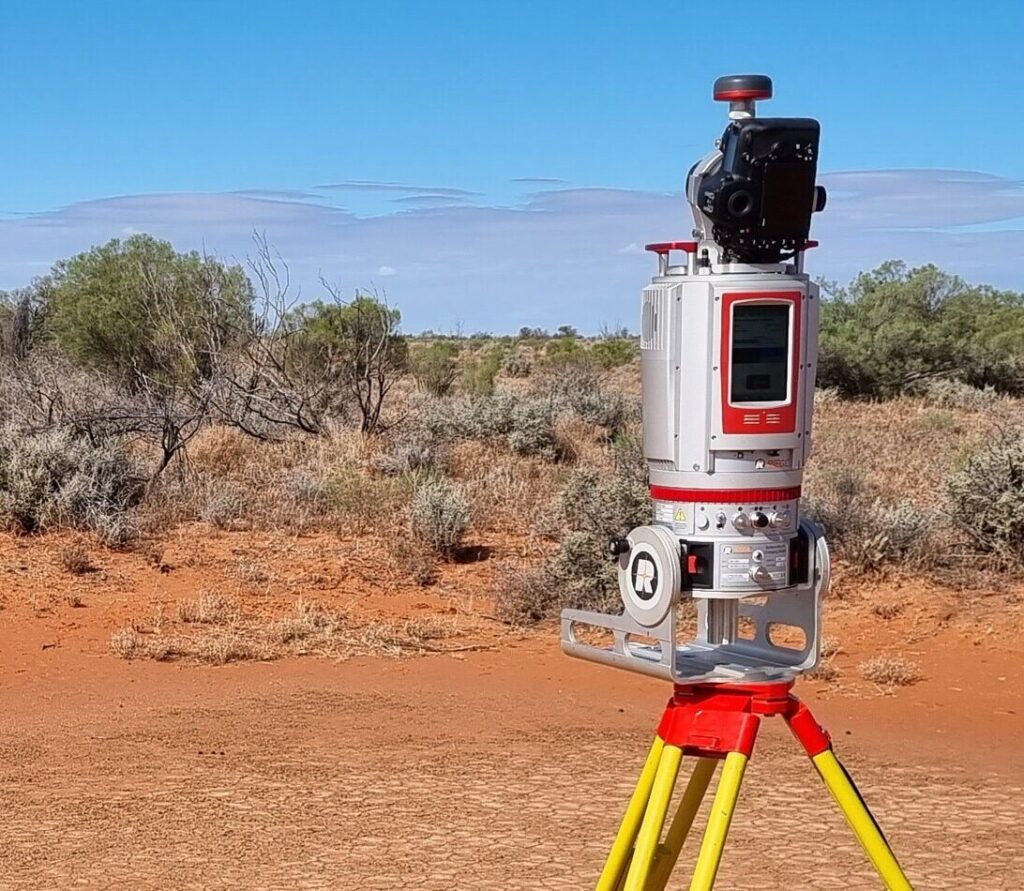
FileSender addresses the challenge of moving large datasets around for researchers participating in the Joint Remote Sensing Research Program. For environmental researchers, the volume of data generated by remote sensing technologies can be massive and challenging to manage. The Joint Remote Sensing Research Program (JRSRP) is a leader in this field, involving experts from academia […]
Making visible the impact of Australia’s national microscopy infrastructure

Through trust and identity, the impact of Australia’s distributed microscopy infrastructure will be revealed. Microscopy Australia is a consortium of university-based microscopy facilities that provides more than 3,500 Australian researchers a year, with access to state-of the-art microscopes. Through access to their facilities, crucial research is enabled in areas such as future energy innovations, improved […]
First in-human images of new hope treatment for poor-prognosis prostate cancer
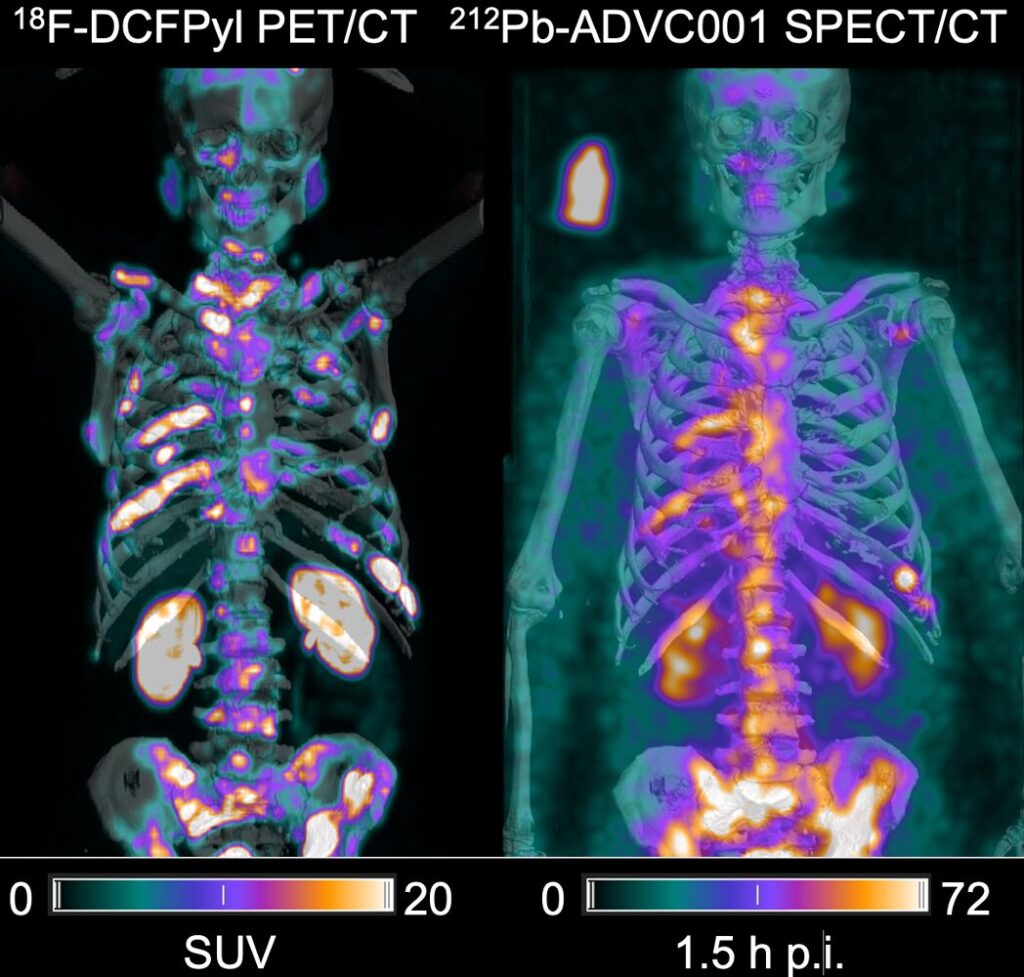
In a world first, supported by National Imaging Facility, Australian researchers have imaged and measured the uptake of a promising new prostate cancer therapy drug developed by Australian company AdvanCell, which was recently administered to its first patient in a clinical trial. Prostate cancer is the second most common cancer for men. Around 50% of […]
New brain imaging set to improve and speed epilepsy diagnosis, treatment
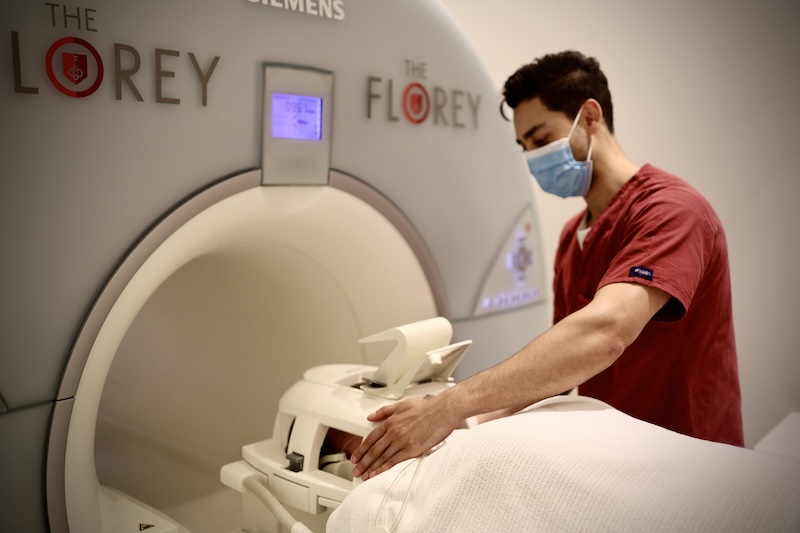
Novel imaging methods combined with cognitive, genetic and medical data will use AI to increase the speed and accuracy of diagnoses and treatment for epilepsy patients, according to researchers working collaboratively with NIF. Advanced MRI imaging methods are helping Australian epilepsy researchers move closer to faster, more accurate, individualised diagnoses and treatment options for patients. […]
ALA’s Indigenous Ecological Knowledge Program
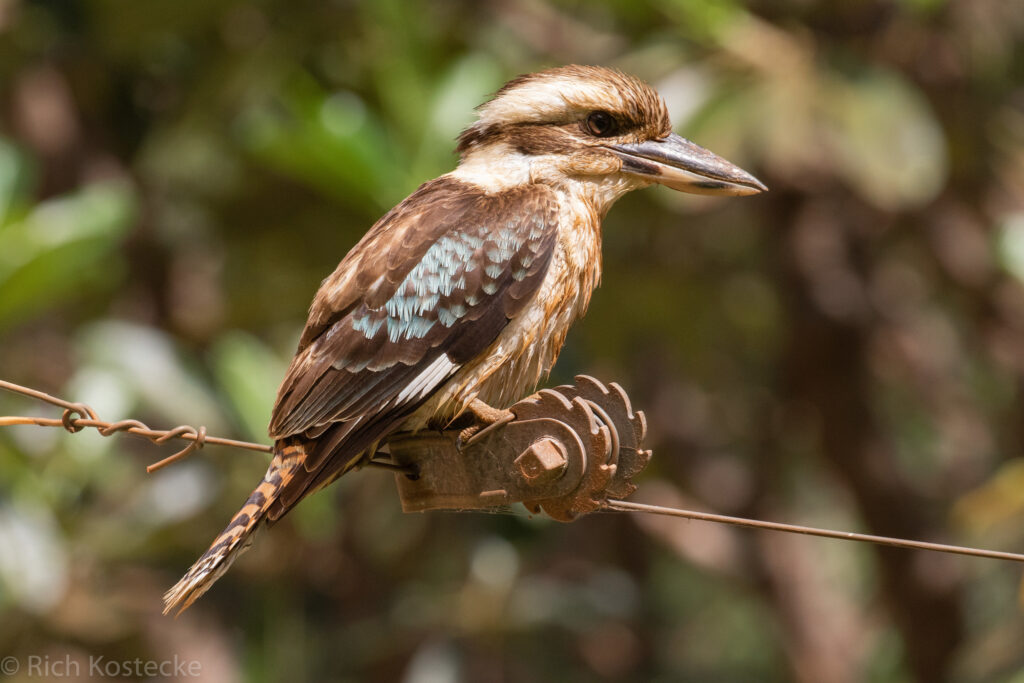
Connecting Traditional and Western science Indigenous Ecological Knowledge The Atlas of Living Australia’s (ALA) Indigenous Ecological Knowledge (IEK) program supports collaboration with our Aboriginal and Torres Strait Islander partners, promotes Indigenous ecological knowledge and languages, and links this knowledge to Western science. Indigenous ecological knowledge is based on thousands of years of studying native plants, animals and the […]
State support injects big cash for upgrades and new national research infrastructure

National Collaborative Research Infrastructure Strategy (NCRIS)-supported programs have received nearly $30 million in co-investment from the New South Wales and Queensland Governments through the NCRIS Support Program and Research Infrastructure Co-Investment Fund (RICF), respectively. Co-funding arrangements such as the NCRIS Support Program and RICF are another way that NCRIS ensures that spending on research infrastructure […]
Supporting Australia’s food security and agriculture industry

Over 90% of fruit, vegetables, meat, milk, and eggs sold in Australia are domestically produced, and over half of Australia’s agricultural produce is exported. As an important contributor to the Australian economy, the gross value of Australia’s agricultural food production is forecast at $79 billion for 2023-24, and our agricultural exports are forecast at $65 […]
Nanocluster Catalysts Remove Toxic Organic Chemicals from Wastewater

Water contamination from dyes used in food, cosmetics, textiles, and other production processes has become a major ecological problem. Numerous chemical companies, such as those that produce textiles, cosmetics, and dyes, discharge hazardous and non-biodegradable dyes into the environment. Azole dyes, including methyl orange, make up over half of the dyes used in the textile […]
Brain research supercharged by new ‘control panel’ accessible worldwide
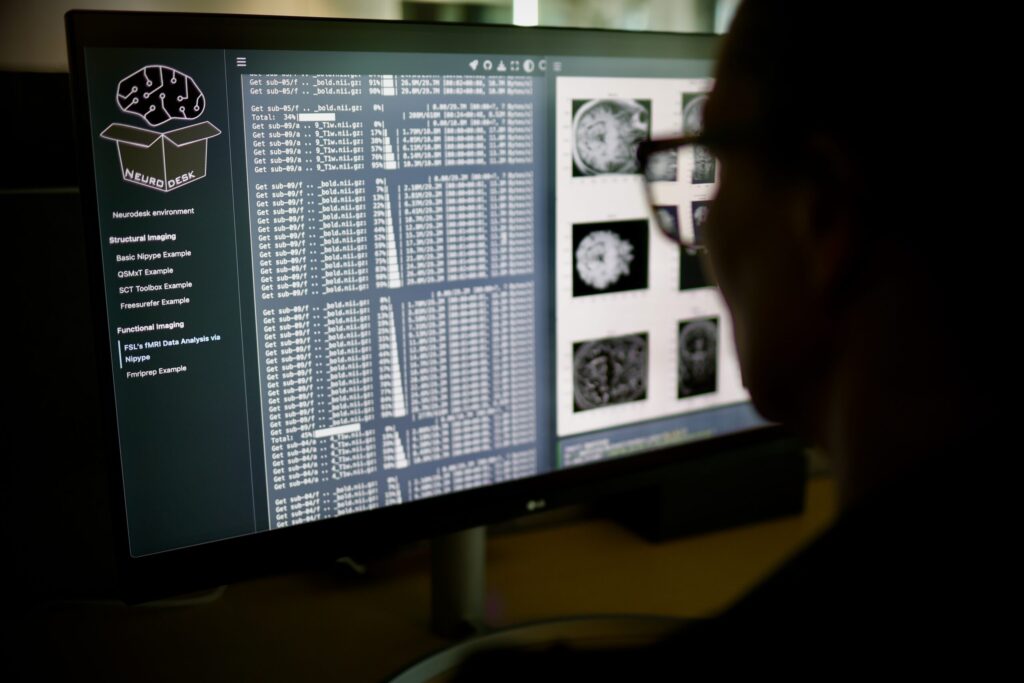
The flood of data from brain research worldwide has now been channelled into an easy-to-use, open-access processing tool built to supercharge our understanding of the human brain. Neurodesk – a platform for processing, analysing and sharing massive datasets – has solved critical issues in the search for answers about brain disorders and diseases such as epilepsy, […]
Data sharing platform to transform Ag industry

AgReFed helps researchers and industry professionals find and analyse trusted, reusable agricultural data from across Australia. An ARDC-supported national partnership is helping to advance the country’s agricultural sector through innovative application of digital technology. The Agricultural Research Federation (AgReFed) is an Australian platform that aims to improve the discoverability of trusted, reusable, and analysis-ready agri-data […]
Scientists discover 36-million-year geological cycle that drives biodiversity

Tectonic changes alter sea levels that can create breeding grounds for life Movement in the Earth’s tectonic plates indirectly triggers bursts of biodiversity in 36-million-year cycles by forcing sea levels to rise and fall, new research has shown. Dinosaur Stampede exhibit at Dinosaur Canyon, located in Queensland’s Winton Formation which was formed during the Cretaceous […]
Vaccine patch delivers protection from dengue in mice

Dengue is the most significant mosquito-borne viral disease in the world. With an estimated 390 million cases annually, it results in approximately US$6.9 billion in economic losses. Now Dr David Muller and the vaccine team at the University of Queensland (UQ) have developed a promising dengue vaccine candidate that provides strong immunity in mice when […]
Renewable, versatile spinifex and the future of nanofibres

From nanotechnology to Indigenous empowerment Spinifex, a hardy Australian grass, spread widely across inland Australia, presents a new high-tech opportunity for the future of construction, medical technology, and day-to-day life. In partnership with the Indjalandji-Dhidhanu People of North-West Queensland, through Bulugudu Ltd, researchers at the University of Queensland have been developing a high-tech product from […]
Making life easier – Prof Joe Shapter’s ORCID story
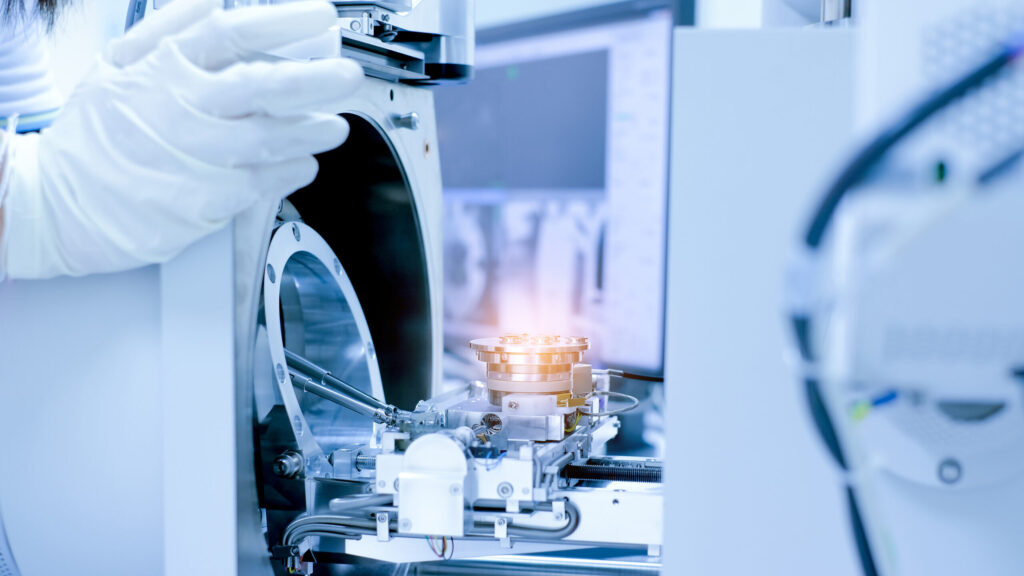
We recently chatted with Joe Shapter, the Pro-Vice-Chancellor (Research Infrastructure) at the University of Queensland (UQ), to learn more about how his ORCID ID has helped him when applying for grants. Joe shared with AAF how his ORCID record was first registered when he was at Flinders University and it continued to be populated when […]
A One Health approach to Japanese encephalitis
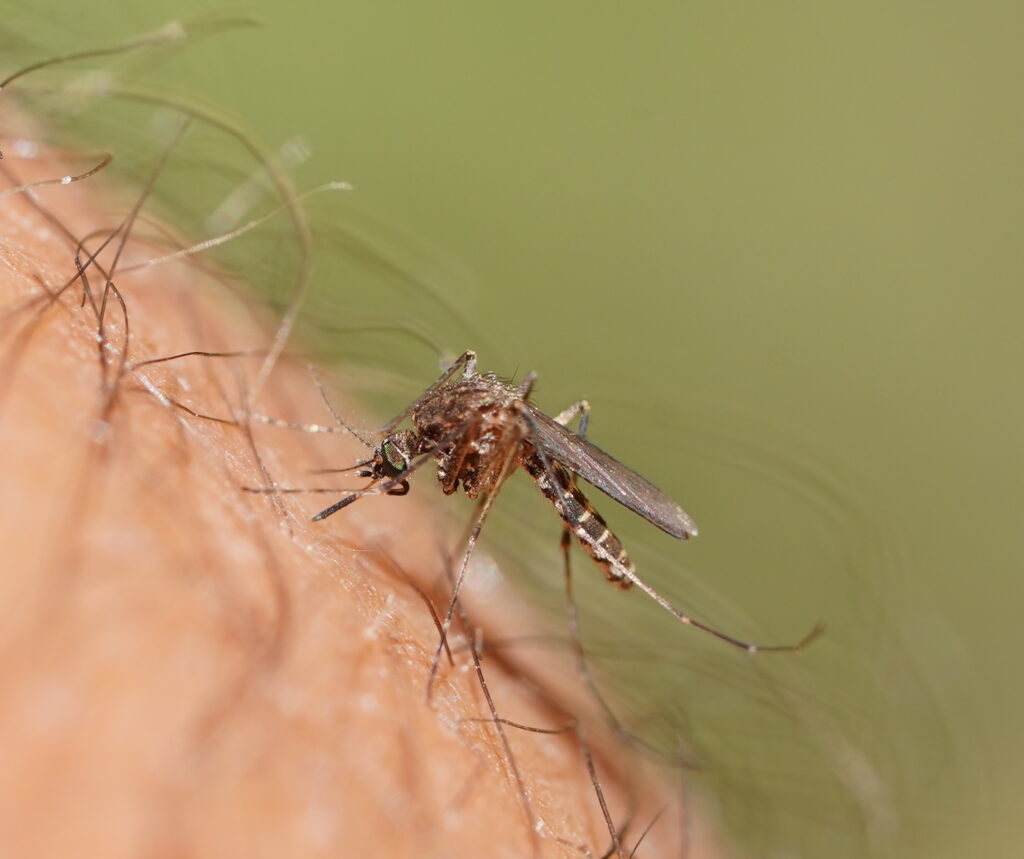
Scientists at CSIRO’s Australian Centre for Disease Preparedness (ACDP) provided diagnostic testing and outbreak response support when a widespread outbreak of Japanese encephalitis occurred in piggeries in southern Queensland, New South Wales, Victoria and South Australia. What is Japanese encephalitis? Japanese encephalitis (JE) virus is a potentially fatal disease that infects about 100,000 people worldwide […]
Piloting the Australian Environmental Health (AusEnHealth) Strategic Planning Digital Twin

This ambitious one-year pilot project aims to understand the landscape of Australian environmental health data collection at both state and national levels. Rising temperatures, more extreme weather, and increasing carbon dioxide levels impact on water and food supply, degrade living conditions, increase social inequities, change vector ecology, increase air pollution and allergens, and impact on […]
Delivering Data to Improve Reporting on Australia’s Environment

Australia’s national research infrastructures are working together to streamline access to integrated data for State of the Environment reporting and other environmental assessments. The collaborative project is ensuring easy, open access to comparable, time-series datasets for key measures of the state of Australia’s environment and biodiversity. Every five years, the Australian Government delivers the State […]
AuScope underpins Julimar polymetallic minerals discovery

In November 2021, Chalice Mining Limited released a maiden resource statement for the Julimar polymetallic mineral deposit on Wadjuk Country in Western Australia. This is an exciting milestone for Chalice on the path to delivering palladium, nickel, copper and platinum for clean energy technologies. Equally impressive is the decades-long backstory to the Julimar discovery, which […]
Carpentries Partnership for Australia to Uplift Digital Research Skills

A new partnership between 10 Australian research institutions will train instructors in The Carpentries, a proven method for teaching digital research skills to researchers. We are pleased to announce a new partnership between 10 Australian research institutions to train instructors in The Carpentries digital research skills. The partnership will be announced today at the ARDC Digital […]
Launching DReSA: A Portal for Digital Research Training in Australasia
DReSA is a portal for discovering digital research training events, materials, providers and trainers in Australia, New Zealand, and the region. We are excited to announce the launch of Digital Research Skills Australasia (DReSA), a portal for discovering digital research training events, materials, providers and trainers in Australia, New Zealand, and the region. The portal launched […]
Imaging technique paves way for improved quantum devices

A University of Queensland team made up of physicists and engineers have found a way to identify and address imperfections in materials for one of the most promising technologies in commercial quantum computing. Challenge Superconducting quantum circuits are one of the most promising commercial quantum computing technologies, and are attracting significant interest from industry giants […]
WearOptimo create real-time, Microwearable health sensors

WearOptimo have used Microscopy Australia’s facilities to develop a world-first, wearable, real-time health sensor, which is now in clinical trials. WearOptimo aims to provide affordable, wearable technology to revolutionise monitoring of biomarkers, which act as an early warning sign of disease. Initially, their sticker like device will provide real time monitoring of hydration and of heart […]
Improving Environmental Decision Making with Research Platforms
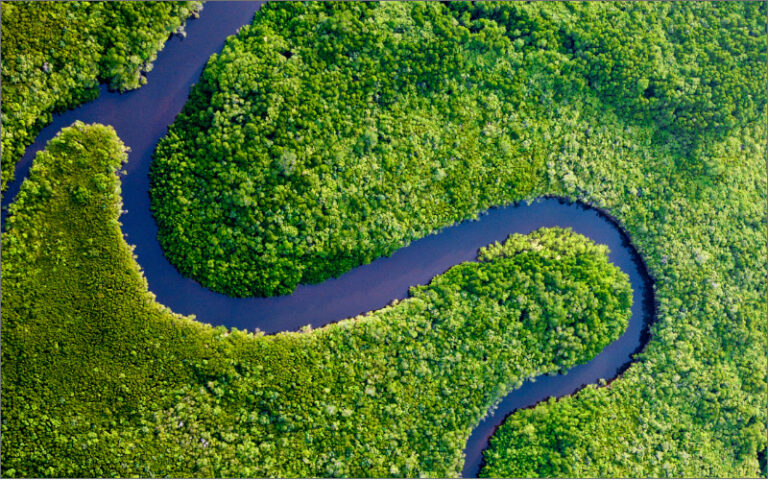
Over 7,000 users based at 400 different institutions in 35 countries have accessed ARDC-supported digital research platforms for ecological modelling to inform environmental research and decision making. Australia’s Environment Is in a State of Decline In a 2020 independent review of Australia’s environmental legislation, the Environment Protection and Biodiversity Conservation Act 1999, Prof Graeme Samuel […]
Australian Urban Health Indicators

Creating new health indicators that improve the understanding of the health of Australian urban and regional populations Australian Urban Health Indicators (AusUrb-HI) is a collaboration between NCRIS facilities – the Australian Urban Research Infrastructure Network (AURIN), the Australian Research Data Commons (ARDC) and the Population Health Research Network (PHRN) – and researchers, that will develop a suite of new indicator data […]
From ancient grass to modern materials

A unique partnership between Dugalunji Aboriginal Corporation and a University of Queensland research team has lead to the development of valuable and sustainable nanofibres leading to the creation of regional, Indigenous jobs. Challenge Nanofibres can strengthen many materials for a wide range of applications from thinner more flexible electronics and plastics, to next generation building […]
Super-charging next-gen solar panels with phosphorene

Researchers at Flinders University have made significant increases in efficiency in several emerging solar cell technologies using phosphorene – a 2D form of phosphorus only a few atoms thick – along with developing a cheaper, faster way to produce it. In a world in need of cheaper, sustainable and clean energy solutions, solar is an […]
Australian cities are quiet during lockdown. Earthquake scientists are making the most of it

Our responses to the COVID-19 pandemic have dramatically changed human activity all over the world. People are working from home, schools are closed in many places, travel is restricted, and in some cases only essential shops and businesses are open. Scientists see signs of these changes wherever they look. Carbon dioxide emissions are down, air […]
Accelerating research into our towns, cities and communities
AURIN (Australian Urban Research Infrastructure Network) provides support to Australian researchers, planners, and policy makers to inform evidence-based decision making. The eresearch facility enables critical decision making for Australia’s future growth, sustainability and urban planning. AURIN provides a range of online tools and services to support spatio-statistical analysis and data visualisation. Known as Australia’s single […]
EcoCommons

A world-first collaborative commons for analysing and modelling ecological and environmental challenges. The Challenge Our planet is facing massive biodiversity loss due to overexploitation of species, invasive species, pollution, climate change and the degradation, fragmentation and destruction of habitats. Decision makers concerned with biodiversity need powerful computing and analytical capabilities to help navigate this challenge […]
Liveability For All On Our Urban Fringes

NCRIS-enabled projects AURIN and TERN are delivering data and analysis tools to support research and planning for more sustainable urban environments. Discussions around suburban sprawl have made headlines in recent months as the reality of life at the fringes is revealed for new residents. Many were attracted to new outer suburb developments, or exurbs, by the promise […]
National Network of Trusted Data Repositories

The Trusted Data Repositories for the National Imaging Facility project brought together researchers and informatics specialists from UQ’s Centre for Advanced Imaging (CAI), Monash Biomedical Imaging (MBI), Monash eResearch Centre, the University of Western Australia, RCC (Research Computing Centre, UQ) and the University of NSW to establish best practices for TDRs to store imaging data […]
Reef Spawning in SeaSim

The National Sea Simulator (SeaSim) supports the propagation of a range of marine organisms, including corals, sponges, and Crown-of-thorns starfish (COTS). Utilising advanced infrastructure, SeaSim replicates natural spawning conditions, making it an invaluable resource for studying reproductive processes and early-history of marine invertebrates. SeaSim’s proximity to the Great Barrier Reef ensures easy access to reproductively […]
Linked Data and the Reduction in Cervical Cancer in Australia

Data linkage has had a significant role in the reduction in cervical cancer in Australia. Preventing cervical cancer The Human Papilloma Virus (HPV) vaccine is a powerful tool for the prevention of cervical cancer. It was developed by industry, based on critical research done at the University of Queensland. Australia was the first country in the world to introduce […]