

Australia welcomes its first EMBL ARISE Fellow at Monash University

Australia’s capabilities in research infrastructure (RI) have received a major boost, with Monash University set to host EMBL Fellows as part of the Career Accelerator for Research Infrastructure Scientists (ARISE) – a flagship European initiative designed to train the next generation of RI leaders. ARISE Fellow Dr Richard Jacoby from the European Molecular Biology Laboratory (EMBL) will […]
Australia at the forefront of tracking our universe in real time

Australia is helping track millions of new asteroids, exploding stars, and other real-time changes in the night sky. The NSF-DOE Vera C. Rubin Observatory, a revolutionary new imaging system located in Chile’s Atacama Desert, has issued its first ~800,000 scientific alerts documenting every visible change it captures with the world’s biggest digital camera. Rubin will […]
Us vs Them – DSpark mobility data reveals AFL supporter location vs loyalty

Where Do AFL Fans Live in Melbourne Today? Explore the AURIN Data Tale – Us versus Them – Exploring how mobility data can be used to determine the geographical boundaries between supporters of Melbourne-based AFL teams. Victoria is home to 10 of the 18 AFL teams. Most were founded in the 1800s, long before the […]
Australian technologies on the path to real-world use

The Australian National Fabrication Facility (ANFF) works with small and medium enterprises (SMEs) as they develop new technologies and devices and move them beyond the lab. For many SMEs, this is the stage where ideas become physical, functional and repeatable. Access to the right tools, facilities and hands-on expertise makes the difference between something that […]
The unseen engine

How Australia’s investment in research and infrastructure is forging global quantum leadership Over the past 20 years, Australia has quietly secured a position at the forefront of the quantum revolution. Not only are we building some of the world’s first commercial quantum computers but quantum science is being employed in a new generation of sensors, […]
From discovery to spin-out: advancing new therapies for polycystic kidney disease

Polycystic kidney disease is a common inherited condition that can lead to kidney failure, requiring dialysis or transplantation, with limited treatment options available. Researchers at Monash University identified a key cell signalling pathway driving cyst growth, forming the foundation for xCystence Bio, a biotech spin-out developing new therapies to slow or halt disease progression. NCRIS-enabled […]
Urban greening for health

On average, someone is hospitalised for a heart attack every 9 minutes, according to the National Heart Foundation of Australia. And the toll on taxpayers runs into billions each year. Reduced cardiovascular disease Few studies have explored whether health benefits from urban greening translate into reduced healthcare expenditure. Study co-lead Professor Xiaoqi Feng from the University […]
Research Impact: AURIN data and infrastructure shaping a more sustainable urban future

Densifying the great Australian dream Owning a home is the great Australian dream. But as Australia’s population continues to grow, understanding how to plan and deliver housing is more important than ever. Urban planning therefore plays a critical role in government and industry decision-making, shaping where and how people live. Emeritus Professor Peter Newton has […]
Research impact: understanding bikeability to shape healthier, more connected cities.

Across Australia, cities are looking for safer, easier ways to support cycling. ‘Bikeability’ describes how well an area supports cycling through its infrastructure, safety, environment and access to everyday destinations. But understanding what actually makes an area ‘bikeable’ is not straightforward. Until now, studies have used different definitions, indicators, and modelling approaches to explore bikeability, […]
Barcodes uncover early blueprints of our cellular origins

A landmark study by WEHI scientists, including the LoxCode mouse, a sophisticated preclinical model developed by MAGEC, a Phenomics Australia node specialising in in vivo genome engineering and disease modelling, has shed new light on one of the most fundamental mysteries of biology: how cells divide and grow into the complex structures that make up […]
Cutting-edge laser boosts thermochronology research at the University of Melbourne

Researchers from the University of Melbourne’s School of Geography, Earth and Atmospheric Sciences are transforming the speed and scale of their thermochronology research, enabling more effective and precise analysis of geological samples. The faster research is thanks to a new, state-of-the-art ESL193nm ImageGEO laser system from Elemental Scientific. The laser will accelerate earth science research […]
Strengthening international research relations and showcasing Australian capability

Driving global collaboration through the Prato 2025 Health Research Infrastructure Symposium The 2025 Australian & European Health Research Infrastructure Symposium, held from 16-18 September at the Monash University Prato Centre in Italy, united leaders from major Australian and European research infrastructures to strengthen international partnerships and tackle shared challenges in health and life sciences. The three-day […]
Lab-grown ‘tiny hearts’: development of an epicardial lineage tracing human pluripotent stem cell line to identify new cardiac therapeutics

Lab-grown ‘tiny hearts’ – developed with the support of the Phenomics Australia iPSC Derivation & Gene Editing Facility Node at Murdoch Children Research Institute (MCRI) and the Pipeline Accelerator scheme – have accelerated the way treatments are identified and tested for heart related disease. Cardiovascular disease is a major cause of death in Australia, responsible for one in four of […]
Advancing early melanoma detection: Phenomics Australia & ACEMID collaboration

Phenomics Australia’s Histopathology & Slide Scanning Node is working with the Australian Centre of Excellence in Melanoma Imaging & Diagnosis (ACEMID) Pathology team to drive new advances in the early detection and diagnosis of melanoma. Every year, more than 18,000 Australians are diagnosed with melanoma. According to ACEMID Project Leader Professor H. Peter Soyer (The University of Queensland), identifying […]
Cost-effective imaging technology to revolutionise spatial transcriptomics

EMBL Australia group leader Dr William Roman & his team have launched a new imaging-based spatial transcriptomics platform that dramatically reduces experimental costs from more than $35,000 to approximately $30 per experiment, making spatial biology more accessible to researchers across Australia. While modern sequencing technology has made it relatively easy to tell which genes are […]
Safer and more accurate scans for pregnant women and children

The NIF-supported Australian National Total Body PET Facility creates benefits for both research translation and patient care. Challenge Exposure to ionising radiation is a significant concern for vulnerable patients – particularly pregnant women and children – who may require PET/CT scans for diagnosing or staging cancer, infection, or inflammatory diseases. Traditional methods of reducing radiation […]
Seeing the details through the lens of a regional model: enabling researchers to understand weather extremes

In short: Australia’s climate simulator (ACCESS-NRI) has released a fully supported version of a regional model that enables researchers to understand extreme weather events like hurricanes, floods and droughts, which are not captured by the wide-angle lens of global climate models. ACCESS-rAM3 regional model 6-hour simulation of cloud water and cloud ice of a thunderstorm […]
MAB: advancing bioimaging through collaboration and innovation

EMBL Australia Group Leader Dr Senthil Arumugam, along with Dr Toby Bell and Dr Kate McArthur, recently launched the Monash BDI Advanced Bioimaging (MAB) platform – a researcher-led, global collaboration hub designed to bring innovative microscopy technologies directly to the researchers who need them. From light-sheet imaging to custom-built microscopes and large-scale data visualisation, MAB integrates experimental […]
Research Impact: Geospatial Factors Applied to Road Accidents

Road accidents are a major source of trauma worldwide. Over 1.3 million people are killed in road accidents annually, and collisions are a leading cause of death and injury across all age groups. Aside from the human cost of road accidents, there is a significant financial toll. The US Centre for Disease Control and Prevention […]
Research Impact: Assessing “Child-Friendliness” as a Pathway to Reducing Private Car use for Children’s Transport

The journey to school is a vital part of a child’s physical, psychological, and social development. It offers children an opportunity to interact and emotionally engage with the world around them, building self-possession and independence. However, in Australia, the heavy reliance on cars to transport kids to and from school inhibits this, as well as […]
Powerful software reveals brain superhighway ‘tracts’ for surgery and research
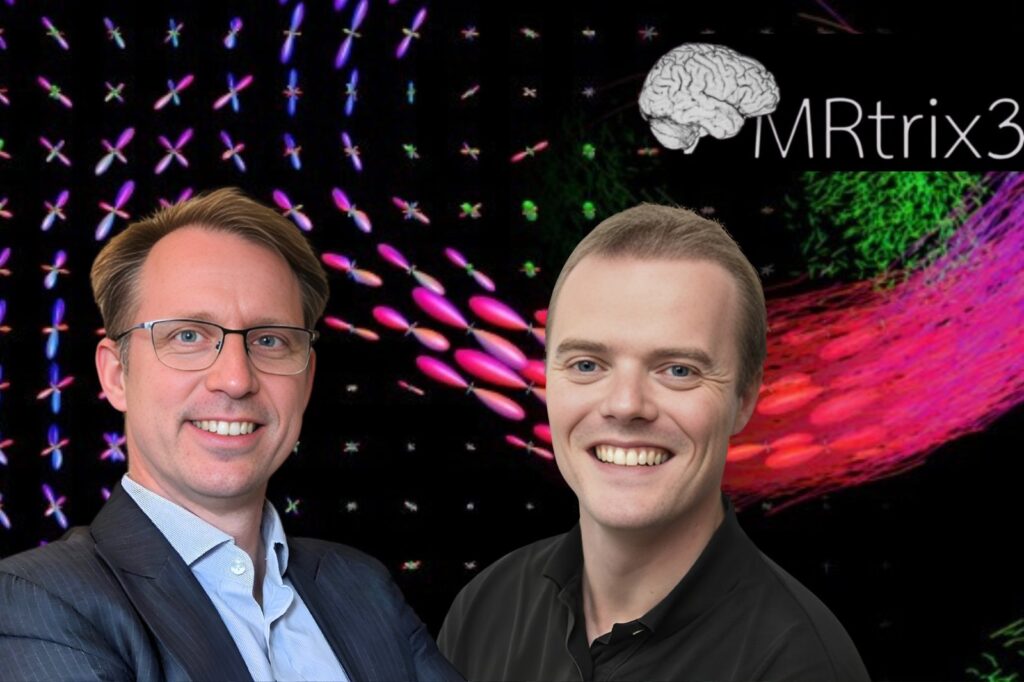
Our brains work a bit like highly advanced supercomputers, with bundles of white matter, known as ‘tracts,’ acting as superhighways that facilitate information flow and enable various brain functions. Injuries and disturbances in these tracts are linked to numerous neurological and psychiatric disorders. However, imaging these white matter tracts is challenging. These tracts are made […]
Research Impact: Mitigating Childhood Asthma Risks from Traffic-Related Air Pollution

Using data available through AURIN, as well as Westgate and EPA (Environment Protection Authority Victoria) monitor data, researchers from the University of Queensland and the University of Melbourne have raised concerns about the impact of emissions from truck traffic on childhood asthma rates in Melbourne’s Inner West. Clare Walter, Peter D Sly, Brian W Head, […]
Making visible the impact of Australia’s national microscopy infrastructure

Through trust and identity, the impact of Australia’s distributed microscopy infrastructure will be revealed. Microscopy Australia is a consortium of university-based microscopy facilities that provides more than 3,500 Australian researchers a year, with access to state-of the-art microscopes. Through access to their facilities, crucial research is enabled in areas such as future energy innovations, improved […]
New brain imaging set to improve and speed epilepsy diagnosis, treatment
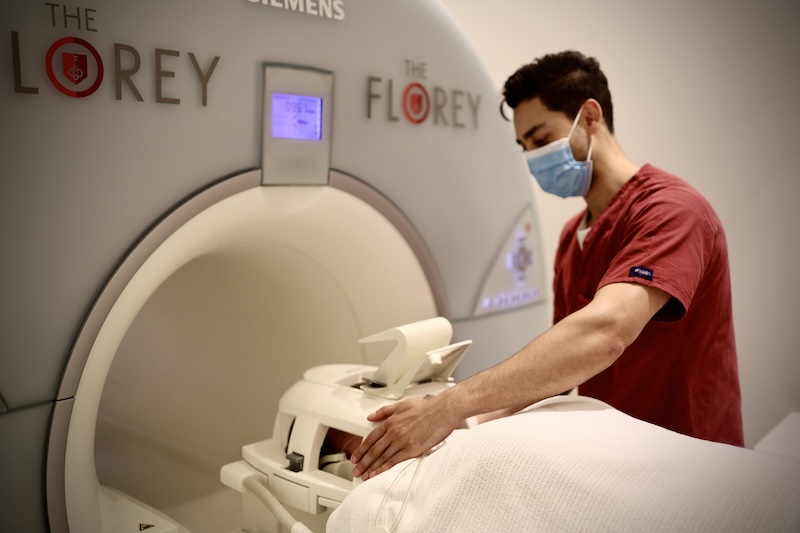
Novel imaging methods combined with cognitive, genetic and medical data will use AI to increase the speed and accuracy of diagnoses and treatment for epilepsy patients, according to researchers working collaboratively with NIF. Advanced MRI imaging methods are helping Australian epilepsy researchers move closer to faster, more accurate, individualised diagnoses and treatment options for patients. […]
Future-proofing computational proteomics
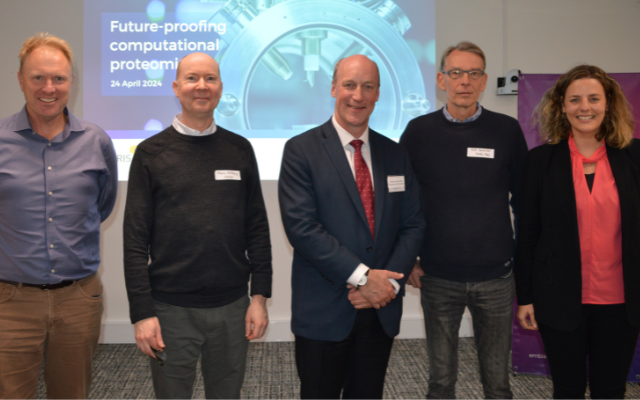
EMBL Australia and Bioplatforms Australia joined forces to host a pivotal proteomics workshop titled ‘Future-proofing Computational Proteomics’ on 24 April, featuring leading guest speakers, Dr Rolf Apweiler, Prof Marc Wilkins and Dr Richard Lipscombe. The Australian proteomics community discussed advancements in proteomics research and the pivotal role of computational approaches in shaping the future of […]
Supporting Australia’s food security and agriculture industry

Over 90% of fruit, vegetables, meat, milk, and eggs sold in Australia are domestically produced, and over half of Australia’s agricultural produce is exported. As an important contributor to the Australian economy, the gross value of Australia’s agricultural food production is forecast at $79 billion for 2023-24, and our agricultural exports are forecast at $65 […]
Enhancing Resilience and Flavor in Plant-Based Proteins: The Plant Protein Atlas Initiative

With the world’s population expected to reach unprecedented levels by 2050 and a 73% projected increase in meat consumption, there is an urgent need to double food production. Australia’s plant protein market is poised to reach an estimated value of $18 billion (AUD) by 2032, while the global plant protein food sector is projected to […]
New native mice species

Two new native mice have scurried into the list of Australian mammal species! The words “species” and “Australia” are unfortunately traditionally linked to their disappearance from our continent’s highly biodiverse ecosystem. Following from last year’s discovery of a very much alive mouse species which was previously thought to be extinct in the wild, researchers have […]
Implanting a Revolution

Quantum computing is a revolution in progress, and Dr Shao Qi Lim is excited to be part of it. “I’m lucky to be part of this revolutionary field,” says Dr Lim, a postdoctoral fellow in the ARC Centre of Excellence for Quantum Computation and Communication Technology (CQC2T) based within the Experimental Condensed Matter Physics (ECMP) […]
The true value of a pure diamond

Professor Steven Prawer from the School of Physics at the University of Melbourne, wants everybody to have diamonds. To improve their quality of life, of course. He’s not imagining diamond rings or jewellery; he’s envisaging quantum computers and health monitors made of diamond. He wants to harness the same clarity and purity that make diamonds […]
Brain research supercharged by new ‘control panel’ accessible worldwide
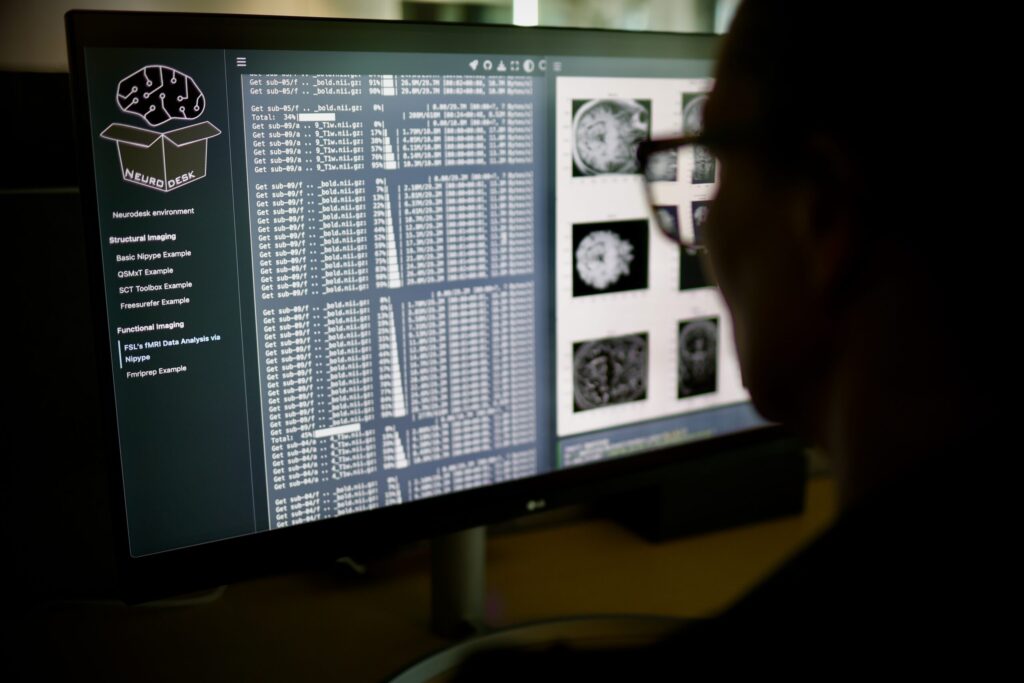
The flood of data from brain research worldwide has now been channelled into an easy-to-use, open-access processing tool built to supercharge our understanding of the human brain. Neurodesk – a platform for processing, analysing and sharing massive datasets – has solved critical issues in the search for answers about brain disorders and diseases such as epilepsy, […]
Data sharing platform to transform Ag industry

AgReFed helps researchers and industry professionals find and analyse trusted, reusable agricultural data from across Australia. An ARDC-supported national partnership is helping to advance the country’s agricultural sector through innovative application of digital technology. The Agricultural Research Federation (AgReFed) is an Australian platform that aims to improve the discoverability of trusted, reusable, and analysis-ready agri-data […]
Record-breaking fast radio burst discovery highlights synergies between ESO and SKA

A global team led by Macquarie University’s Dr Stuart Ryder and Swinburne University of Technology’s Associate Professor Ryan Shannon have discovered the most distant fast radio burst ever detected, and one of the most energetic. The team determined its location and distance from Earth by using a combination of the world’s best optical and radio […]
Clinical Trial Data Unlocked for Research with New National Platform

Health Data Australia is unlocking clinical trial data for research at a national scale. For the first time in Australia, researchers can find clinical trial data from multiple research institutions and request access to it via a new platform, Health Data Australia. Launching tomorrow at SAHMRI in Adelaide, Health Data Australia allows clinical trialists and data […]
ADACS gives astronomers a vital boost in their effort to make a gravitational map of the southern universe
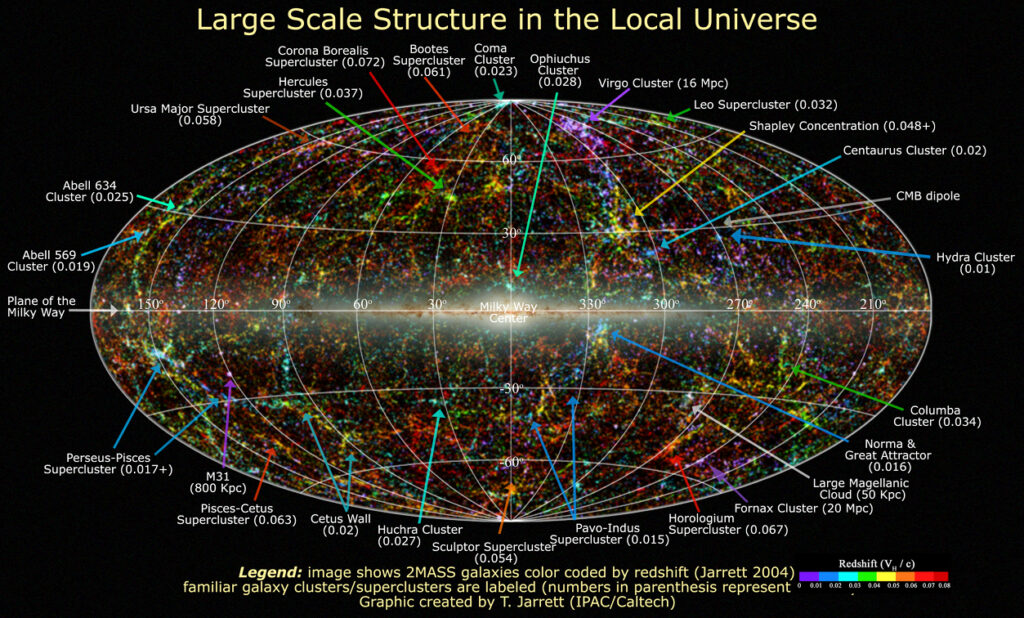
In the era of big data, Australian astronomers have a powerful strategic advantage to help them extract insights from the immense data volumes that characterise modern astronomy. Astronomy Data and Computing Services (ADACS) – delivered jointly by Swinburne University of Technology and Curtin University – was established by AAL in 2017 to remove the computational […]
Biobanks: the Australian Phenome Bank

The Australian Phenome Bank: a national biobank and database aiding the discovery of genetic disease causes and advancing Personalised Medicine. Phenomics Australia’s Biobanking service provides a database and cryobank of mouse sperm and embryos essential for discovering and distributing disease models in Australia. The challenge: Ensuring the ongoing availability of mouse strains preserving the investment made in […]
CRISPR/Cas as diagnostics tools

Phenomics Australia NCRIS expertise is used in providing knowledge to look into the commercial and translational potential of CRISPR technology. Phenomics Australia’s long-term support of the In vivo Genome Engineering and Disease Modelling nodes over the years has allowed researchers at the Melbourne Advanced Genome Editing Center (MAGEC) to have a solid understanding of CRISPR/Cas […]
Valuing Urban Wetlands — A Built Environments Biodiversity Project

We are pleased to announce—in collaboration with the Atlas of Living Australia (ALA), Federation University and BirdLife Australia—our first Built Environments and Biodiversity Project: Valuing Urban Wetlands. The conservation of urban wetlands is a matter of national importance and is relevant to all urban centres in Australia. Urban wetlands are typically highly modified, small, and disconnected from […]
A One Health approach to Japanese encephalitis
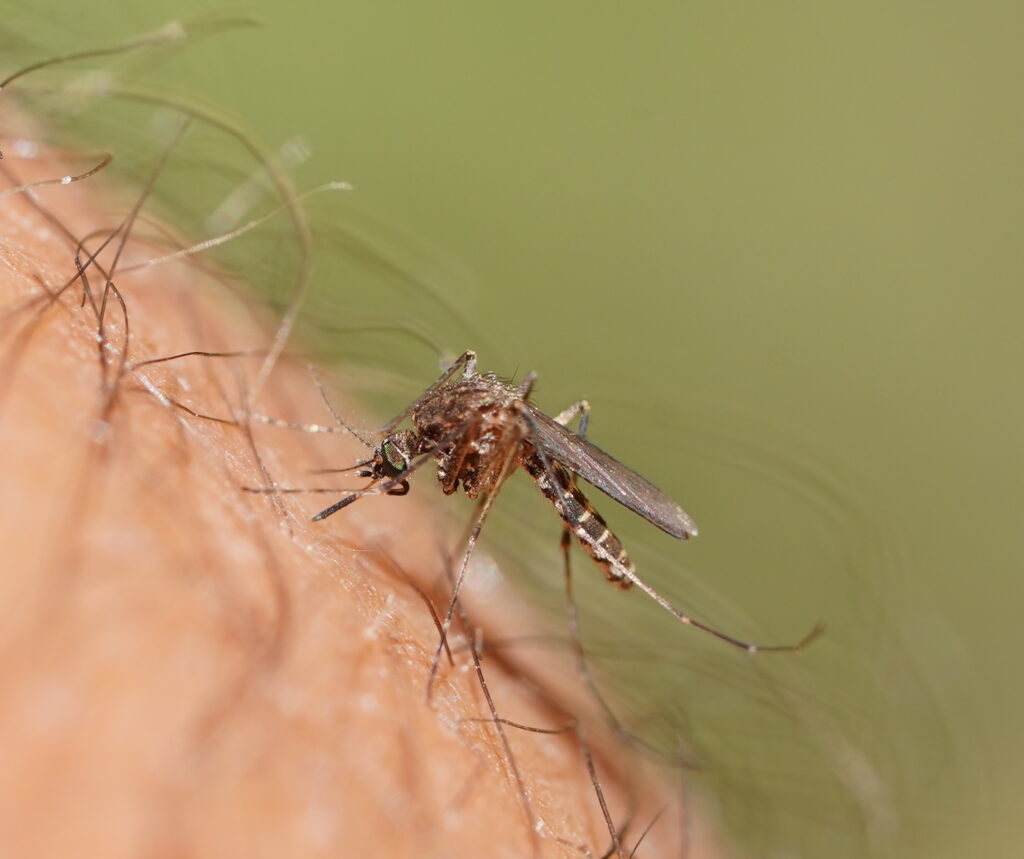
Scientists at CSIRO’s Australian Centre for Disease Preparedness (ACDP) provided diagnostic testing and outbreak response support when a widespread outbreak of Japanese encephalitis occurred in piggeries in southern Queensland, New South Wales, Victoria and South Australia. What is Japanese encephalitis? Japanese encephalitis (JE) virus is a potentially fatal disease that infects about 100,000 people worldwide […]
Piloting the Australian Environmental Health (AusEnHealth) Strategic Planning Digital Twin

This ambitious one-year pilot project aims to understand the landscape of Australian environmental health data collection at both state and national levels. Rising temperatures, more extreme weather, and increasing carbon dioxide levels impact on water and food supply, degrade living conditions, increase social inequities, change vector ecology, increase air pollution and allergens, and impact on […]
Delivering Data to Improve Reporting on Australia’s Environment

Australia’s national research infrastructures are working together to streamline access to integrated data for State of the Environment reporting and other environmental assessments. The collaborative project is ensuring easy, open access to comparable, time-series datasets for key measures of the state of Australia’s environment and biodiversity. Every five years, the Australian Government delivers the State […]
AuScope underpins Julimar polymetallic minerals discovery

In November 2021, Chalice Mining Limited released a maiden resource statement for the Julimar polymetallic mineral deposit on Wadjuk Country in Western Australia. This is an exciting milestone for Chalice on the path to delivering palladium, nickel, copper and platinum for clean energy technologies. Equally impressive is the decades-long backstory to the Julimar discovery, which […]
Carpentries Partnership for Australia to Uplift Digital Research Skills

A new partnership between 10 Australian research institutions will train instructors in The Carpentries, a proven method for teaching digital research skills to researchers. We are pleased to announce a new partnership between 10 Australian research institutions to train instructors in The Carpentries digital research skills. The partnership will be announced today at the ARDC Digital […]
Launching DReSA: A Portal for Digital Research Training in Australasia

DReSA is a portal for discovering digital research training events, materials, providers and trainers in Australia, New Zealand, and the region. We are excited to announce the launch of Digital Research Skills Australasia (DReSA), a portal for discovering digital research training events, materials, providers and trainers in Australia, New Zealand, and the region. The portal launched […]
AuScope earthquake hunters catch record-breaking quake
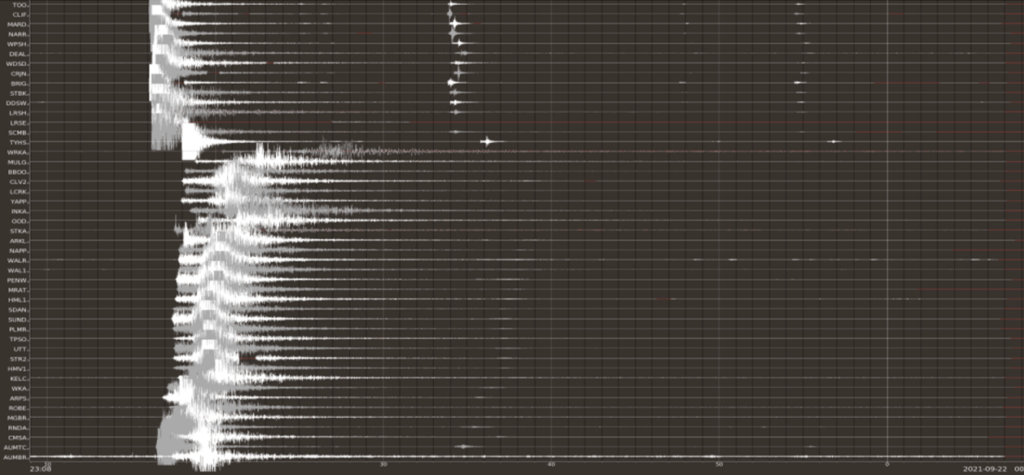
Hold onto your coffee cups and comfort the dog. This morning’s earthquake in southeastern Australia, which is perhaps the largest in the region in 200 years, thankfully has not yet caused any injuries. It has, however, provided AuScope geoscientists with the opportunity to put their earthquake hunter hats on and investigate this record-breaking moment. Here […]
From planets to pandemics: translating science in challenging times

After years of building NCRIS enabled software to address geodynamics problems, researcher and AuScoper from The University of Melbourne, Rohan Byrne, found an opportunity to turn his Everest code to help model COVID-19 mobility data during Melbourne’s 2020 and 2021 lockdown periods. Here, Rohan shares his story. JC — Rohan, please tell us what you […]
Mysterious Lithium-Producing Stars Analysed on Nectar

Dr Simon Campbell, ARC Future Fellow at Monash University, is unravelling the origin of the elements in the universe, one ARDC Nectar Research Cloud processor at a time. Here on Earth, Lithium is used in electric cars, giant solar-storage batteries, medicine, mobile phone batteries and heat resistant glass, but little is known about how the […]
Improving Environmental Decision Making with Research Platforms

Over 7,000 users based at 400 different institutions in 35 countries have accessed ARDC-supported digital research platforms for ecological modelling to inform environmental research and decision making. Australia’s Environment Is in a State of Decline In a 2020 independent review of Australia’s environmental legislation, the Environment Protection and Biodiversity Conservation Act 1999, Prof Graeme Samuel […]
Australian Urban Health Indicators
Creating new health indicators that improve the understanding of the health of Australian urban and regional populations Australian Urban Health Indicators (AusUrb-HI) is a collaboration between NCRIS facilities – the Australian Urban Research Infrastructure Network (AURIN), the Australian Research Data Commons (ARDC) and the Population Health Research Network (PHRN) – and researchers, that will develop a suite of new indicator data […]
Nano-thin piezoelectrics advance self-powered electronics

A new type of ultra-efficient, nano-thin material could advance self-powered electronics, wearable technologies and even deliver pacemakers powered by heart beats. The flexible and printable piezoelectric material, which can convert mechanical pressure into electrical energy, has been developed by an Australian research team led by RMIT University. It is 100,000 times thinner than a human […]
Engineers devise new method to remove harmful E. coli from water

Engineers at Monash University have developed a new solar filtration method to remove deadly bacteria, such as E. coli, from water using a safe and low-cost material: graphitic carbon nitride with polyethylenimine. This builds on previous solar filtration technologies but has one key benefit, it does not leach metals back into the water to create secondary […]
Uncovering a rare autoinflammatory disease

Phenomics Australia has enabled an international research consortium to identify the genetic cause of a previously undiagnosed autoinflammatory disease (CRIA Syndrome). The challenge: effective CRIA Syndrome treatment is limited. Humans suffering from this rare condition present a series of painful symptoms of unknown cause, including periodic fevers and swollen lymph nodes, recurring from early childhood […]
Australian cities are quiet during lockdown. Earthquake scientists are making the most of it

Our responses to the COVID-19 pandemic have dramatically changed human activity all over the world. People are working from home, schools are closed in many places, travel is restricted, and in some cases only essential shops and businesses are open. Scientists see signs of these changes wherever they look. Carbon dioxide emissions are down, air […]
EcoCommons

A world-first collaborative commons for analysing and modelling ecological and environmental challenges. The Challenge Our planet is facing massive biodiversity loss due to overexploitation of species, invasive species, pollution, climate change and the degradation, fragmentation and destruction of habitats. Decision makers concerned with biodiversity need powerful computing and analytical capabilities to help navigate this challenge […]
Liveability For All On Our Urban Fringes

NCRIS-enabled projects AURIN and TERN are delivering data and analysis tools to support research and planning for more sustainable urban environments. Discussions around suburban sprawl have made headlines in recent months as the reality of life at the fringes is revealed for new residents. Many were attracted to new outer suburb developments, or exurbs, by the promise […]
Tree shade and children’s walking routes – combating skin cancer and obesity in children

Improved modelling of the health and well-being of Australians supports evidence-based health policy and health services planning. Australia has one of the highest rates of skin cancer in the world and school children are amongst the most vulnerable to harmful UV exposure. By contrast, exposure to the sun allows for sufficient vitamin D levels in […]
Transistors from thin air
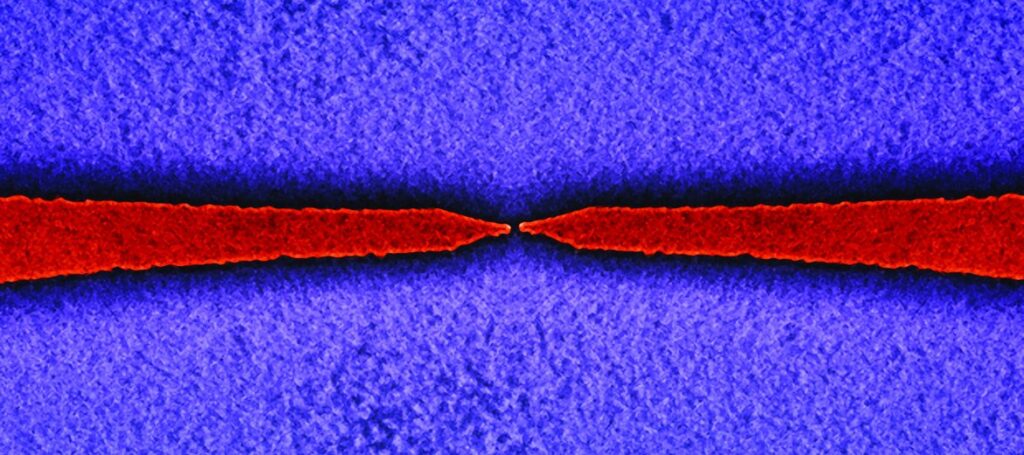
Next-generation transistors may revolutionise electronics The transistor is the building block for all electronics, and typically involves sending electrical currents through silicon. Every computer and phone has millions to billions of silicon electronic transistors, but this technology is reaching its physical limits where the silicon atoms get in the way of the current flow, limiting […]
National Network of Trusted Data Repositories

The Trusted Data Repositories for the National Imaging Facility project brought together researchers and informatics specialists from UQ’s Centre for Advanced Imaging (CAI), Monash Biomedical Imaging (MBI), Monash eResearch Centre, the University of Western Australia, RCC (Research Computing Centre, UQ) and the University of NSW to establish best practices for TDRs to store imaging data […]
Linked Data and the Reduction in Cervical Cancer in Australia

Data linkage has had a significant role in the reduction in cervical cancer in Australia. Preventing cervical cancer The Human Papilloma Virus (HPV) vaccine is a powerful tool for the prevention of cervical cancer. It was developed by industry, based on critical research done at the University of Queensland. Australia was the first country in the world to introduce […]