

Australian technologies on the path to real-world use

The Australian National Fabrication Facility (ANFF) works with small and medium enterprises (SMEs) as they develop new technologies and devices and move them beyond the lab. For many SMEs, this is the stage where ideas become physical, functional and repeatable. Access to the right tools, facilities and hands-on expertise makes the difference between something that […]
The unseen engine

How Australia’s investment in research and infrastructure is forging global quantum leadership Over the past 20 years, Australia has quietly secured a position at the forefront of the quantum revolution. Not only are we building some of the world’s first commercial quantum computers but quantum science is being employed in a new generation of sensors, […]
Same city, different worlds – a tale of two suburbs

If a picture tells a thousand words, a map can tell a million. AURIN is developing a series of interactive story telling maps – AURIN Data Tales – to highlight the data access and analytics capability we offer and provide real-world examples of urban challenges, presented in an engaging way to inspire further research and […]
Urban greening for health

On average, someone is hospitalised for a heart attack every 9 minutes, according to the National Heart Foundation of Australia. And the toll on taxpayers runs into billions each year. Reduced cardiovascular disease Few studies have explored whether health benefits from urban greening translate into reduced healthcare expenditure. Study co-lead Professor Xiaoqi Feng from the University […]
Research Impact: AURIN data and infrastructure shaping a more sustainable urban future

Densifying the great Australian dream Owning a home is the great Australian dream. But as Australia’s population continues to grow, understanding how to plan and deliver housing is more important than ever. Urban planning therefore plays a critical role in government and industry decision-making, shaping where and how people live. Emeritus Professor Peter Newton has […]
Seeing through the smoke

Innovative infrared drone sensor technology offers a promising solution for early bushfire detection and effective firefighting. The end of winter and beginning of spring increasingly heralds a summer on fire. The devastation caused by the 2019-20 Black Summer remains seared in Australia’s collective memory. Yet, many Aussies have already forgotten how bad last summer was […]
NCRIS Turbo-Charges New mRNA Drugs

Therapeutics that use mRNA are a growing area of development and work by introducing the ‘’message” to make a therapeutic protein into the patient’s body, instead of the protein itself. This approach can revolutionise combatting many kinds of cancers, and for treating genetic and infectious diseases. Conventional strategies deliver mRNA drugs to tissues inside lipid […]
Binar CubeSats pioneer radiation detection technology

CubeSats – small satellites roughly 10cm in size – punch above their weight when it comes to space research. Their low weight and affordable components make space research cheaper and more accessible, and they are especially popular for Australian research institutions. The Binar Space Program, based at Western Australia’s Curtin University, specialises in CubeSats running […]
Unlocking the power of Australia’s Tier 1 supercomputer
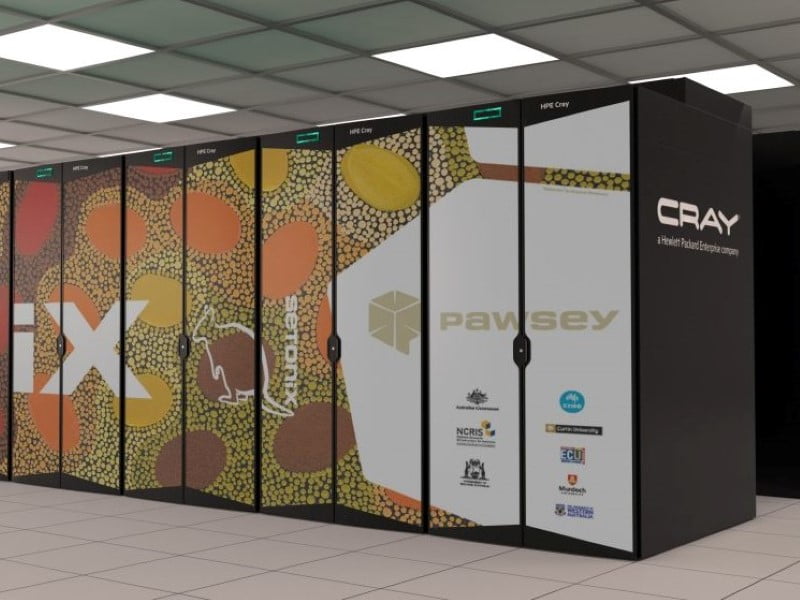
Through a national framework for trusted identity, accessing one of Australia’s Tier 1 supercomputers will become easier. The Pawsey Supercomputing Research Centre (Pawsey) is one of two Tier-1 high-performance computing facilities in Australia. Its primary function is to accelerate scientific research for the benefit of the nation. Pawsey’s service and expertise in supercomputing, data, cloud […]
Baseline monitoring of seagrass and macroalgal habitats for an integrated national response to extreme events

Background The frequency and severity of extreme events such as marine heatwaves, cyclones and flooding along Australia’s West Coast is increasing, however, the impact of such events on marine ecosystems cannot be determined without sufficient baseline data. For example, 36 percent of the total seagrass area in Shark Bay is thought to have died in […]
Partnering for impact with Australian industry
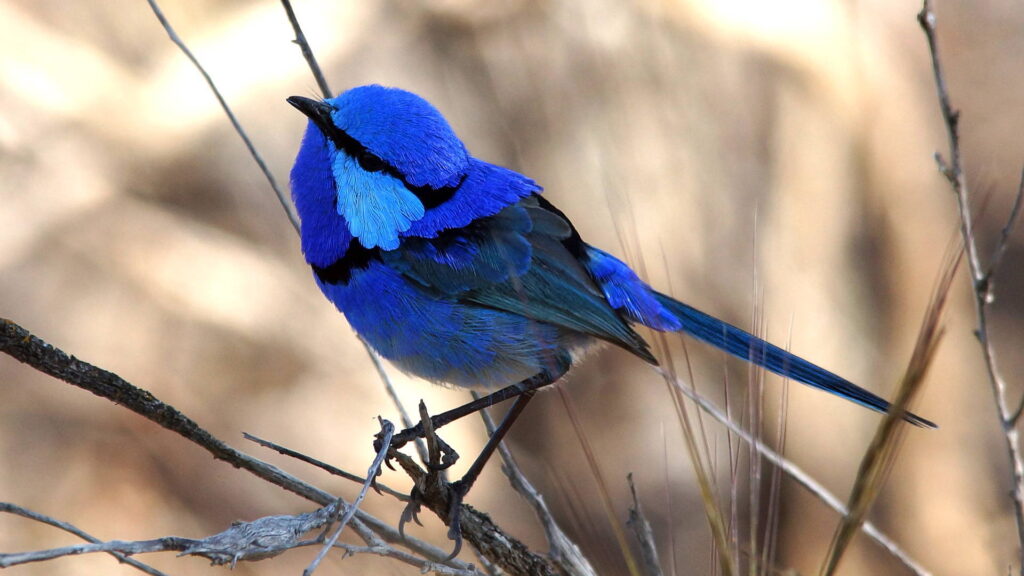
Supporting industry with data access The Atlas of Living Australia (ALA) is Australia’s national biodiversity data infrastructure. It allows industry, researchers, decision-makers and the community to contribute, access and analyse data on Australia’s plants, animals and fungi. The ALA is partnering with industry to leverage the power of biodiversity data and infrastructure to support business […]
ALA’s Indigenous Ecological Knowledge Program
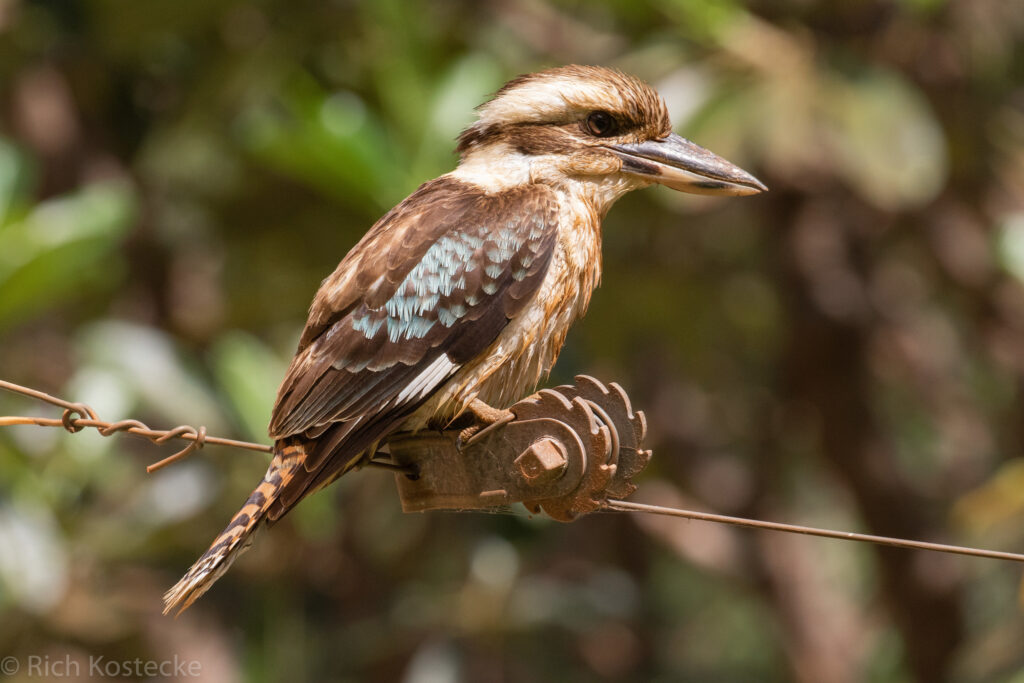
Connecting Traditional and Western science Indigenous Ecological Knowledge The Atlas of Living Australia’s (ALA) Indigenous Ecological Knowledge (IEK) program supports collaboration with our Aboriginal and Torres Strait Islander partners, promotes Indigenous ecological knowledge and languages, and links this knowledge to Western science. Indigenous ecological knowledge is based on thousands of years of studying native plants, animals and the […]
Supporting Australia’s food security and agriculture industry

Over 90% of fruit, vegetables, meat, milk, and eggs sold in Australia are domestically produced, and over half of Australia’s agricultural produce is exported. As an important contributor to the Australian economy, the gross value of Australia’s agricultural food production is forecast at $79 billion for 2023-24, and our agricultural exports are forecast at $65 […]
Enhancing Resilience and Flavor in Plant-Based Proteins: The Plant Protein Atlas Initiative

With the world’s population expected to reach unprecedented levels by 2050 and a 73% projected increase in meat consumption, there is an urgent need to double food production. Australia’s plant protein market is poised to reach an estimated value of $18 billion (AUD) by 2032, while the global plant protein food sector is projected to […]
Brain research supercharged by new ‘control panel’ accessible worldwide
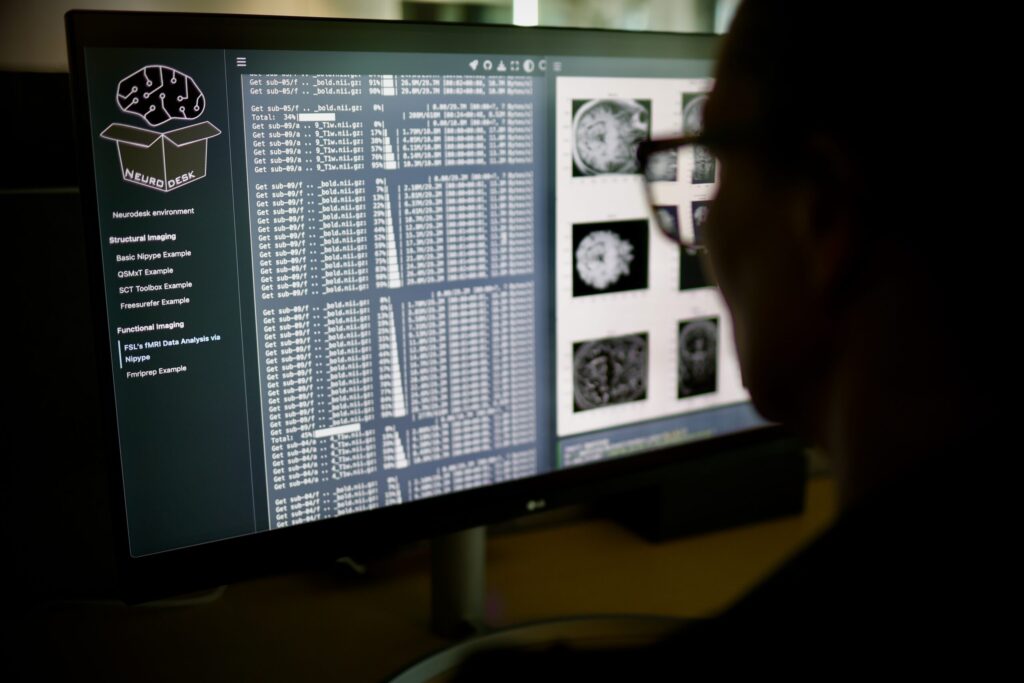
The flood of data from brain research worldwide has now been channelled into an easy-to-use, open-access processing tool built to supercharge our understanding of the human brain. Neurodesk – a platform for processing, analysing and sharing massive datasets – has solved critical issues in the search for answers about brain disorders and diseases such as epilepsy, […]
Data sharing platform to transform Ag industry

AgReFed helps researchers and industry professionals find and analyse trusted, reusable agricultural data from across Australia. An ARDC-supported national partnership is helping to advance the country’s agricultural sector through innovative application of digital technology. The Agricultural Research Federation (AgReFed) is an Australian platform that aims to improve the discoverability of trusted, reusable, and analysis-ready agri-data […]
Record-breaking fast radio burst discovery highlights synergies between ESO and SKA

A global team led by Macquarie University’s Dr Stuart Ryder and Swinburne University of Technology’s Associate Professor Ryan Shannon have discovered the most distant fast radio burst ever detected, and one of the most energetic. The team determined its location and distance from Earth by using a combination of the world’s best optical and radio […]
A true partnership to improve position, navigation and timing services in Australia
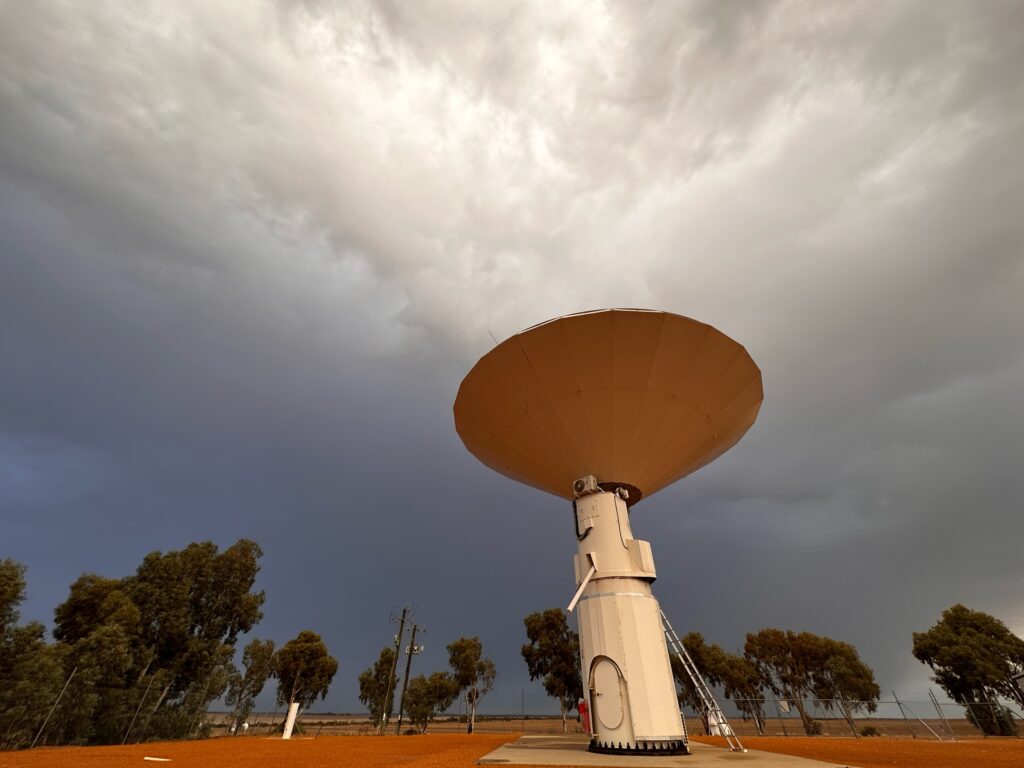
What do precision agriculture, weather predictions and synchronising financial transactions all have in common? They rely on geodesy, the science of measuring the Earth that enables all Positioning, Navigation and Timing (PNT) applications that are used in everyday life. This exact science underpins the global geospatial economy, which has a value of at least US$1 […]
Clinical Trial Data Unlocked for Research with New National Platform

Health Data Australia is unlocking clinical trial data for research at a national scale. For the first time in Australia, researchers can find clinical trial data from multiple research institutions and request access to it via a new platform, Health Data Australia. Launching tomorrow at SAHMRI in Adelaide, Health Data Australia allows clinical trialists and data […]
Analysing asteroids to prevent collisions

Researchers have used advanced microscopy at our Curtin University linked laboratory to understand the longevity of rubble pile asteroids, revealing important findings for planetary defence. Rubble pile asteroids are made up of the rubble left behind after a single, giant asteroid, called a monolithic asteroid, is broken apart by a collision. Evidence points to monolithic […]
Major upgrade to outback telescope a resounding success
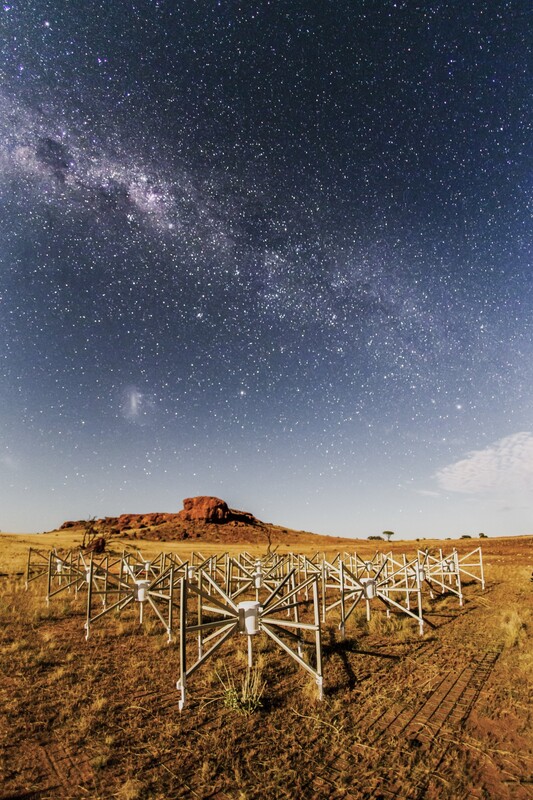
Last year, a $1 million Australian Government grant enabled the Murchison Widefield Array (MWA) to undergo ‘brain surgery’ – its resulting processing capability is being hailed as a significant technological achievement and feat of software engineering. The project might seem simple in concept: replace the insides of the MWA telescope’s computing racks. Of course, this […]
Monitoring algal blooms in a changing climate: IMOS collaboration

Researchers have used IMOS’s Ocean Gliders along with Microscopy Australia’s microscopes to better understand Western Australia’s major algal blooms in 2021. South West Western Australia experienced an exceptionally wet winter in 2021, with significantly higher than average rainfall causing an increased outflow of water from many rivers along the south west coast during the period […]
ADACS gives astronomers a vital boost in their effort to make a gravitational map of the southern universe
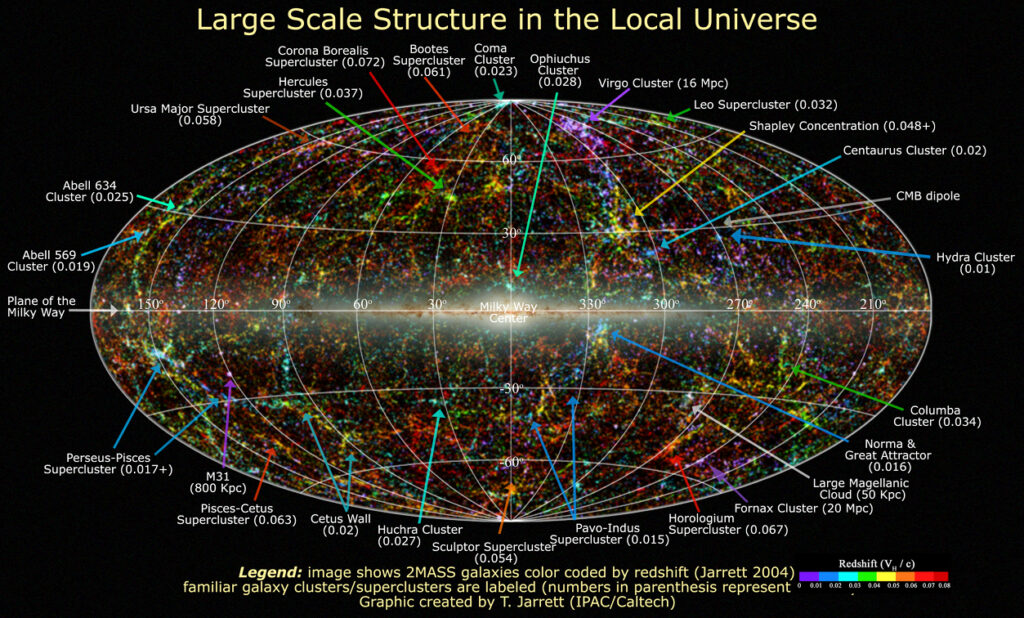
In the era of big data, Australian astronomers have a powerful strategic advantage to help them extract insights from the immense data volumes that characterise modern astronomy. Astronomy Data and Computing Services (ADACS) – delivered jointly by Swinburne University of Technology and Curtin University – was established by AAL in 2017 to remove the computational […]
How data linkage can improve the health of older people

Older people, despite bearing the burden of chronic disease and being more likely to take prescription drugs older people are under-represented in clinical trials. Studying older people When pharmaceutical companies do clinical trials, people over the age of 70 are often excluded. It’s partly ageism, says Professor Leon Flicker, a geriatric medicine specialist at The University of Western Australia. […]
Piloting the Australian Environmental Health (AusEnHealth) Strategic Planning Digital Twin

This ambitious one-year pilot project aims to understand the landscape of Australian environmental health data collection at both state and national levels. Rising temperatures, more extreme weather, and increasing carbon dioxide levels impact on water and food supply, degrade living conditions, increase social inequities, change vector ecology, increase air pollution and allergens, and impact on […]
Delivering Data to Improve Reporting on Australia’s Environment

Australia’s national research infrastructures are working together to streamline access to integrated data for State of the Environment reporting and other environmental assessments. The collaborative project is ensuring easy, open access to comparable, time-series datasets for key measures of the state of Australia’s environment and biodiversity. Every five years, the Australian Government delivers the State […]
AuScope underpins Julimar polymetallic minerals discovery

In November 2021, Chalice Mining Limited released a maiden resource statement for the Julimar polymetallic mineral deposit on Wadjuk Country in Western Australia. This is an exciting milestone for Chalice on the path to delivering palladium, nickel, copper and platinum for clean energy technologies. Equally impressive is the decades-long backstory to the Julimar discovery, which […]
Carpentries Partnership for Australia to Uplift Digital Research Skills

A new partnership between 10 Australian research institutions will train instructors in The Carpentries, a proven method for teaching digital research skills to researchers. We are pleased to announce a new partnership between 10 Australian research institutions to train instructors in The Carpentries digital research skills. The partnership will be announced today at the ARDC Digital […]
Launching DReSA: A Portal for Digital Research Training in Australasia
DReSA is a portal for discovering digital research training events, materials, providers and trainers in Australia, New Zealand, and the region. We are excited to announce the launch of Digital Research Skills Australasia (DReSA), a portal for discovering digital research training events, materials, providers and trainers in Australia, New Zealand, and the region. The portal launched […]
Mysterious Lithium-Producing Stars Analysed on Nectar

Dr Simon Campbell, ARC Future Fellow at Monash University, is unravelling the origin of the elements in the universe, one ARDC Nectar Research Cloud processor at a time. Here on Earth, Lithium is used in electric cars, giant solar-storage batteries, medicine, mobile phone batteries and heat resistant glass, but little is known about how the […]
EcoCommons

A world-first collaborative commons for analysing and modelling ecological and environmental challenges. The Challenge Our planet is facing massive biodiversity loss due to overexploitation of species, invasive species, pollution, climate change and the degradation, fragmentation and destruction of habitats. Decision makers concerned with biodiversity need powerful computing and analytical capabilities to help navigate this challenge […]
Observing the Universe With the MWA

The ARDC-supported All Sky Virtual Observatory (ASVO) serves as a data portal to distribute MWA data to the international astronomical community. Operational in Western Australia since 2013, the Murchison Widefield Array (MWA) is now in its second phase, with double the number of antennas and ten times the resolution. A total of 4,096 antennas now […]
National Network of Trusted Data Repositories

The Trusted Data Repositories for the National Imaging Facility project brought together researchers and informatics specialists from UQ’s Centre for Advanced Imaging (CAI), Monash Biomedical Imaging (MBI), Monash eResearch Centre, the University of Western Australia, RCC (Research Computing Centre, UQ) and the University of NSW to establish best practices for TDRs to store imaging data […]
Better cholesterol imaging

An international team of researchers has developed a new way to localise cholesterol is in cells and tissues. This provides insights into how cholesterol moves in and out of cells and could eventually lead to new therapies for cardiovascular disease. Deuterated cholesterol enabled by the National Deuteration Facility and NanoSIMS (nano-Secondary Ion Mass Spectroscopy) at […]