Forecasting ocean currents reduce environmental impact and cost of global shipping

Biological and life sciences, Earth sciences, Environmental management and policy, Environmental sciences and technologies, Marine research and ocean industries
Each day more than 50,000 cargo ships travel the world’s oceans, carrying about 90% of all goods traded worldwide. Global shipping is an enormous industry and responsible for 3% of the world’s greenhouse gas emissions. If the shipping industry were a country, it would rank as the sixth-largest emitter of greenhouse gases.
CSIRO research vessel (RV) Investigator has enabled a range of research to increase understanding of ocean dynamics and currents within Australia’s maritime territory.
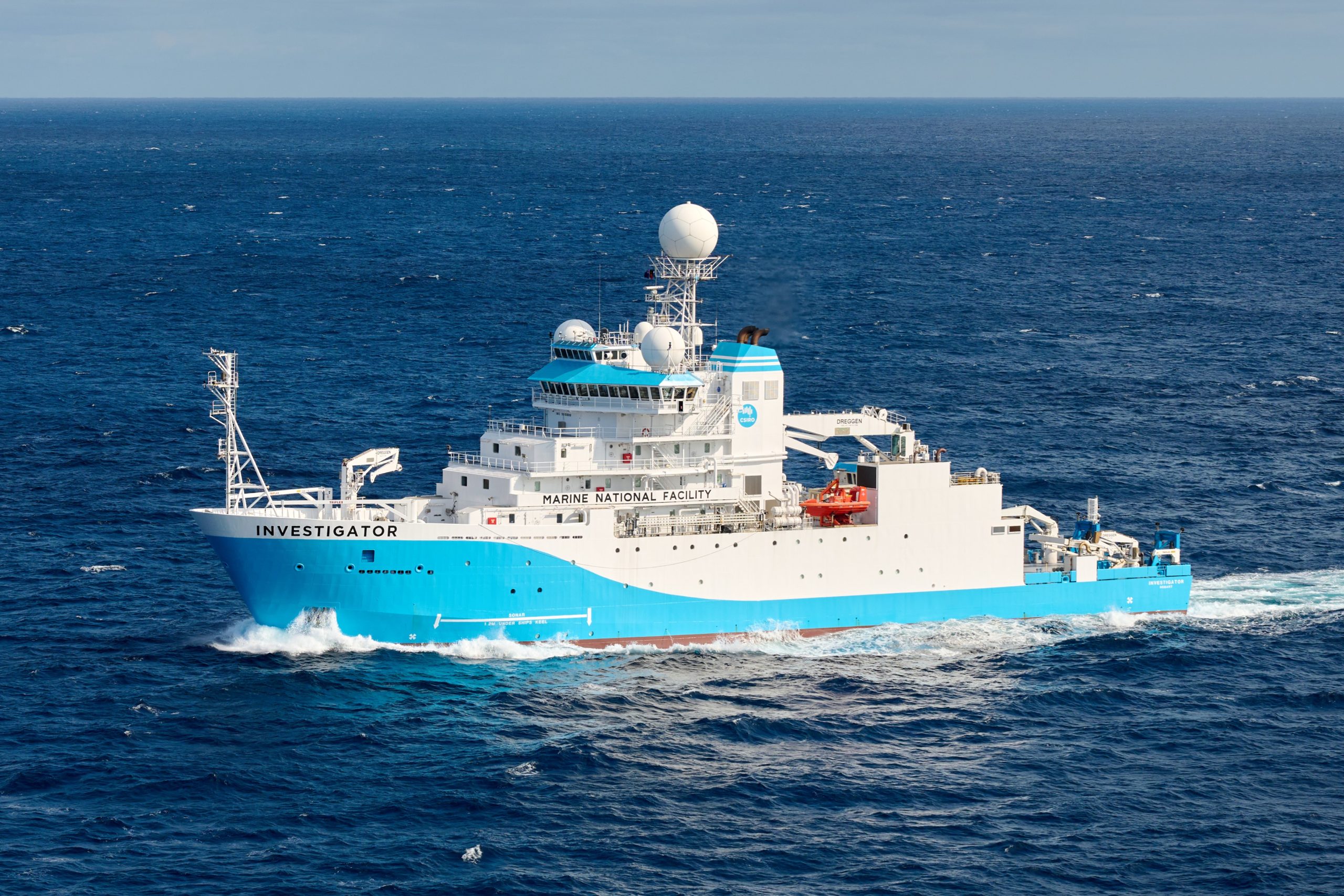
A large blue and white ship on the ocean.
CSIRO research vessel (RV) Investigator

In 2023, a research voyage led by the University of NSW(UNSW) enabled essential ocean data to be gathered to validate observations of the newly launched Surface Water and Ocean Topography satellite. This research was only possible due to the large number of data streams that RV Investigator can collect. This data supported UNSW researchers in the development of a model to forecast ocean currents so that commercial shipping can then harness these currents to find more efficient routes across the ocean. This model will deliver ocean forecasts to the shipping industry under UNSW Sydney spinout company CounterCurrent.

 Beyond shipping, this research also supports search and rescue operations, fisheries management and enhanced situational awareness for defence, demonstrating how ocean science delivers practical benefits well beyond the research community.

Square_Marine