
Research Impact: School provision, workforce distribution, housing, and the staffing of schools in Sydney

More children and young people are accessing schooling than at any other point in history. This is largely due to the pursuit of Sustainable Development Goal 4 (SGD4), which aims to “ensure inclusive and equitable quality education and promote lifelong learning opportunities for all.” In tandem with the millennial development goals, this has contributed to […]
AARNet

AARNet is Australia’s national research and education network, a not-for-profit organisation equally owned by 38 Australian universities and CSIRO. AARNet provides essential high-speed internet and advanced network services tailored to meet the specialised needs of researchers in Australia.
New brain imaging set to improve and speed epilepsy diagnosis, treatment
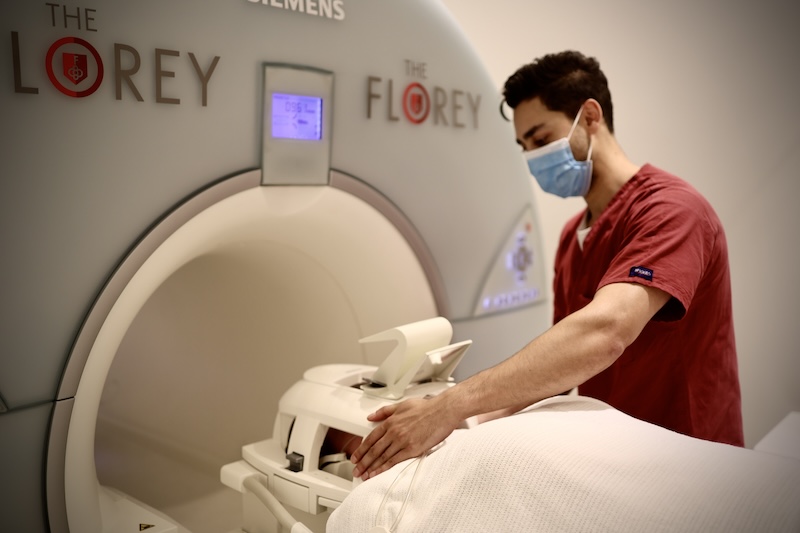
Novel imaging methods combined with cognitive, genetic and medical data will use AI to increase the speed and accuracy of diagnoses and treatment for epilepsy patients, according to researchers working collaboratively with NIF. Advanced MRI imaging methods are helping Australian epilepsy researchers move closer to faster, more accurate, individualised diagnoses and treatment options for patients. […]
Integrated Marine Observing System (IMOS)
IMOS is a national collaborative research infrastructure, undertaking systematic, sustained and scientifically-robust observations of our vast and valuable marine estate. All IMOS observations are made discoverable and accessible via the Australian Ocean Data Network (AODN) platform, using FAIR data principles. Additional data is incorporated into the AODN from a wide range of partner organisations including research institutions, federal and state government departments, and private industry.
Australian Access Federation (AAF)

The Australian Access Federation (AAF) is Australia’s leading provider of identity and access management services to the education and research sector. We make it easy for people to securely access education and research services nationally and internationally, by providing single sign-on. It allows individuals from different organisations to collaborate and access online resources within a trusted environment.
Pawsey Supercomputing Research Centre (Pawsey)

Pawsey Supercomputing Research Centre, Australia’s leading Tier-1 high-performance computing facility, is advancing research and innovation by providing cutting-edge supercomputing, data and visualisation infrastructure and expertise. From accelerating breakthroughs in medicine and climate science to unlocking the mysteries of the universe, Pawsey is at the forefront of driving discovery and advancing knowledge.