
AARNet

AARNet is Australia’s national research and education network, a not-for-profit organisation equally owned by 38 Australian universities and CSIRO. AARNet provides essential high-speed internet and advanced network services tailored to meet the specialised needs of researchers in Australia.
Australian Research Data Commons (ARDC)

The Australian Research Data Commons (ARDC) provides Australian researchers with competitive advantage through data. It accelerates research and innovation by driving excellence in the creation, analysis and retention of high-quality data assets. The ARDC is enabled by the National Collaborative Research Infrastructure Strategy (NCRIS). NCRIS is a national network of world-class research infrastructure projects that support high-quality research that will drive greater innovation in the Australian research sector and the economy more broadly.
National Imaging Facility (NIF)

National Imaging Facility (NIF) is Australia’s advanced imaging network. We provide open access to world-class imaging equipment, expertise, tools, data and analysis. We address Australia’s strategic science and research priorities, and this benefits Australian industry and helps keep Australians healthy.
Australian Access Federation (AAF)

The Australian Access Federation (AAF) is Australia’s leading provider of identity and access management services to the education and research sector. We make it easy for people to securely access education and research services nationally and internationally, by providing single sign-on. It allows individuals from different organisations to collaborate and access online resources within a trusted environment.
Pawsey Supercomputing Research Centre (Pawsey)

Pawsey Supercomputing Research Centre, Australia’s leading Tier-1 high-performance computing facility, is advancing research and innovation by providing cutting-edge supercomputing, data and visualisation infrastructure and expertise. From accelerating breakthroughs in medicine and climate science to unlocking the mysteries of the universe, Pawsey is at the forefront of driving discovery and advancing knowledge.
Australian Centre for Disease Preparedness (ACDP)

ACDP helps protect Australia’s multi-billion dollar livestock and aquaculture industries, and the general public, from emerging infectious disease threats. It is a high-containment facility designed to allow scientific research into the most dangerous infectious agents in the world.
Phenomics Australia (PA)
Phenomics Australia provides a national capability to explore the human genome and the genetic basis of health and disease. Our openly accessible service delivery centres span twenty locations across Australia. Through these, we offer specialised infrastructure, research services and technical expertise dedicated to advancing our fundamental understanding of health and disease and enabling next-generation innovations in healthcare and therapeutic development to benefit all Australians.
Microscopy Australia (MicroAu)

Microscopy Australia provides researchers and industry with open access to the nation’s largest range of high-end microscopes, microanalysis tools, and specialists. It consists of university-based microscopy centres around the country. Our instruments have dedicated experts to deliver high quality training and support to ensure you get the best research outcomes.
Heavy Ion Accelerators (HIA)

Our $150M world-class accelerator facilities for high-energy ion beam research represents decades of strategic investment by the Australian National University, the University of Melbourne, our industry partners and the Australian Government. With R&D capabilities unparalleled in Australia and matched by few globally, we support research activities in sectors of national priority, including quantum computing, space and astronomy, advanced materials, environment and climate, cancer therapies, minerals exploration, and fundamental nuclear science.
Protein discovery for better bowel cancer treatments
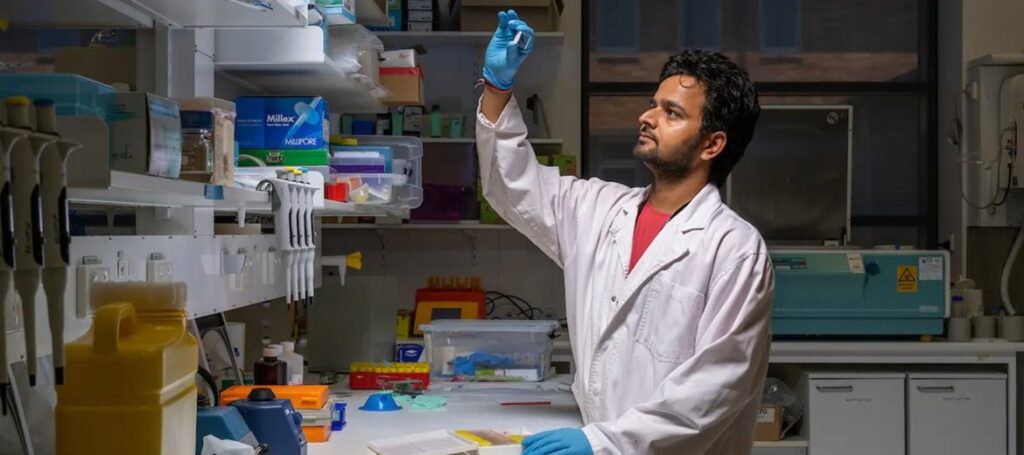
Bowel cancer claims more than 100 lives in Australia every week. Thankfully, researchers at the Australian National University (ANU) have discovered that an immune protein can slow the division of bowel cancer cells. This is a promising target for both early detection tests and bowel cancer treatments. DR ABHIMANU PANDEY SAYS AN IMMUNE SYSTEM PROTEIN […]
Biobanks: the Australian Phenome Bank

The Australian Phenome Bank: a national biobank and database aiding the discovery of genetic disease causes and advancing Personalised Medicine. Phenomics Australia’s Biobanking service provides a database and cryobank of mouse sperm and embryos essential for discovering and distributing disease models in Australia. The challenge: Ensuring the ongoing availability of mouse strains preserving the investment made in […]
CRISPR/Cas as diagnostics tools

Phenomics Australia NCRIS expertise is used in providing knowledge to look into the commercial and translational potential of CRISPR technology. Phenomics Australia’s long-term support of the In vivo Genome Engineering and Disease Modelling nodes over the years has allowed researchers at the Melbourne Advanced Genome Editing Center (MAGEC) to have a solid understanding of CRISPR/Cas […]
When food kills

Infrastructure and expertise supported by Phenomics Australia and Therapeutic Innovation Australia (TIA)are used in fighting food poisoning toxins. Prof Si Ming Man (right) and Dr Anukriti Mathur (left). Image Lannon Harley/ANU The challenge: Food poisoning is estimated to affect more than 4 million Australians every year – costing the economy $1.25 billion, and in some […]
A One Health approach to Japanese encephalitis
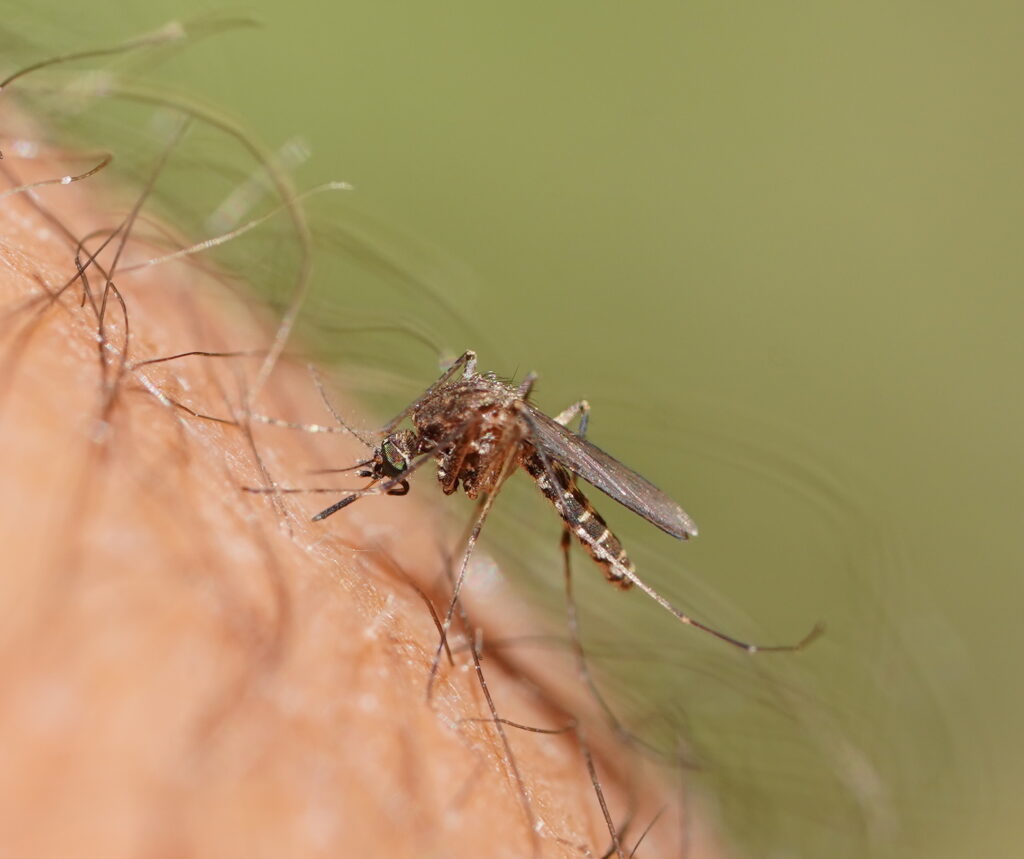
Scientists at CSIRO’s Australian Centre for Disease Preparedness (ACDP) provided diagnostic testing and outbreak response support when a widespread outbreak of Japanese encephalitis occurred in piggeries in southern Queensland, New South Wales, Victoria and South Australia. What is Japanese encephalitis? Japanese encephalitis (JE) virus is a potentially fatal disease that infects about 100,000 people worldwide […]