
Research Impact: Geospatial Factors Applied to Road Accidents

Road accidents are a major source of trauma worldwide. Over 1.3 million people are killed in road accidents annually, and collisions are a leading cause of death and injury across all age groups. Aside from the human cost of road accidents, there is a significant financial toll. The US Centre for Disease Control and Prevention […]
AARNet

AARNet is Australia’s national research and education network, a not-for-profit organisation equally owned by 38 Australian universities and CSIRO. AARNet provides essential high-speed internet and advanced network services tailored to meet the specialised needs of researchers in Australia.
TRI boosts medical research efficiency with FileSender
The Translational Research Institute’s integration of FileSender enables fast and secure data sharing, streamlining collaboration for vital medical research. The Translational Research Institute (TRI) is at the forefront of medical research, supporting diverse research projects that produce crucial data to further our understanding of complex diseases. The institute plays a key role in studies spanning cancer biology, […]
Powerful software reveals brain superhighway ‘tracts’ for surgery and research
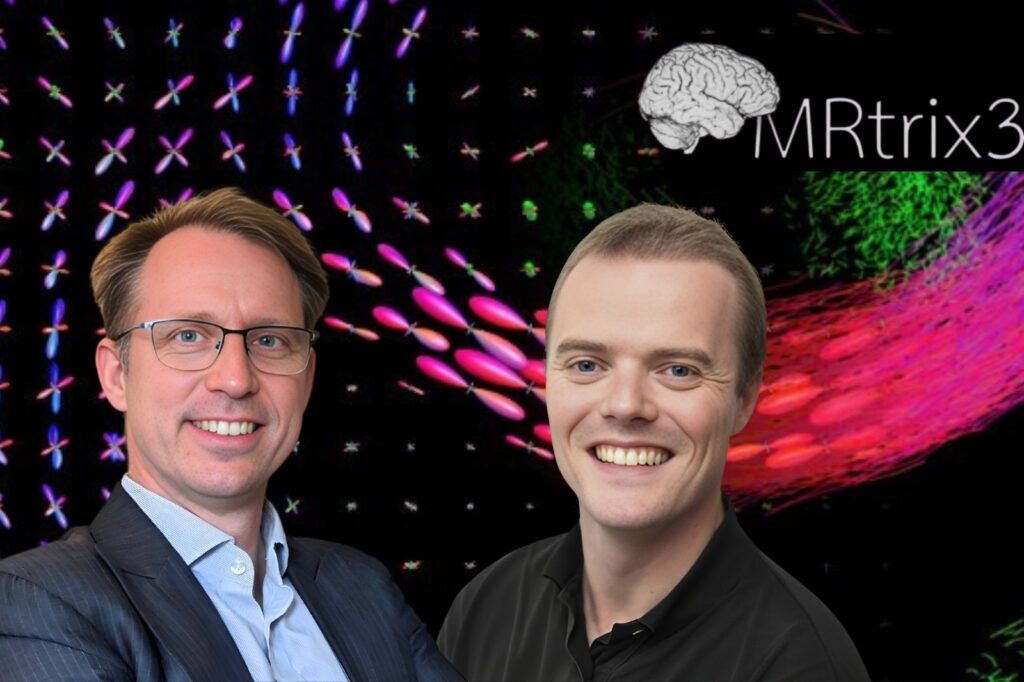
Our brains work a bit like highly advanced supercomputers, with bundles of white matter, known as ‘tracts,’ acting as superhighways that facilitate information flow and enable various brain functions. Injuries and disturbances in these tracts are linked to numerous neurological and psychiatric disorders. However, imaging these white matter tracts is challenging. These tracts are made […]
Streamlining remote sensing data transfers for environmental research
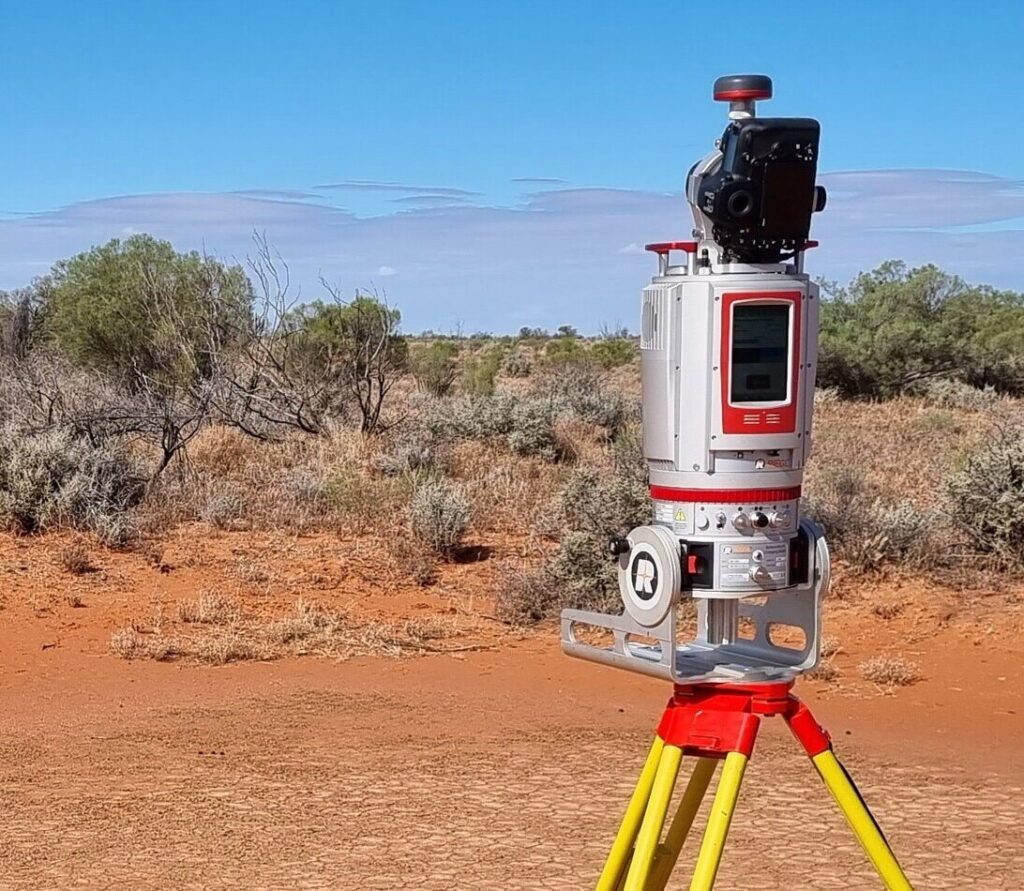
FileSender addresses the challenge of moving large datasets around for researchers participating in the Joint Remote Sensing Research Program. For environmental researchers, the volume of data generated by remote sensing technologies can be massive and challenging to manage. The Joint Remote Sensing Research Program (JRSRP) is a leader in this field, involving experts from academia […]
Enabling research and innovation to address climate change through trust and identity
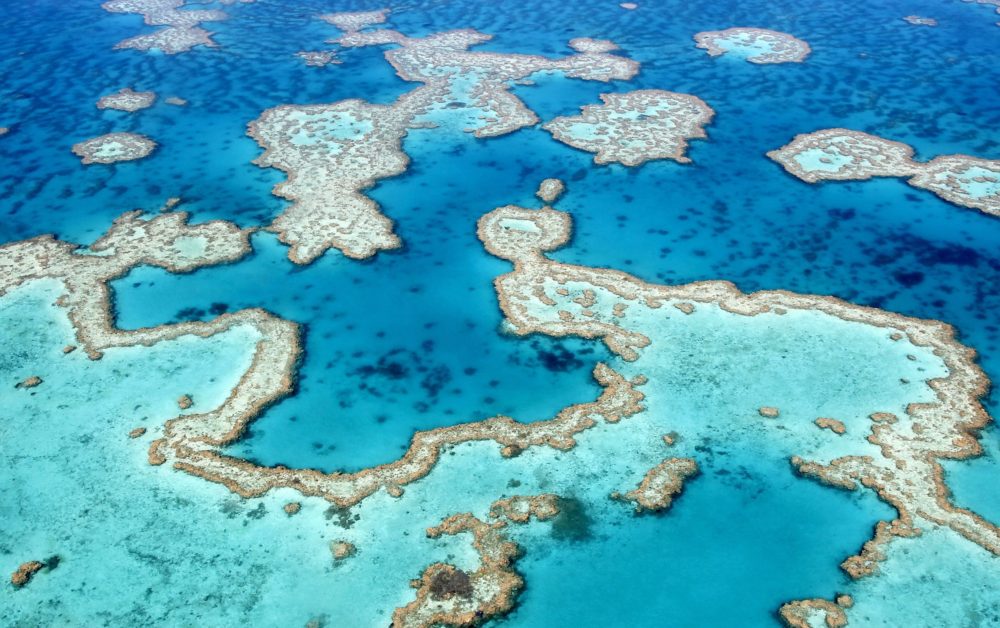
Understanding the usage of Australia’s critical climate change modelling software through user reporting, will inform the future of this service. ACCESS-NRI, Australia’s Climate Simulator, is the national critical research infrastructure that provides software engineering support for Earth system and climate research. Standing for the Australian Community Climate and Earth System Simulator – ACCESS – is […]
Unlocking the power of Australia’s Tier 1 supercomputer
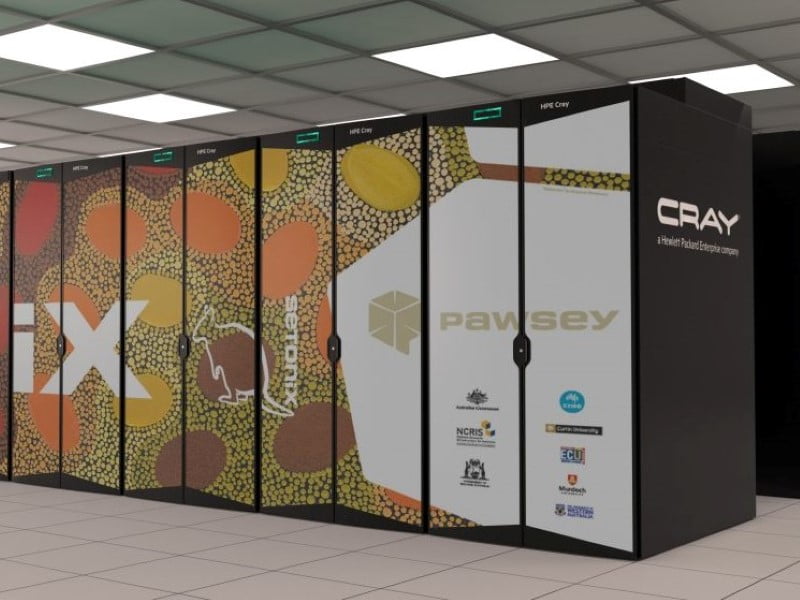
Through a national framework for trusted identity, accessing one of Australia’s Tier 1 supercomputers will become easier. The Pawsey Supercomputing Research Centre (Pawsey) is one of two Tier-1 high-performance computing facilities in Australia. Its primary function is to accelerate scientific research for the benefit of the nation. Pawsey’s service and expertise in supercomputing, data, cloud […]
First in-human images of new hope treatment for poor-prognosis prostate cancer
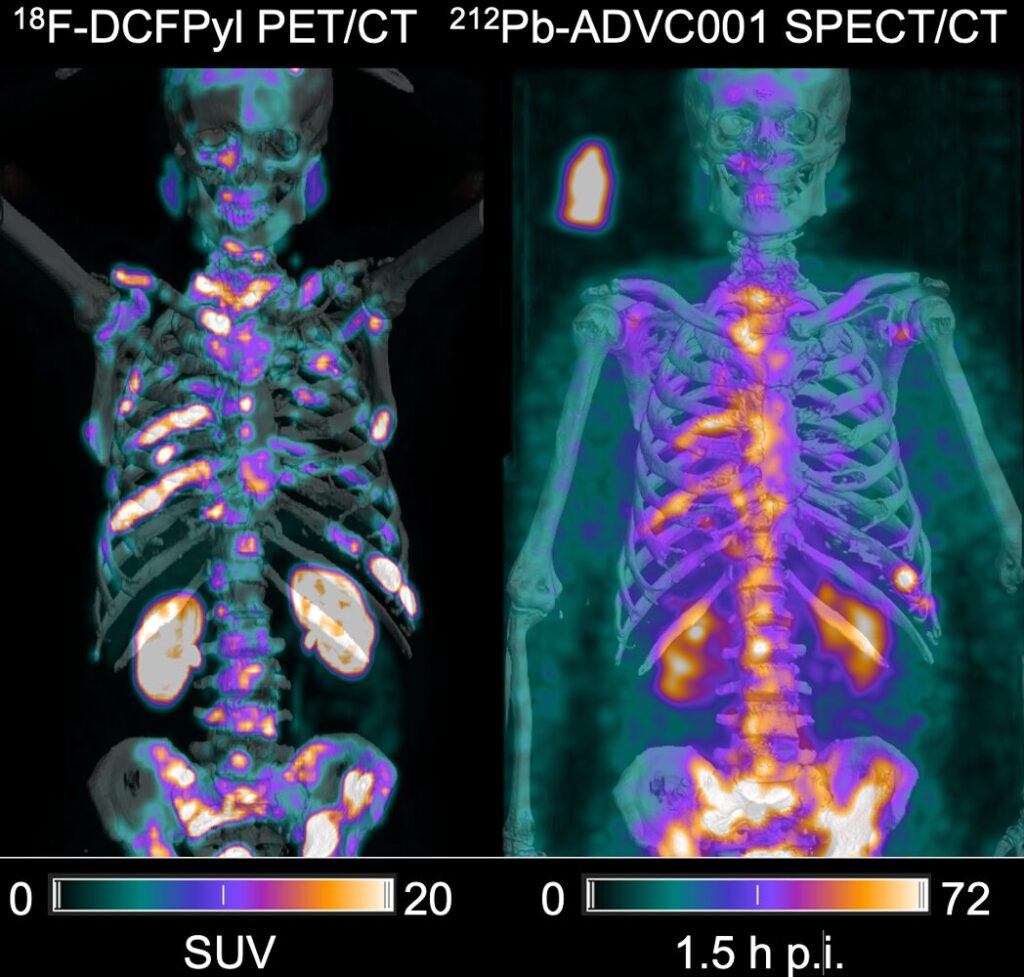
In a world first, supported by National Imaging Facility, Australian researchers have imaged and measured the uptake of a promising new prostate cancer therapy drug developed by Australian company AdvanCell, which was recently administered to its first patient in a clinical trial. Prostate cancer is the second most common cancer for men. Around 50% of […]
New brain imaging set to improve and speed epilepsy diagnosis, treatment
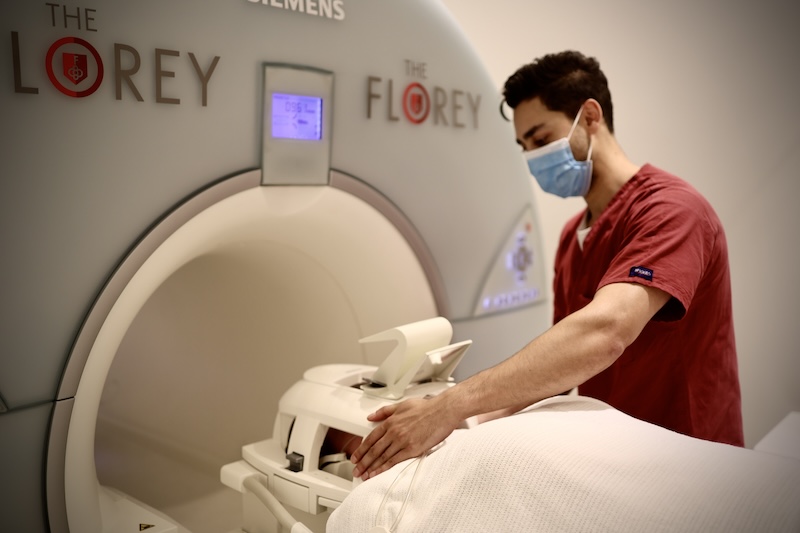
Novel imaging methods combined with cognitive, genetic and medical data will use AI to increase the speed and accuracy of diagnoses and treatment for epilepsy patients, according to researchers working collaboratively with NIF. Advanced MRI imaging methods are helping Australian epilepsy researchers move closer to faster, more accurate, individualised diagnoses and treatment options for patients. […]
Partnering for impact with Australian industry

Supporting industry with data access The Atlas of Living Australia (ALA) is Australia’s national biodiversity data infrastructure. It allows industry, researchers, decision-makers and the community to contribute, access and analyse data on Australia’s plants, animals and fungi. The ALA is partnering with industry to leverage the power of biodiversity data and infrastructure to support business […]
ALA’s Indigenous Ecological Knowledge Program

Connecting Traditional and Western science Indigenous Ecological Knowledge The Atlas of Living Australia’s (ALA) Indigenous Ecological Knowledge (IEK) program supports collaboration with our Aboriginal and Torres Strait Islander partners, promotes Indigenous ecological knowledge and languages, and links this knowledge to Western science. Indigenous ecological knowledge is based on thousands of years of studying native plants, animals and the […]
ALA helps to stop pests in their tracks

The Atlas of Living Australia (ALA) and its large network of biodiversity data providers are helping our national biosecurity system to protect Australia’s flora and fauna from the threat of invasive species. The ALA’s Biosecurity Alert System Australia is one of the most biodiverse continents on the planet, but the health of our environment, and agriculture, is under constant […]
State support injects big cash for upgrades and new national research infrastructure

National Collaborative Research Infrastructure Strategy (NCRIS)-supported programs have received nearly $30 million in co-investment from the New South Wales and Queensland Governments through the NCRIS Support Program and Research Infrastructure Co-Investment Fund (RICF), respectively. Co-funding arrangements such as the NCRIS Support Program and RICF are another way that NCRIS ensures that spending on research infrastructure […]
Data Without Borders: the role of Globus in international genome research
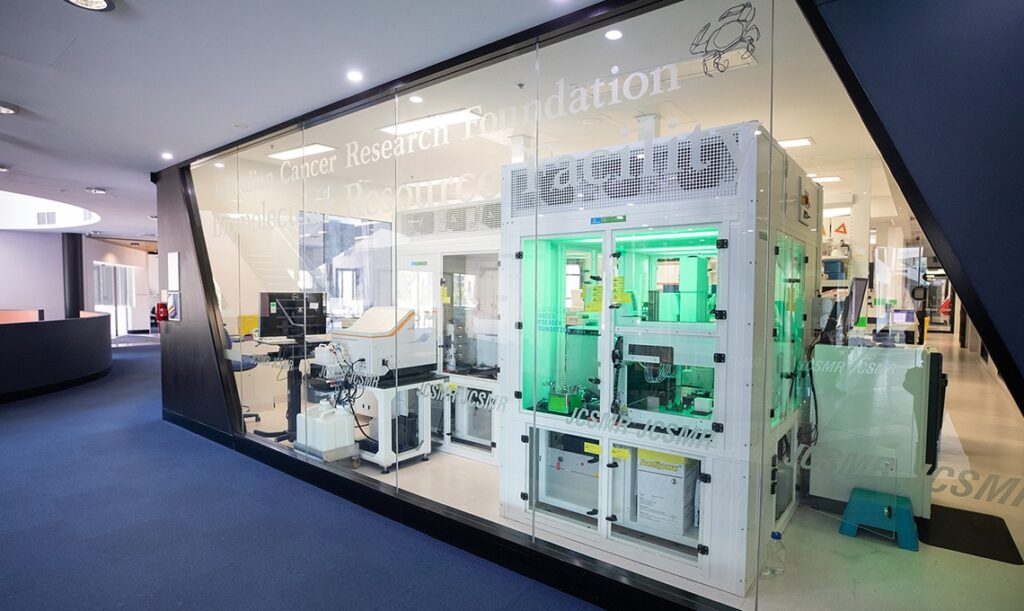
Genetics technical specialists at the Biomolecular Resource Facility are using the Globus data movement service through AARNet to share huge datasets with national and international collaborators. The Biomolecular Resource Facility (BRF) is located in Canberra within the John Curtin School of Medical Research at the Australian National University (ANU). As a core laboratory providing research […]
Future-proofing computational proteomics
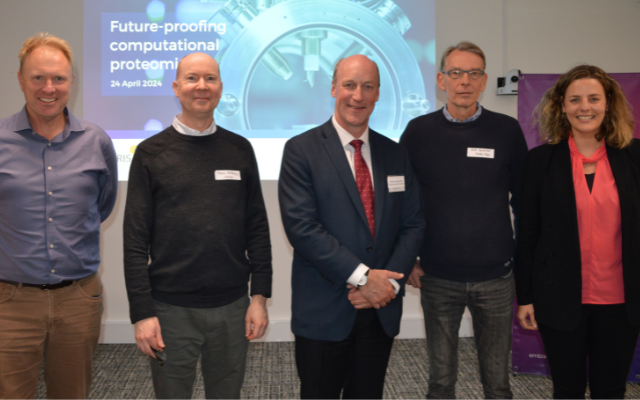
EMBL Australia and Bioplatforms Australia joined forces to host a pivotal proteomics workshop titled ‘Future-proofing Computational Proteomics’ on 24 April, featuring leading guest speakers, Dr Rolf Apweiler, Prof Marc Wilkins and Dr Richard Lipscombe. The Australian proteomics community discussed advancements in proteomics research and the pivotal role of computational approaches in shaping the future of […]
Australian health research infrastructure underpins world-first brain cancer collaboration
The NCRIS Health Group will support Australian brain cancer research through Brain Cancer Australia’s project to develop an integrated network of research platforms to improve patient outcomes, test new treatments and work toward a cure, with the announcement of a Medical Research Future Fund (MRFF) grant worth just under $6M. The project brings together clinicians, […]
Implanting a Revolution

Quantum computing is a revolution in progress, and Dr Shao Qi Lim is excited to be part of it. “I’m lucky to be part of this revolutionary field,” says Dr Lim, a postdoctoral fellow in the ARC Centre of Excellence for Quantum Computation and Communication Technology (CQC2T) based within the Experimental Condensed Matter Physics (ECMP) […]
Terrestrial Ecosystem Research Network (TERN)

Terrestrial Ecosystem Research Network is an NCRIS funded program. NCRIS is a national network of world-class research infrastructure projects that support high-quality research that will drive greater innovation in the Australian research sector and the economy more broadly.
National Computational Infrastructure (NCI)
The National Computational Infrastructure (NCI) is a nationally unique, NCRIS-funded facility comprising the country’s most powerful supercomputer alongside vast data repositories, data management expertise, data infrastructure and data services. NCI is Australia’s leading high-performance data, storage and computing organisation, providing expertise to benefit all domains of science, government and industry.
Australian Research Data Commons (ARDC)

The Australian Research Data Commons (ARDC) provides Australian researchers with competitive advantage through data. It accelerates research and innovation by driving excellence in the creation, analysis and retention of high-quality data assets. The ARDC is enabled by the National Collaborative Research Infrastructure Strategy (NCRIS). NCRIS is a national network of world-class research infrastructure projects that support high-quality research that will drive greater innovation in the Australian research sector and the economy more broadly.
Australian Plant Phenomics Network (APPN)

The Australian Plant Phenomics Network (APPN) delivers national research infrastructure and expertise to accelerate the development of improved crops for sustainable agriculture and food security in a changing climate.
Atlas of Living Australia (ALA)

The ALA is Australia’s national biodiversity data infrastructure. It allows researchers, decision makers and the community to contribute, access and analyse data on Australia’s plants, animals and fungi. The ALA also supports international research as the Australian node of the Global Biodiversity Information Facility.
Astronomy Australia Ltd (AAL)

Astronomy Australia Ltd (AAL) is an NCRIS funded program which was established for the purpose of liaising with the Australian astronomical community and managing investments in world-class astronomy infrastructure to enable Australia to continue to perform high-impact research and develop cutting-edge technologies. AAL, a not-for-profit company, directs NCRIS funding toward a variety of projects/facilities as guided by the AAL Board of Directors and its Advisory Committees. These bodies assess all current and future investments based on how they align with the criteria set out by the Decadal plan for Australian astronomy (2016-2025).
Marine National Facility (MNF)

From ice edge to equator, the Marine National Facility (MNF) is Australia’s dedicated ocean research capability which enables world-leading research to increase our understanding of Australia’s vast and valuable marine environment. The MNF is funded by the Australian Government’s National Collaborative Research Infrastructure Strategy (NCRIS) and operated by CSIRO on behalf of the nation.
Australian Access Federation (AAF)

The Australian Access Federation (AAF) is Australia’s leading provider of identity and access management services to the education and research sector. We make it easy for people to securely access education and research services nationally and internationally, by providing single sign-on. It allows individuals from different organisations to collaborate and access online resources within a trusted environment.
Pawsey Supercomputing Research Centre (Pawsey)

Pawsey Supercomputing Research Centre, Australia’s leading Tier-1 high-performance computing facility, is advancing research and innovation by providing cutting-edge supercomputing, data and visualisation infrastructure and expertise. From accelerating breakthroughs in medicine and climate science to unlocking the mysteries of the universe, Pawsey is at the forefront of driving discovery and advancing knowledge.
Southern Coastal Research Vessel Fleet (Coastal Vessels)

The Southern Coastal Research Vessel Fleet has been established to coordinate vessel use and provide better access to coastal research vessels in Southern Australia. This includes competitive access to fully funded grants of sea time onboard southern coastal research vessels and support for a replacement vessel to upgrade the aging fleet to provide the marine research community with access to contemporary coastal research infrastructure.
Australian National Fabrication Facility (ANFF)
ANFF owns and provides access to micro and nanofabrication capabilities for Australia’s researchers and industry. We can assist in both the development of new products and improvements to current production methods. Each Node provides expertise in a specific area, including advanced materials, nanoelectronics & photonics and nano-bio applications. The ANFF commitment to providing a world-class, open-access user facility is underpinned by the sharing of best practice in service provision across the network.
Brain research supercharged by new ‘control panel’ accessible worldwide
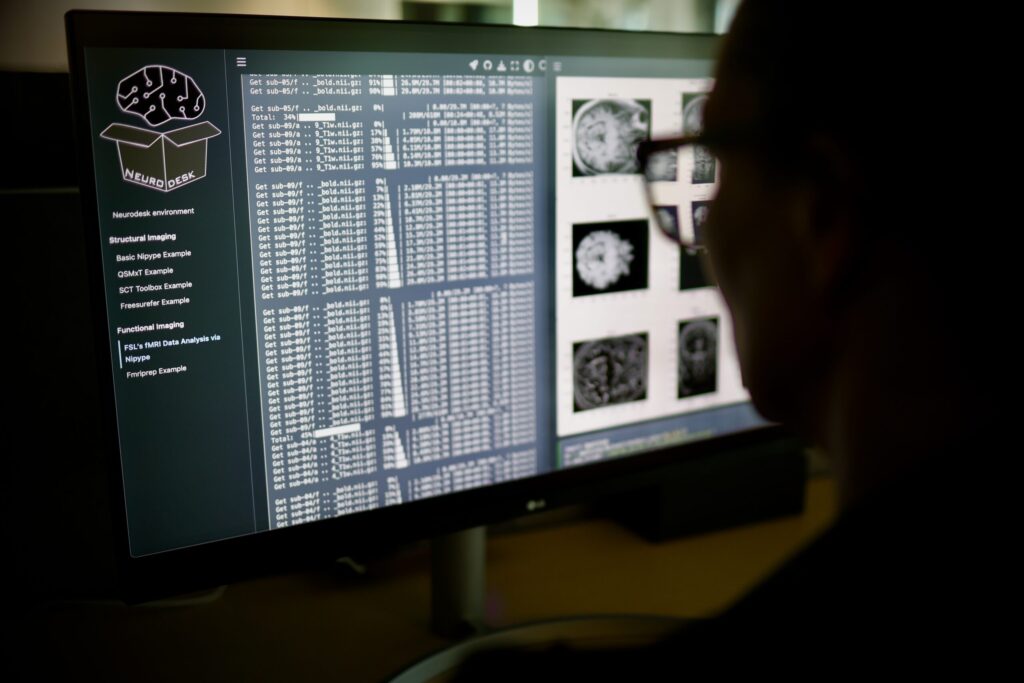
The flood of data from brain research worldwide has now been channelled into an easy-to-use, open-access processing tool built to supercharge our understanding of the human brain. Neurodesk – a platform for processing, analysing and sharing massive datasets – has solved critical issues in the search for answers about brain disorders and diseases such as epilepsy, […]
A true partnership to improve position, navigation and timing services in Australia
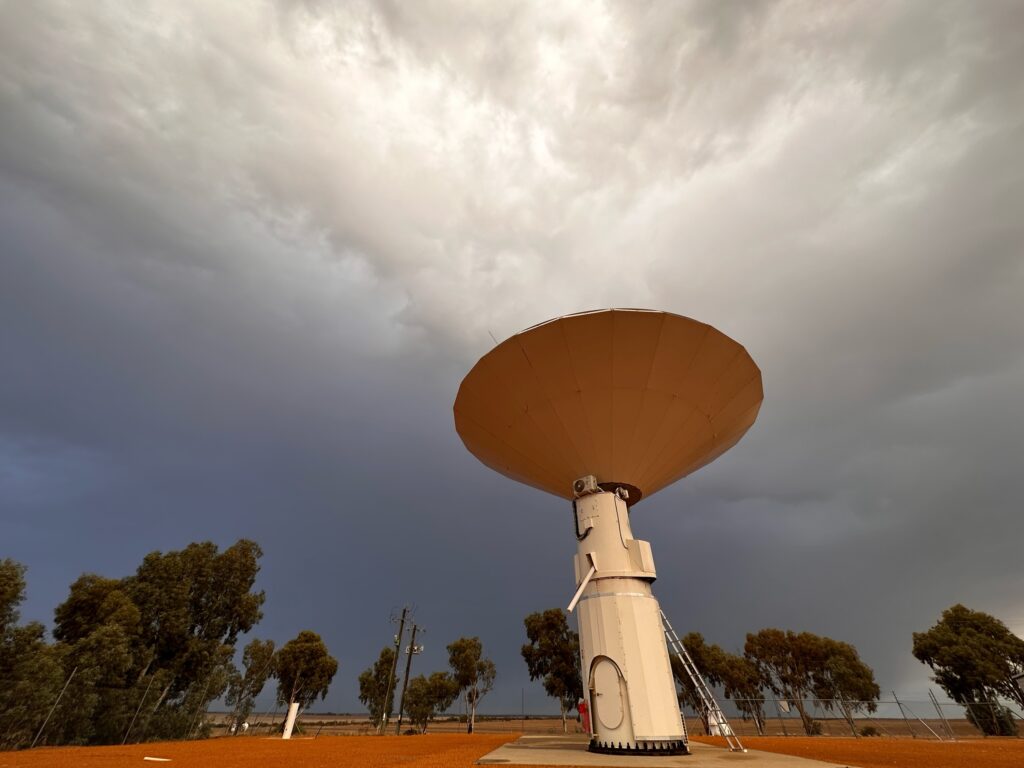
What do precision agriculture, weather predictions and synchronising financial transactions all have in common? They rely on geodesy, the science of measuring the Earth that enables all Positioning, Navigation and Timing (PNT) applications that are used in everyday life. This exact science underpins the global geospatial economy, which has a value of at least US$1 […]
Major upgrade to outback telescope a resounding success

Last year, a $1 million Australian Government grant enabled the Murchison Widefield Array (MWA) to undergo ‘brain surgery’ – its resulting processing capability is being hailed as a significant technological achievement and feat of software engineering. The project might seem simple in concept: replace the insides of the MWA telescope’s computing racks. Of course, this […]
ADACS gives astronomers a vital boost in their effort to make a gravitational map of the southern universe
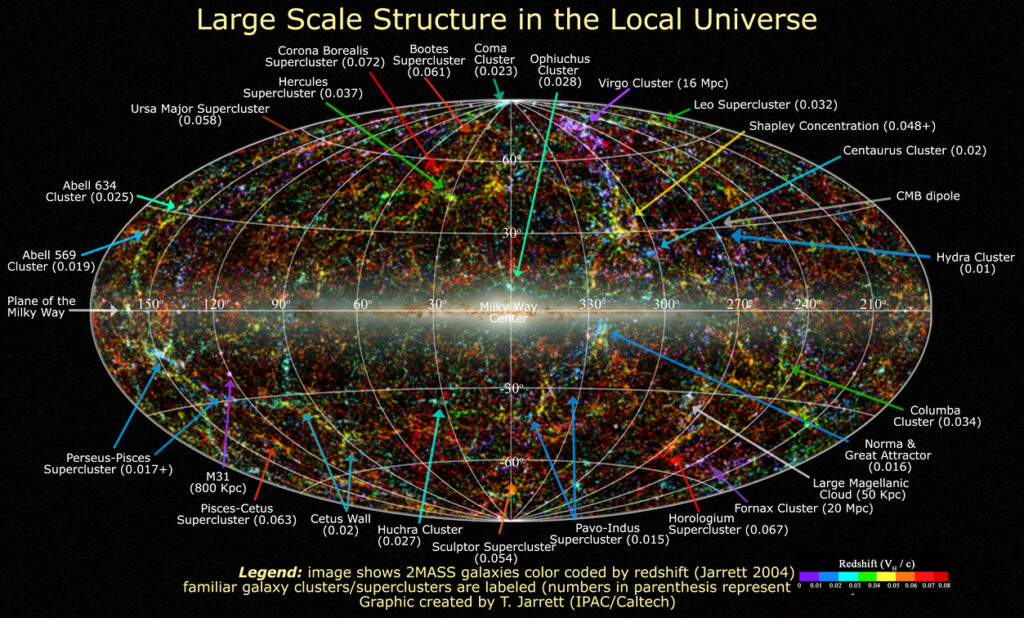
In the era of big data, Australian astronomers have a powerful strategic advantage to help them extract insights from the immense data volumes that characterise modern astronomy. Astronomy Data and Computing Services (ADACS) – delivered jointly by Swinburne University of Technology and Curtin University – was established by AAL in 2017 to remove the computational […]
Shared Vocabularies Create Oceans of Opportunities

Research vocabularies are helping researchers aggregate data from a wide range of sources and disciplines to find evidence-based solutions to big societal challenges such as climate change. In 2021, an analysis of sea temperature data collected from the Southern Ocean over 25 years revealed disturbing evidence that the potential for Antarctic ice-sheet melting has been […]
Making life easier – Prof Joe Shapter’s ORCID story
We recently chatted with Joe Shapter, the Pro-Vice-Chancellor (Research Infrastructure) at the University of Queensland (UQ), to learn more about how his ORCID ID has helped him when applying for grants. Joe shared with AAF how his ORCID record was first registered when he was at Flinders University and it continued to be populated when […]
Carpentries Partnership for Australia to Uplift Digital Research Skills

A new partnership between 10 Australian research institutions will train instructors in The Carpentries, a proven method for teaching digital research skills to researchers. We are pleased to announce a new partnership between 10 Australian research institutions to train instructors in The Carpentries digital research skills. The partnership will be announced today at the ARDC Digital […]
Launching DReSA: A Portal for Digital Research Training in Australasia

DReSA is a portal for discovering digital research training events, materials, providers and trainers in Australia, New Zealand, and the region. We are excited to announce the launch of Digital Research Skills Australasia (DReSA), a portal for discovering digital research training events, materials, providers and trainers in Australia, New Zealand, and the region. The portal launched […]
Imaging technique paves way for improved quantum devices

A University of Queensland team made up of physicists and engineers have found a way to identify and address imperfections in materials for one of the most promising technologies in commercial quantum computing. Challenge Superconducting quantum circuits are one of the most promising commercial quantum computing technologies, and are attracting significant interest from industry giants […]
AuScope earthquake hunters catch record-breaking quake
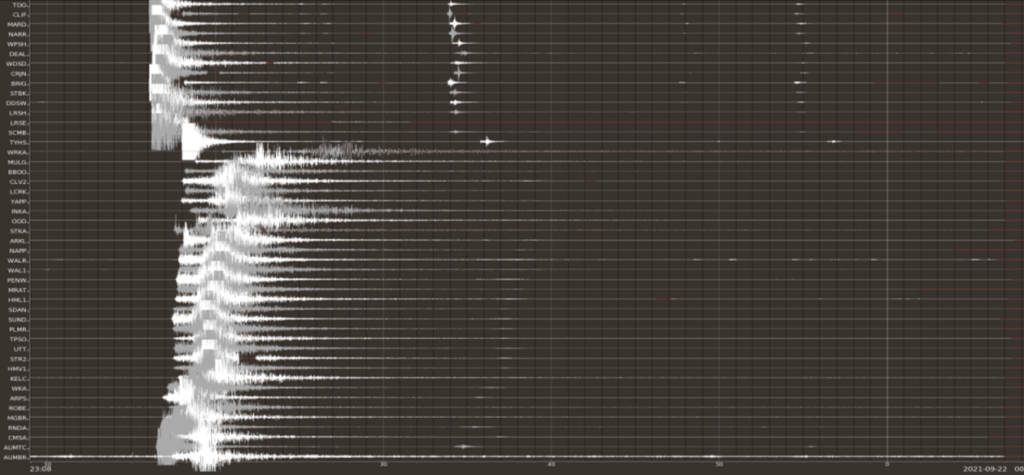
Hold onto your coffee cups and comfort the dog. This morning’s earthquake in southeastern Australia, which is perhaps the largest in the region in 200 years, thankfully has not yet caused any injuries. It has, however, provided AuScope geoscientists with the opportunity to put their earthquake hunter hats on and investigate this record-breaking moment. Here […]
From planets to pandemics: translating science in challenging times

After years of building NCRIS enabled software to address geodynamics problems, researcher and AuScoper from The University of Melbourne, Rohan Byrne, found an opportunity to turn his Everest code to help model COVID-19 mobility data during Melbourne’s 2020 and 2021 lockdown periods. Here, Rohan shares his story. JC — Rohan, please tell us what you […]
Mysterious Lithium-Producing Stars Analysed on Nectar

Dr Simon Campbell, ARC Future Fellow at Monash University, is unravelling the origin of the elements in the universe, one ARDC Nectar Research Cloud processor at a time. Here on Earth, Lithium is used in electric cars, giant solar-storage batteries, medicine, mobile phone batteries and heat resistant glass, but little is known about how the […]
How Australia’s national research infrastructure is responding to COVID-19
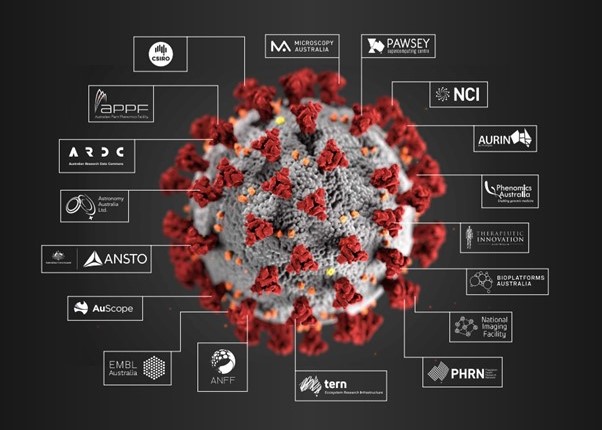
Australia’s National Research Infrastructure (NRI) swiftly redeployed to support national and international COVID-19 research. Some examples are listed below. Australian Centre for Disease Preparedness (ACDP), Bioplatforms Australia (BPA), Microscopy Australia and Therapautic Innovation Australia (TIA) were involved in the University of Queensland vaccine program. Australian Plant Phenomics Facility (APPF) is supporting research into plant-based vaccines. Astronomy Australia […]
Australian cities are quiet during lockdown. Earthquake scientists are making the most of it

Our responses to the COVID-19 pandemic have dramatically changed human activity all over the world. People are working from home, schools are closed in many places, travel is restricted, and in some cases only essential shops and businesses are open. Scientists see signs of these changes wherever they look. Carbon dioxide emissions are down, air […]
Global weather prediction: Australia’s contribution to the global Argo array
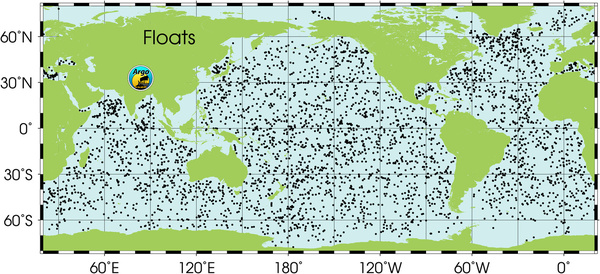
Australia’s Integrated Marine Observing System (IMOS) coordinates Australia’s contribution of approximately 10% of the global Argo array. Used internationally and by the Royal Australian Navy to predict ocean conditions, Argo data is critical to weather prediction globally. Argo data helps scientists understand large-scale ocean temperature and salinity structures, interactions between the ocean and atmosphere, and […]
Making mining models with magnetic minerals
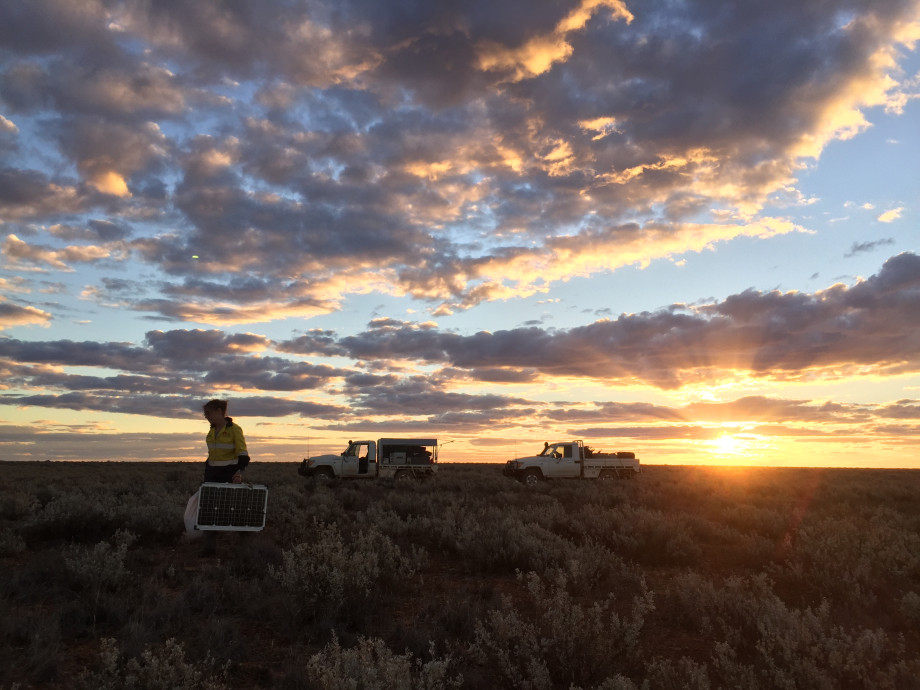
Australian Geophysicists are mapping the possible location of economic mineral deposits in South Australia and relying on the NCI to produce advanced 3D models of the subsurface. The great challenge of this work is that over 80% of the surface of the state is covered by younger sediment, such as vast fields of sand dunes, […]
Southern Ocean Time Series providing important data for ocean observations globally

Deployed and retrieved by the Marine National Facility (MNF) on behalf of Integrated Marine Observing System (IMOS), the Southern Ocean Time Series Observatory provides high temporal resolution observations in sub-Antarctic waters. Observations are broad and include measurements of physical, chemical and biogeochemical parameters from multiple deep water moorings in the sub-Antarctic Zone southwest of Tasmania. […]
Transistors from thin air
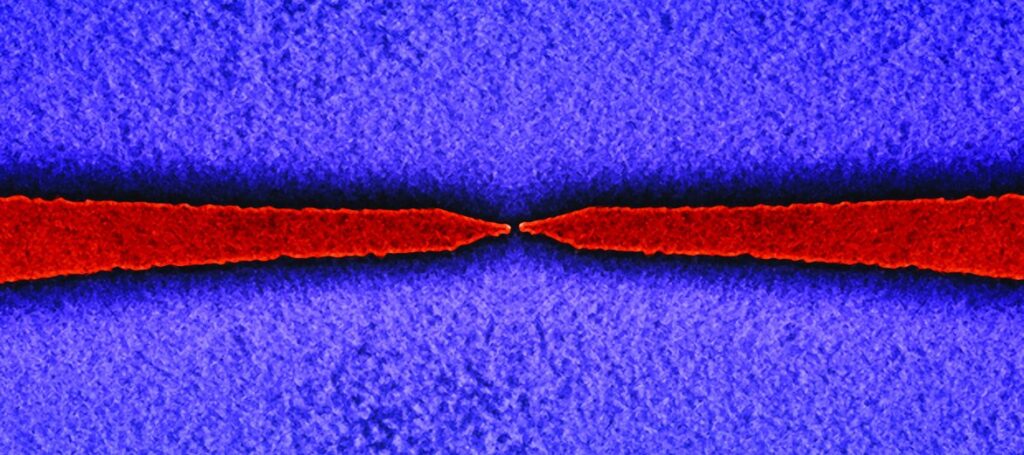
Next-generation transistors may revolutionise electronics The transistor is the building block for all electronics, and typically involves sending electrical currents through silicon. Every computer and phone has millions to billions of silicon electronic transistors, but this technology is reaching its physical limits where the silicon atoms get in the way of the current flow, limiting […]